






The Allure of the Premium Label
Walk down any modern grocery aisle or scroll through social media, and you’ll find them: beautifully packaged powders, exotic-sounding grains, and plant-based burgers that sizzle just like the real thing. These products come with premium price tags and promises
of superior health, vitality, and wellness. The term 'superfood' itself is not a scientific classification but a powerful marketing tool. It suggests that certain foods—often imported ones like acai, quinoa, or chia seeds—possess near-magical properties that everyday foods lack. This marketing can create nutritional anxiety, making people feel that a healthy diet is an expensive, exclusive club. It pressures consumers into believing that to be truly healthy, their pantry must be stocked with these trendy, often costly, specialty items.
Myth: A Healthy Diet Has a High Price Tag
The central myth is that you need to spend a lot of money to eat a nutritious, plant-forward diet. This misconception is fueled by the visibility of high-end vegan restaurants and premium branded products. While convenient, many pre-packaged vegan meals, cheeses, and meat substitutes can be expensive and may contain high levels of sodium and processed ingredients. This creates a false equivalence between 'plant-based' and 'expensive'. The reality is that overall dietary patterns matter more than any single ingredient. No single 'superfood' can compensate for an otherwise unbalanced diet, and focusing on them can distract from the foundational principles of good nutrition.
Reality: The Power of Everyday Staples
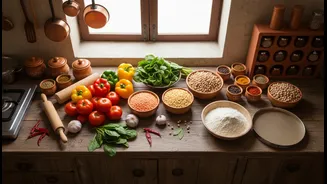
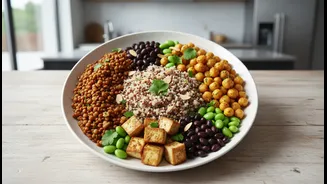
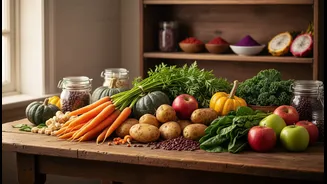
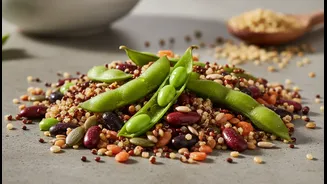
The truth is that a powerful, nutrient-dense, and affordable plant-based diet is likely already in your kitchen. Everyday staples common in Indian households are nutritional powerhouses. Lentils (dals), chickpeas (chana), beans (rajma), and millets (bajra, ragi) are packed with protein, fibre, and essential minerals like iron and magnesium. These foods are not only incredibly affordable but also form the bedrock of a healthy diet, helping to manage blood sugar, lower cholesterol, and promote gut health. Similarly, local and seasonal vegetables—like spinach, gourds, and sweet potatoes—are just as rich in vitamins and antioxidants as their expensive, imported counterparts like kale or avocados. The key isn't to chase exotic labels but to embrace the variety and nutritional wealth of accessible, local produce.
When Are Premium Products Worth a Look?
This isn't to say all premium or processed plant-based products are without merit. They can offer convenience and help bridge dietary gaps in specific situations. For someone transitioning away from meat, a good-quality plant-based burger might make the process easier and more enjoyable. Fortified plant milks, like those made from soy or oats, can be excellent sources of calcium and Vitamin D for those who avoid dairy. Specialised plant-protein powders might be a convenient option for athletes with high protein needs. The key is to see these items as optional conveniences rather than nutritional necessities. When choosing them, it's wise to read the ingredient list to avoid products with excessive salt, sugar, and ultra-processed components.
Build a Better Plate on a Budget
Eating a healthy plant-based diet affordably is entirely achievable with a few smart strategies. Prioritise whole foods over highly processed alternatives. Build your meals around a base of inexpensive starches like whole grains and starchy vegetables. Buying staples like lentils, beans, and rice in bulk can significantly lower costs. Shopping for seasonal fruits and vegetables ensures you get the freshest produce at the lowest price. Don't shy away from frozen produce, which is often cheaper than fresh, preserves nutrients well, and reduces food waste. Cooking at home is almost always more economical than buying pre-packaged meals. By focusing on these fundamentals, you can create delicious, satisfying, and nutritionally complete meals without straining your wallet.