







What is a Temperature Overshoot?
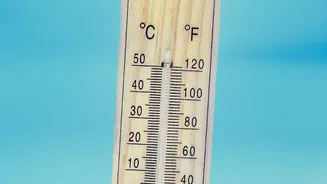
A temperature overshoot is a scenario where Earth's average temperature temporarily rises above a climate target, like 1.5°C, before hopefully being brought back down. Think of it like briefly driving above the speed limit before slowing down again. For
decades, some climate models have shown this as a possible, even likely, pathway, with nearly 90% of scenarios that eventually stabilise at 1.5°C involving a period of overshoot first. This would happen if we fail to cut emissions fast enough now and have to rely on future technologies to remove large amounts of carbon dioxide from the atmosphere to cool the planet back down. The key variables are the duration (how long we stay above the target) and the magnitude (how high the temperature peaks).
Permanent Scars From a Temporary Problem
The core of the recent concern is that an overshoot is not a consequence-free detour. Even a temporary period of higher temperatures can trigger irreversible or long-lasting changes in critical Earth systems. Some systems don't just bounce back once temperatures cool. The risk of crossing climate 'tipping points'—thresholds beyond which changes become self-sustaining and unstoppable—increases significantly. Examples include the collapse of ice sheets, which contributes to long-term sea level rise, the die-off of ecosystems like coral reefs, and the thawing of permafrost, which releases even more greenhouse gases. A world that overshoots 1.5°C and comes back down will look very different from a world that never crossed the line at all.
Worse Heat and Erratic Rains
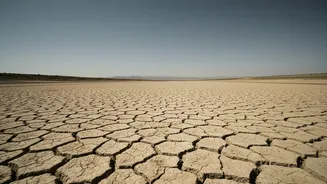
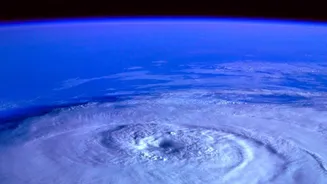
For regions like India, the most immediate impacts are on weather. Increased global temperatures, even temporarily, intensify the planet's water cycle. This leads to more energy in the climate system, supercharging weather events. Research shows that every increment of warming increases the frequency and severity of extremes like heatwaves, droughts, and floods. An overshoot scenario that peaks near 2°C could increase the frequency of major heatwaves from 29% to 44% compared to a non-overshoot path. At the same time, rainfall becomes more intense and variable. This creates a dangerous double-bind: longer periods of drought punctuated by destructive, extreme rainfall events that cause flooding. These are not distant threats; they are an amplification of the very weather patterns currently causing widespread disruption across the subcontinent.
India's Unique Vulnerability
The Indian subcontinent is uniquely vulnerable to the impacts of a temperature overshoot. The stability of the Indian summer monsoon, which underpins the region's agriculture and water security for over a billion people, is a primary concern. Some studies suggest an overshoot could reduce long-term precipitation in the monsoon region, though more research is needed to confirm the risk. Simultaneously, the accelerated melting of Himalayan glaciers during a high-temperature period would threaten water flows into major rivers. For a country already dealing with some of the world's most hazardous heat, an overshoot would make deadly heatwaves more common and intense. This poses a direct threat to public health, agricultural output, and economic stability, with low-income communities being disproportionately affected.
The Only Safe Path is Avoidance
The clear message from this research is that treating a temperature overshoot as a manageable policy option is incredibly risky. Relying on future, large-scale carbon dioxide removal technologies to reverse warming comes with massive uncertainties about feasibility and effectiveness. The potential for irreversible damage to regional climates, particularly in vulnerable areas like South Asia, is high. Therefore, the findings reinforce the urgent need for deep, rapid, and sustained cuts in greenhouse gas emissions now. Keeping the peak warming as low as possible is critical. Avoiding an overshoot altogether is the only guaranteed way to prevent locking in more dangerous and unpredictable regional extremes.