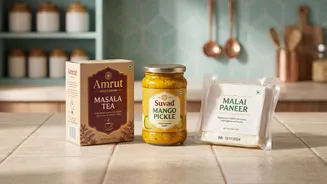








Inspect the Packaging and Seal First
Before you even look for a date, examine the product's container. A pristine date on a damaged packet is a major red flag. Look for any signs of tampering like broken seals, punctures, cuts, or tears in soft packaging. For jars and bottles, check that
safety seals are intact and the button on the lid is down. Swollen, leaking, or badly dented cans should always be avoided, as this can indicate bacterial growth. An intact seal is your first line of defence, as tampering often involves opening the package to replace products, which can compromise the seal. If the packaging looks old, dirty, or compromised in any way, there's little reason to trust the date printed on it.
Scrutinise the Date Print Quality
Fraudsters often use chemicals or thinners to erase original dates and then reprint new ones using handheld machines. This process can leave behind tell-tale signs. Look closely at the area where the date is printed. Is the ink smudged, uneven, or misaligned compared to other text on the package? Manipulated dates may rub off easily or leave residue if you gently rub them. Another common tactic is to place a sticker with a new date directly over the original one. Always be suspicious of such stickers. Try to see if the old date is visible underneath or if the font and print style on the sticker differs from the rest of the manufacturer's information on the pack. A date that looks noticeably newer or different from the surrounding text deserves extra scrutiny.
Understand Different Date Markings
The terms 'Best Before' and 'Expiry Date' are not interchangeable, and knowing the difference is key. According to the Food Safety and Standards Authority of India (FSSAI), an 'Expiry' or 'Use-By' date is a safety deadline; food should not be consumed after this date. A 'Best Before' date, however, relates to quality. The food may still be safe to eat after this date, but its taste, texture, or nutritional value might have diminished. Unscrupulous sellers might try to pass off products that are past their 'Best Before' date. FSSAI mandates that packaged foods must carry date information, including the date of manufacture and an expiry or 'use by' date. Being aware of these definitions helps you make an informed choice and understand the risk associated with a product's timeline.
Trust Your Senses Over the Label
Ultimately, the printed date is just one piece of information. The product itself is the most reliable indicator of freshness. Even if the date looks fine, you should never consume food that seems 'off'. Once you open a package, trust your senses. Check for any unusual odours, discolouration, or changes in texture. Milk or curd that smells sour, bread with mouldy spots, or chips that have gone soft are all signs of spoilage, regardless of what the expiry date claims. Sometimes, products can spoil before their expiry date due to improper storage or damaged packaging. If it looks, smells, or feels wrong, it's better to be safe and discard it.
Consider the Price and the Seller
Extremely low prices or deals that seem too good to be true can sometimes be a red flag. Unscrupulous vendors may acquire near-expiry or expired products at a heavy discount, tamper with the labels, and then sell them at regular market prices to unsuspecting customers. Always try to purchase groceries from reputable and trusted vendors, whether online or offline. Be cautious of unfamiliar sellers offering branded goods at unbelievably low rates. While a good bargain is always welcome, it should not come at the cost of your health. When in doubt, it's safer to stick to established retailers who are more likely to have stringent quality control and supply chain checks in place.