





The Rise of the Culinary Traveller
While India's monuments and landscapes have always drawn visitors, a new kind of tourism is rapidly gaining momentum. Known as culinary or gastronomy tourism, it centres on exploring a destination through its food. This is not just about dining out; it is an immersive
dive into culture through taste. Market reports indicate significant growth, with some projecting the Indian culinary tourism market to grow at a compound annual growth rate of over 12% between 2026 and 2034. This surge is driven by travellers who seek authentic connections and move beyond passive sightseeing. They want to participate, learn, and engage, and food offers the perfect medium. For this new wave of explorers, the real monuments are the recipes, the heritage is in the flavours, and the most memorable guides are the local cooks and vendors.
The Unforgettable Allure of Street Food
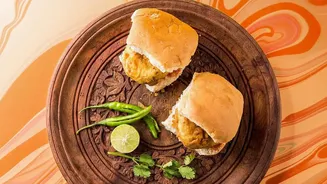
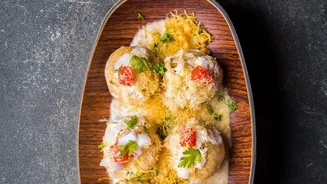
The first and most democratic entry point into India's food scene is its street food. It is a dazzling, chaotic, and utterly delicious universe of its own. From the spicy pani puri that explodes with flavour in your mouth to Mumbai's iconic vada pav and the intricate chaats of Old Delhi, street food is a cultural experience. These food trails and walking tours have become a cornerstone of culinary tourism. They offer more than just a quick meal; they provide a direct link to the daily life of a city. Eating shoulder-to-shoulder with locals, watching vendors prepare dishes with lightning-fast precision, and tasting flavours honed over generations is an experience that no fine-dining restaurant can replicate. This is where you taste the real, unfiltered pulse of India.
Hands-On Heritage in the Kitchen
For those looking to go deeper, cooking classes offer a chance to get behind the curtain of Indian cuisine. The popularity of these classes has soared as travellers increasingly seek hands-on, educational experiences. In a Goan homestay, one might learn the secrets of a fiery fish recheado, a legacy of Portuguese influence. In Rajasthan, a class could reveal the art of making the perfect dal baati churma, a dish intrinsically linked to the desert landscape. These sessions are about more than just following a recipe. They are intimate lessons in history, family tradition, and the science of spices. Instructors often share stories passed down through generations, transforming a simple cooking lesson into a rich cultural exchange. Participants leave not just with new skills, but with a piece of India's living heritage they can recreate in their own kitchens.
The Sensory Feast of Local Markets
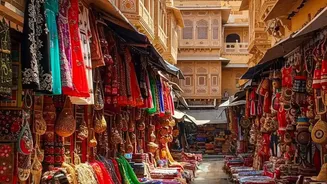
No culinary journey is complete without a visit to the source: the local market. These bustling bazaars are a sensory overload in the best possible way—a riot of colour, sound, and fragrance. A walk through Delhi's Khari Baoli, Asia's largest wholesale spice market, is an unforgettable immersion into the world of aromas that define Indian cooking. Exploring Jaipur's Johari Bazaar or Mumbai's Crawford Market offers a glimpse into the ingredients, produce, and daily commerce that fuel the region's kitchens. For tourists, guided market tours provide essential context. They transform anonymous sacks of spices and piles of vegetables into the building blocks of the delicious meals they have been enjoying, connecting the farm to the plate and deepening their appreciation for the entire food ecosystem.