


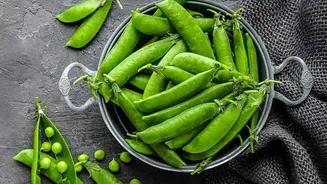

An Introduction to a 'Complete Food'
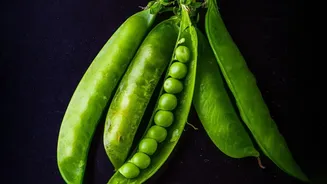
Known scientifically as Vigna subterranea, the Bambara groundnut is native to sub-Saharan Africa. Despite its name, it's not a nut at all but a legume, belonging to the same family as peas and lentils. It grows its pods underground, much like a peanut.
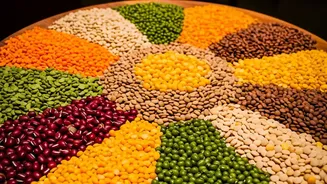
Historically a staple crop, it has been sidelined over the last century in favour of more commercially popular, but often less resilient, crops like maize and rice. Yet, what makes the Bambara groundnut so special is its remarkable nutritional profile. It's often referred to as a 'complete food' because it contains a balanced mix of protein, carbohydrates, and fat, making it an incredibly efficient source of nutrition.
A Nutritional Powerhouse
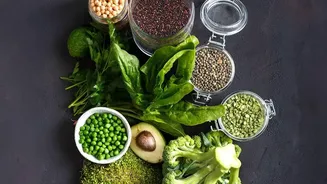
For anyone focused on a plant-based diet, protein is always a key consideration. The Bambara groundnut delivers, with a protein content that can reach up to 25%, complete with all the essential amino acids our bodies need. It is particularly rich in lysine, an amino acid often limited in cereal-based diets, making it an excellent complement to grains like rice or millet. Beyond protein, it is packed with complex carbohydrates for sustained energy, fibre for digestive health, and beneficial unsaturated fats. It’s also a rich source of essential minerals like iron, potassium, magnesium, and zinc, nutrients that are vital for overall health.
The Climate-Smart Crop
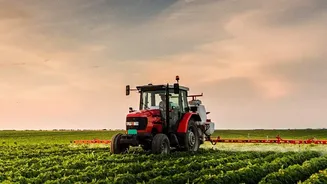
Perhaps the most compelling argument for the Bambara groundnut's revival is its incredible resilience. It is what agricultural experts call a 'climate-smart' crop. It's famously drought-tolerant, capable of producing a reliable yield even on poor, marginal soils and with minimal rainfall where other crops might fail. As a legume, it has the natural ability to fix nitrogen in the soil, which reduces the need for synthetic fertilisers and actually improves soil fertility for future crops. In an era of climate change and growing concerns about water scarcity and soil degradation, the Bambara groundnut presents a sustainable and intelligent path forward for agriculture.
What Does It Taste Like?
Of course, nutrition and sustainability are only part of the story; it also has to taste good. The Bambara groundnut has a firm texture and a rich, nutty flavour that is both unique and versatile. Traditionally, the beans are enjoyed boiled or roasted as a simple, satisfying snack. However, their potential goes far beyond that. The beans can be ground into a nutrient-dense, gluten-free flour perfect for making porridges, flatbreads, and baked goods. They can also be used to create a plant-based milk, similar to soy or almond milk. In stews and soups, they add substance and a savoury depth of flavour. The key to unlocking their potential often involves soaking the dried beans overnight to reduce cooking time, which can otherwise be lengthy.
From Forgotten to Future Food
While the Bambara groundnut has been a staple for subsistence farmers for generations, particularly women who have been its main cultivators, it remains largely unknown to the wider world. However, that is beginning to change. Researchers, chefs, and food innovators are starting to recognise its vast potential. The primary challenges to its widespread adoption include long cooking times and a lack of formalised supply chains. But as interest grows and breeding programmes work to develop varieties with improved traits, the Bambara groundnut is poised for a global debut. It offers a solution that benefits both the planet and our plates.