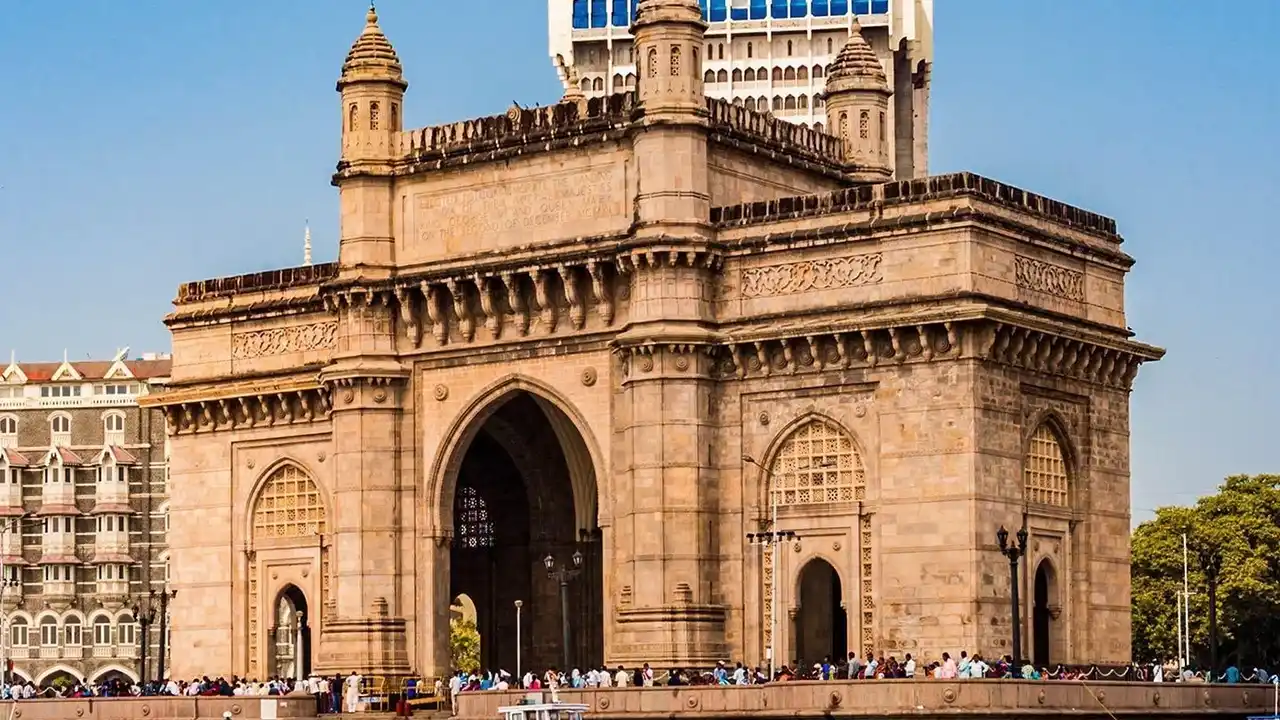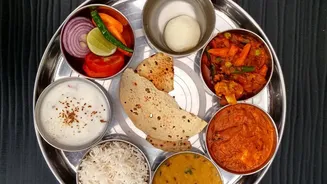







Goodbye, One-Size-Fits-All
The era of the pre-packaged tour is facing a serious challenge. Recent trends show that Indian travellers are moving decisively away from rigid, one-size-fits-all holiday packages. Instead of being handed a schedule, they are building their own from scratch,
driven by a desire for flexibility and control. This shift is particularly pronounced among younger, digitally-savvy generations. Reports from 2025 indicated that millennials and Gen Z accounted for nine out of ten international trips from India, bringing with them a new set of expectations. They are not just consumers of travel; they are its architects, using a vast array of online tools to design journeys that reflect their personal interests, not a generic template.
So, What Is 'Intentional Travel'?
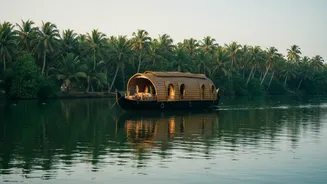
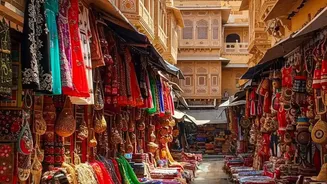
This movement goes deeper than just DIY booking. It's about 'intentional travel'—a term that signifies a more mindful and purpose-driven approach to exploring the world. Intentional travel frames a journey around a specific goal or feeling, rather than a list of destinations to be ticked off. It's the difference between simply seeing a place and seeking to experience something through it. For one person, that might mean a wellness retreat in Kerala; for another, it could be learning a local craft in Rajasthan or embarking on a spiritual journey to a temple town. The destination becomes a backdrop for a personal quest, whether for relaxation, cultural immersion, adventure, or self-discovery.
The Digital Toolkit Empowering Travellers
This shift would be impossible without technology. The internet has democratised travel planning, putting the power of a travel agency into everyone's pocket. From AI-powered assistants that suggest personalised itineraries to booking platforms for flights, boutique homestays, and unique local activities, digital tools have made creating complex, multi-stop trips easier than ever. Social media platforms like Instagram and YouTube serve as major sources of inspiration, while reviews and travel blogs provide the peer-to-peer validation that travellers now trust. This digital confidence has fuelled a surge in independent travel, with one 2026 forecast showing that self-planners already account for over half of India's outbound tourism market.
A New Generation of Explorers
Driving this change is a generation that values experiences over possessions. For many Gen Z and millennial travellers, the way they travel is a reflection of their identity. Data shows a preference for multiple short, spontaneous trips over one long annual holiday. Solo travel is also booming, with one report noting a staggering 9x year-on-year increase in solo trips booked by women, a clear sign of growing independence. These travellers are motivated by a desire for personal growth, meaningful connections, and adventure. This mindset is fundamentally reshaping the market, pushing it toward more authentic, flexible, and personalised offerings.
Beyond the Tourist Trail
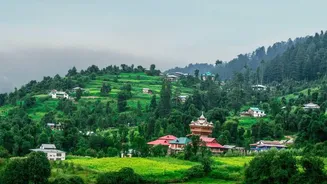
The result of this highly personalised approach is a move away from overcrowded hotspots and toward more unique, offbeat destinations. Self-planners are more likely to seek out hidden gems, immerse themselves in local life, and travel at a slower pace. Some are even embracing 'anti-itinerary' travel, where the plan is to have no plan at all, allowing for spontaneity and serendipitous discoveries. This not only leads to a more restful and authentic holiday but also distributes tourist spending to smaller communities. As travellers seek deeper cultural connections, they are exploring everything from remote mountain villages to heritage sites, contributing to a more sustainable and conscious form of tourism.