




The High Cost of Delay
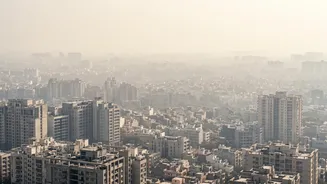
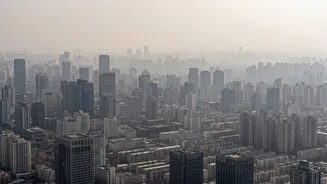
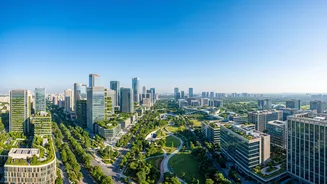
A recent report from the UN Environment Programme (UNEP) and the Climate and Clean Air Coalition (CCAC) delivers a clear and urgent message for Delhi. If the capital successfully meets its national air quality standards on schedule from 2026, it could
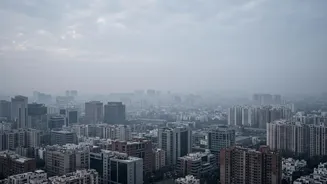
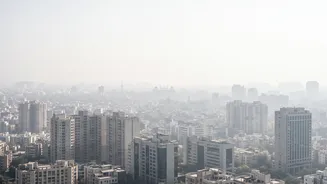
reduce the public's exposure to harmful PM2.5 particulate matter by 20 percent by 2040. However, the report, titled 'Hidden Assets: The Economic and Health Case for Climate and Clean Air Action', warns that a delay of about eight years—which is the expected global average for such measures—would slash that benefit in half. A delayed implementation would mean only a 10 percent reduction in PM2.5 exposure, leading to significantly worse health impacts for millions of residents.
A Global Problem with Local Consequences
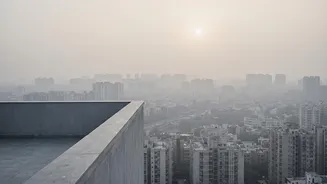
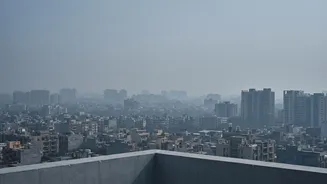
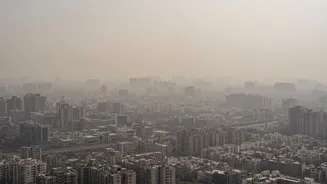
The report frames air pollution as a crisis intertwined with climate change, noting that human-caused outdoor air pollution was linked to an estimated 6.4 million premature deaths worldwide in 2025. For Delhi, the sources are a familiar mix of vehicular emissions, industrial output, dust, and the burning of waste and agricultural residue. The UN report highlights that institutional barriers, such as fragmented decision-making and weak enforcement, are the biggest contributors to delays in taking action, accounting for years of lost progress. This inaction has a massive economic cost, with each year of delay forfeiting more than USD 1.5 trillion in global benefits from improved health and productivity.
The Severe Health Impacts
The human cost of Delhi's polluted air is staggering. Fine particulate matter like PM2.5 penetrates deep into the lungs and enters the bloodstream, causing severe respiratory and cardiovascular diseases. Studies have consistently linked Delhi's air quality to increased emergency room visits for asthma, chronic obstructive airway disease, and acute coronary events. Research also highlights that while the overall mortality impact might seem smaller than in some Western countries, deaths associated with air pollution in Delhi tend to occur at a much younger age, resulting in a greater loss of potential life years. The pollution disproportionately affects the most vulnerable, including children, the elderly, and outdoor workers.
A 25-Point Plan for Cleaner Air
The UN report is not just a warning; it's a roadmap. It identifies 25 feasible solutions that tackle both air pollution and climate change simultaneously. These measures include accelerating the transition to renewable energy, improving energy efficiency, and promoting the wider use of clean cooking and heating solutions. For a city like Delhi, key recommendations focus on enforcing stricter vehicle emission standards, expanding electric public transport, phasing out old diesel vehicles, and better management of agricultural, construction, and municipal waste. The report stresses that these actions are not just an environmental necessity but a massive economic opportunity, with every dollar invested yielding roughly fifteen dollars in economic benefits through better health and productivity.