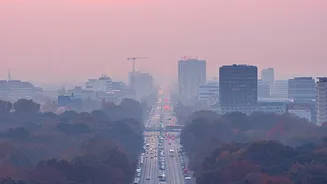






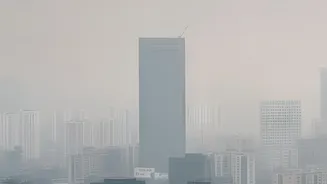


As November unfolds, a familiar and unwelcome haze settles over Delhi, pushing air quality to hazardous levels. This annual public health crisis demands attention. Here is a practical guide to protect yourself and your family from the toxic air.
Understanding the November Smog
Delhi's
winter air pollution is a complex problem with multiple causes. In November, the situation becomes particularly acute. The season coincides with post-harvest stubble burning in neighbouring states, which sends vast plumes of smoke into the region. This is compounded by emissions from vehicles, industry, and construction dust. Meteorological conditions play a crucial role; lower temperatures and calmer winds trap these pollutants close to the ground, creating the dense, toxic smog that blankets the city and sends the Air Quality Index (AQI) soaring into the 'Very Poor' and 'Severe' categories.
Decode the Air Quality Index (AQI)
The AQI is your most important tool for understanding the daily risk. It's a colour-coded scale from 0 to 500+ that measures major pollutants like PM2.5—tiny, harmful particles that can enter your lungs and bloodstream. Here's a simple breakdown: 'Poor' (201-300) can cause breathing discomfort. 'Very Poor' (301-400) leads to respiratory illness on prolonged exposure. 'Severe' (401-500) affects healthy people and seriously impacts those with existing conditions, while 'Severe+' (above 450) represents emergency conditions. As of early November 2026, Delhi's AQI has frequently been in the 'Very Poor' range, with authorities implementing Stage III of the Graded Response Action Plan (GRAP) as a precaution.
Turn Your Home Into a Clean Air Zone
Since you will be spending more time indoors, optimising your home's air is critical. Keep windows and doors firmly closed during peak pollution hours, which are typically early morning and late evening. Use a damp cloth or wet mop for cleaning instead of sweeping, as this prevents settled dust from becoming airborne again. Avoid burning anything indoors, including incense sticks, candles, and mosquito coils, as they add to the indoor pollutant load. If possible, invest in a high-quality air purifier with a HEPA filter, placing it in the room where your family spends the most time, especially bedrooms. Ensure the purifier is correctly sized for the room for it to be effective.
Precautions for Unavoidable Outdoor Trips
If you must go outside, timing is everything. Try to schedule errands for the afternoon, when pollution levels are often slightly lower. Always wear a wellfitted N95 or FFP2 mask; simple cloth or surgical masks do not provide adequate protection against PM2.5 particles. The mask should sit snugly over your nose and mouth with no gaps. It is strongly advised to avoid all strenuous outdoor activities like running, jogging, or cycling when the AQI is high. These activities increase your breathing rate, causing you to inhale a larger volume of polluted air. Consider shifting your workout routine indoors.
Protecting Delhi's Most Vulnerable
Certain groups are at a much higher risk from air pollution. This includes children, whose lungs are still developing; the elderly; pregnant women; and individuals with preëxisting heart or lung conditions like asthma or COPD. For these vulnerable individuals, it is crucial to minimise outdoor exposure as much as possible when the AQI is in the 'Very Poor' or 'Severe' categories. Ensure they stay indoors in a room with an air purifier if available. Keep all prescribed medications, such as inhalers, readily accessible. Pay close attention to symptoms like coughing, shortness of breath, or chest tightness, and consult a doctor if they worsen.
Support Your Body's Defences
While not a substitute for avoiding exposure, certain lifestyle habits can help support your body's ability to cope with environmental stress. Stay wellhydrated throughout the day by drinking plenty of water. Some experts suggest that incorporating antioxidantrich foods into your diet may help combat inflammation caused by pollutants. Focus on a diet rich in fruits and vegetables, particularly those high in Vitamin C. Steam inhalation can also provide temporary relief from nasal and throat irritation.