




A Fragile Breakthrough
In a significant move towards restoring normalcy, a renewed and revised Suspension of Operations (SoO) agreement was signed in early August 2026. This tripartite pact between the Ministry of Home Affairs, the Manipur state government, and major Kuki-Zo
insurgent groups lays the groundwork for political dialogue within the framework of the Indian Constitution. A key part of the deal involves shifting seven designated militant camps away from conflict-prone areas and consolidating others, which house an estimated 2,200 armed cadres. In parallel, the state government announced the immediate reopening of critical national highways that had been blockaded for years, a move aimed at reconnecting communities and restoring the flow of essential goods. These developments mark the most substantial progress in months, signalling a potential turning point in a long-standing crisis.
The Long Road from May 2023
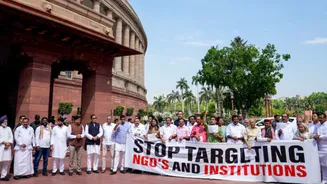
This return plan is the culmination of a painful chapter that began with the outbreak of severe ethnic violence in May 2023 between the majority Meitei community and the Kuki-Zo tribes. The conflict resulted in hundreds of deaths and the displacement of over 50,000 people from both communities, many of whom have been living in precarious relief camps ever since. In the aftermath, a complete physical and political separation emerged between the communities. Many Kuki-Zo political leaders and representatives found themselves operating from New Delhi, using the national capital as a base for advocacy and to seek intervention from the central government. This period of operating from outside the state's power structure has been described as a form of political exile, where they lobbied for their community's safety and political rights while being unable to return to their constituencies.
The Architecture of Return
The framework for repatriation is multi-pronged. Financially, the Manipur government has allocated significant funds, including a Rs 734 crore package in its 2026-27 budget for the rehabilitation of internally displaced persons (IDPs). These funds are intended for housing, livelihood support, and the reconstruction of damaged homes. Manipur's Chief Minister, Yumnam Khemchand Singh, has repeatedly assured IDPs of a safe return, promising adequate security arrangements to facilitate their resettlement. The first direct talks between the state government and the Kuki-Zo Council in March 2026, held in a neutral location, were a crucial icebreaker, even as deep mistrust persisted. The new SoO agreement builds on this by committing armed groups to a political process, a prerequisite for any lasting peace and safe return of civilians.
The Unresolved Question of Trust
Despite the logistical planning, the most significant obstacle remains political. The violence and the perceived complicity of the state machinery led Kuki-Zo organisations, most prominently the Indigenous Tribal Leaders' Forum (ITLF), to demand a 'Separate Administration'. This call for a Union Territory with its own legislature, carved out of Kuki-dominated hill districts, stems from a profound belief that their community can no longer be safe under the current state government. While the new SoO agreement brings insurgent groups to the table for dialogue within India's constitutional framework, it does not explicitly resolve this core political demand. The deep-seated fear and mistrust that fueled the conflict have not vanished. For many, a return without political safeguards feels untenable, making the success of any physical rehabilitation plan contingent on addressing this fundamental political question.