





The era of long, arduous road trips from Delhi to key destinations in Rajasthan and Gujarat is rapidly becoming a memory. A new artery of asphalt and ambition is rewriting the map, making weekend getaways and business travel easier than ever.
A Game-Changer for Regional Travel
The Delhi-Mumbai
Expressway, one of India's most ambitious infrastructure projects, is more than just a direct route between the nation's political and financial capitals. As sections of this 1,386-kilometre marvel open, it's transforming regional connectivity, breathing new life into tourism, and unlocking economic potential along its path. For residents of the National Capital Region and beyond, this access-controlled, eight-lane highway is shrinking distances and expanding possibilities for travel to some of India's most cherished destinations. The promise is simple: less time on the road, and more time for exploration.
Jaipur: The Pink City Is Now a Quick Drive Away
The most immediate and celebrated benefit for Delhiites is the dramatically shortened journey to Jaipur. What was once a grueling five to six-hour drive, often plagued by traffic on NH-48, has been slashed. Thanks to the operational Sohna-Dausa stretch and the crucial Bandikui-Jaipur spur, the travel time between Delhi and Jaipur has been reduced to approximately three hours. This dedicated link allows travellers to bypass congested local roads, providing a seamless, high-speed corridor directly to the outskirts of the Pink City. This transforms a full-day excursion into a comfortable half-day trip, making Jaipur an even more appealing destination for weekend escapes.
Wildlife Weekends: Sariska and Ranthambore Beckon
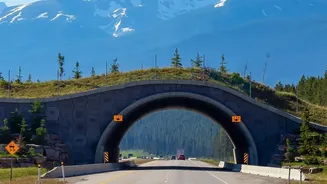
The expressway is a massive boon for wildlife enthusiasts. Both Sariska and Ranthambore National Parks, famous for their tiger populations, are now significantly more accessible. To reach Sariska, travellers can take the expressway and exit near Rajgarh, cutting down the journey to around three hours. This makes a quick safari weekend not just possible, but practical. Similarly, the route to Ranthambore has been streamlined. By taking the expressway to the Dausa or Lalsot exit, drivers can reach Sawai Madhopur in approximately 5.5 to 6.5 hours, a considerable improvement over previous routes. The project has also incorporated pioneering wildlife-friendly features, including dedicated animal overpasses and underpasses near Ranthambore's buffer zone, ensuring that progress doesn't come at the cost of conservation.
The Ahmedabad Connection: Bridging North and West
Beyond Rajasthan, the expressway is forging a faster link to the commercial and cultural hub of Ahmedabad. The old route often took 18-20 hours or more, navigating a mix of highways and city traffic. While the entire Delhi-Mumbai corridor is not yet fully complete, the operational sections through Rajasthan and Gujarat are already trimming hours off the journey. Once fully open, the Delhi-Vadodara leg is expected to take around 8-10 hours, drastically reducing the overall time to Ahmedabad. This improved connectivity will not only benefit tourism but also provide a massive boost to trade and logistics, strengthening the economic ties between North and West India.
More Than Just Speed
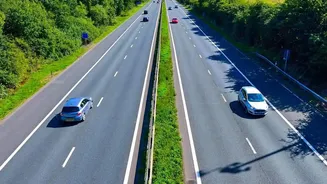
The benefits of the expressway extend beyond just reduced travel times. Designed for speeds up to 120 km/h, the road promises a safer, smoother, and more comfortable journey. It features modern wayside amenities, including restaurants, fuel stations, and rest areas, planned at regular intervals. The access-controlled nature of the highway minimises disruptions and enhances safety. For the regions it connects, the expressway is an economic lifeline, expected to boost local economies by increasing tourist footfall and enabling faster movement of goods. It's not just a road; it's an integrated corridor designed for the future of Indian travel.