

What is Greatest Evening Elongation?
In simple terms, an elongation is the angular separation between the Sun and a planet as seen from Earth. For planets that orbit closer to the Sun than we do, like Venus and Mercury, this angle has a maximum limit. Greatest evening elongation, which for
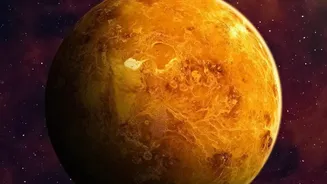
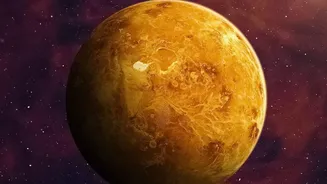
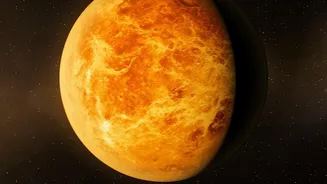
Venus occurs on August 15, 2026, is the point where the planet appears farthest to the east of the Sun in our sky. This makes it visible for a longer period after sunset, lingering in the twilight as a dazzling ‘Evening Star’ instead of being quickly swallowed by the Sun's glare. Think of it as Venus stepping out from behind the Sun's curtain for its widest bow before heading back the other way. This entire cycle, from one evening elongation to the next, takes about 584 days.
A Dazzling Sight in the Twilight
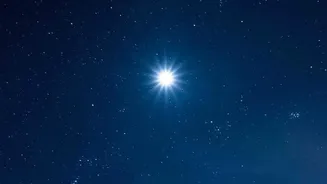
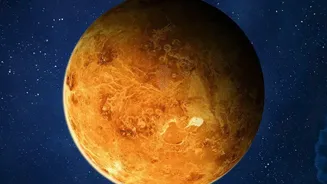
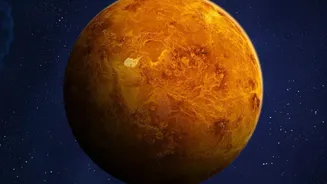
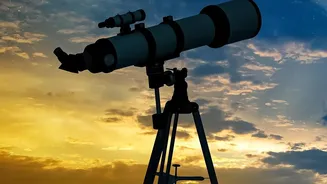
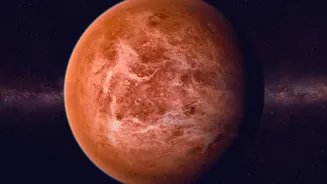
Venus is the brightest planet in our sky and the third-brightest object after the Sun and Moon. During its August elongation, it will shine at a brilliant magnitude of around -4.4, making it impossible to miss if you know where to look. Its brightness is so intense that it can be seen even before the sky becomes completely dark. This event is the perfect chance for amateur skywatchers because you don’t need any special equipment. While a telescope or even a good pair of binoculars can reveal that Venus has phases just like our Moon, its spectacular brightness is a captivating sight for the naked eye alone. On August 15, it will appear about half-illuminated, like a tiny quarter-moon through a telescope.
Your Guide to Spotting Venus in India
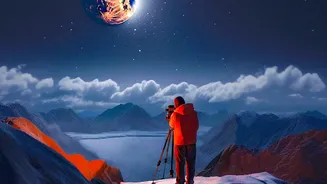
Finding Venus from anywhere in India on August 15 will be straightforward. The key is to look toward the western sky in the period just after sunset. As twilight deepens, Venus will emerge as a stunningly bright point of light. You won’t need a star chart to find it; its brilliance will set it apart from any actual stars. For the best experience, find a spot with an unobstructed view of the western horizon, away from the glare of city lights if possible. Venus will be visible for a while after sunset, but it's best to start looking about 30 to 60 minutes after the Sun has gone down. The planet will be in the constellation Virgo at this time. On the following evening, August 16, a crescent Moon will appear near Venus, creating an especially beautiful pairing.
An August Packed with Sky-High Events
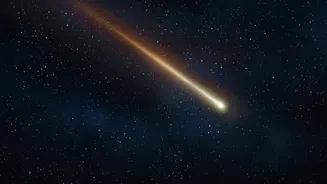
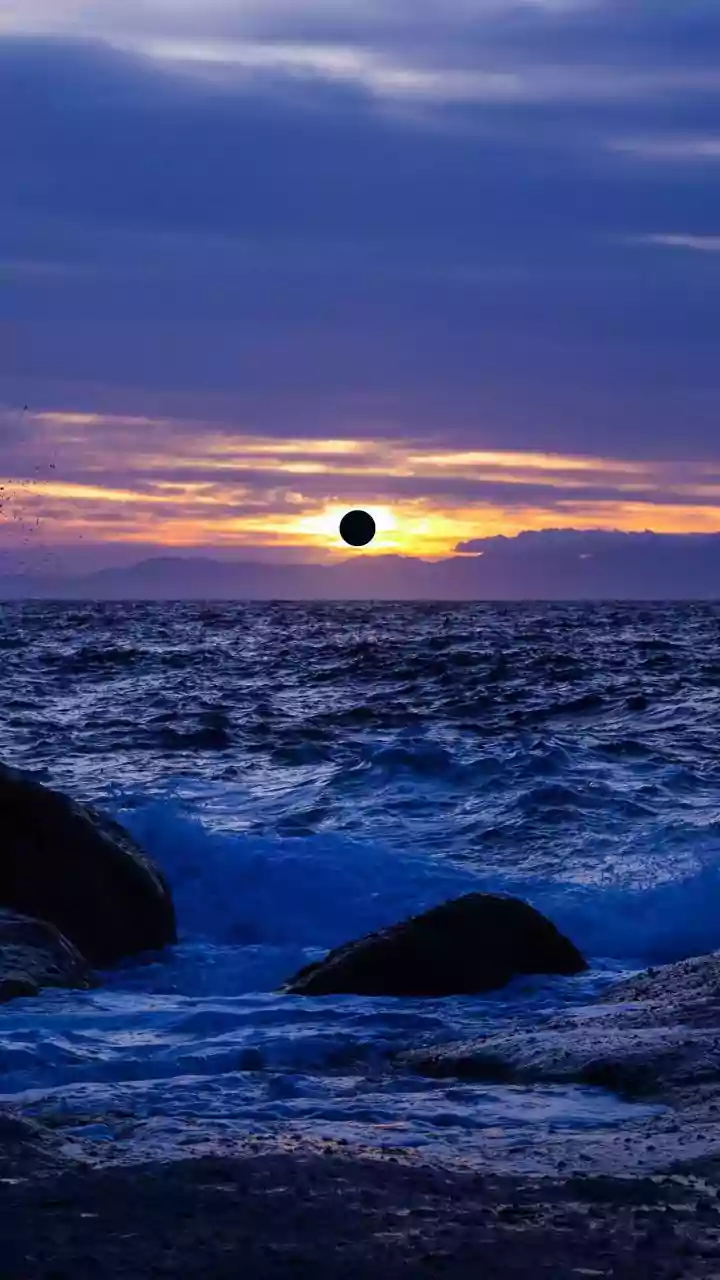
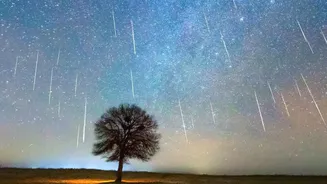
While Venus is the main attraction on the 15th, August 2026 is a blockbuster month for stargazers. The famous Perseid meteor shower peaks just a couple of days earlier, on the night of August 12-13. The timing is perfect this year, as the peak coincides with a New Moon, meaning darker skies and a better chance to see the shooting stars. There is also a spectacular total solar eclipse on August 12, though it won't be visible from India. These concurrent events make it a fantastic time to get outside and look up, connecting with the grand movements of our solar system. From meteor showers to planetary alignments, the night sky is putting on a remarkable show.