



A High-Stakes Restructuring
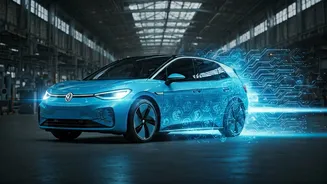
Volkswagen Group, one of the world's largest automakers, is in the midst of a profound and costly transformation. Faced with intense competition and the expensive shift to electric vehicles (EVs), the German giant is undertaking a massive restructuring.
This has involved selling off a majority stake in its marine engine business and could even include shutting down factories and cutting tens of thousands of jobs. Amid this corporate overhaul, advisors are reportedly urging VW to consider listing its prized asset, Lamborghini, on the stock market. A spokesperson for the group has acknowledged that all brands require a “profound transformation” as part of a necessary realignment of the company.
Unlocking Billions for an Electric Future
The primary motivation for a potential Lamborghini Initial Public Offering (IPO) is financial. The transition to electric vehicles is incredibly capital-intensive, and VW needs cash to fund its ambitious EV and software development goals. A partial listing of Lamborghini could raise billions. Analysts have floated valuations for the Italian supercar maker anywhere from €15 billion to over $22 billion. This strategy follows a successful playbook: in 2022, VW Group launched a blockbuster IPO for its other famous sports car brand, Porsche. That move was central to VW's strategy, raising significant capital to fund its transformation and providing a blueprint for how to unlock the value of its luxury holdings. A Lamborghini listing would follow a similar logic, allowing VW to generate funds for its core mass-market business while likely retaining a controlling stake through its subsidiary, Audi.
What's In It For Lamborghini?
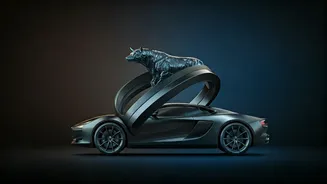
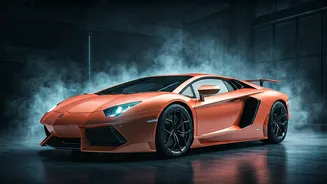
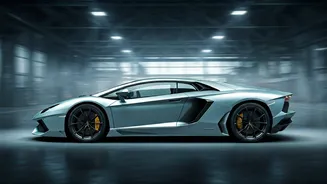
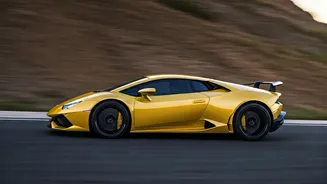
For Lamborghini, a public listing could mean greater entrepreneurial freedom and the dedicated capital needed to secure its own electric future. The brand is already on this path with its 'Direzione Cor Tauri' (Towards Cor Tauri) strategy, its roadmap for electrification backed by the largest investment in the company's history—over €1.9 billion. This plan involves hybridizing its entire lineup, including the Huracan, Aventador, and Urus models, before launching its first fully electric vehicle later in the decade. While Lamborghini is highly profitable, with operating margins that have rivaled or even surpassed Ferrari's in recent years, an IPO could provide the focused financial firepower to develop new technologies that stay true to the brand's legendary performance while meeting new emissions standards.
The Ferrari and Porsche Precedent
Volkswagen doesn't have to look far for examples. Ferrari's own IPO in 2015 set the benchmark for spinning off a luxury-performance brand, creating immense shareholder value. Many analysts now compare Lamborghini's financial performance and brand power directly to Ferrari's, suggesting a similar potential if it were to go public. More recently, the success of the Porsche IPO demonstrated that investors have a strong appetite for iconic, high-margin automotive brands, even in volatile market conditions. These precedents suggest that a publicly-listed Lamborghini could command a premium valuation, attracting investors who want a piece of the high-performance, high-luxury market. However, it's also a high-risk move. Selling off a crown jewel, even partially, means giving up some control and future profits from a consistently high-performing asset.
A Calculated Risk
Despite the persistent reports and clear strategic logic, a Lamborghini IPO is not a certainty. Volkswagen has been tight-lipped, and reports have surfaced for years without a concrete plan emerging. Some analysts argue that VW would be unlikely to part with such a reliable, high-margin revenue stream, especially when its mass-market brands are under intense pressure. The discussion itself, however, highlights the immense pressure on Europe's largest carmaker. The choice is a difficult one: hold on to a profitable and prestigious brand, or cash in on its high valuation to fund the survival and transformation of the entire group. Whatever the decision, it will signal the future direction not just for Volkswagen, but for the entire luxury car industry navigating the electric revolution.