






The Problem With Digital Perfection
Electric vehicles have mastered the art of speed. With instant torque and single-speed transmissions, they deliver acceleration that can pin you to your seat, all in near silence. For many drivers, this quiet smoothness is a key benefit. But for driving
enthusiasts, something has been lost in translation. The visceral connection built through the sound of a revving engine, the mechanical feedback of a gear change, and the subtle vibrations that communicate what a car is doing have been replaced by a more sterile, digital experience. While incredibly efficient and fast, many EVs can feel disconnected, like operating a very fast appliance rather than driving a car.
Hyundai's High-Performance Prescription
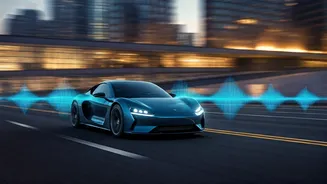
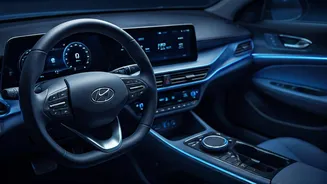
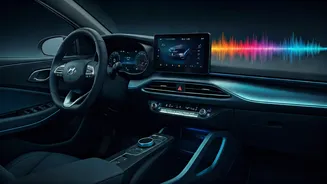
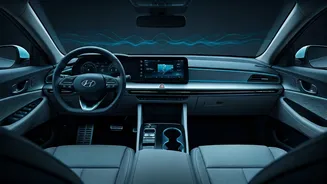
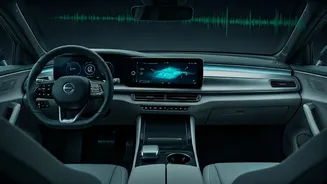
Enter Hyundai's N performance division. The brand is making a bold strategic bet that the key to winning over enthusiast hearts and minds is to deliberately re-introduce some of that 'analogue' imperfection back into the EV equation. The company's answer is a suite of technologies designed to simulate the sensory feedback of a high-performance internal combustion engine (ICE) car. Key features in their arsenal include N e-Shift, which mimics the jolts and rhythm of an eight-speed dual-clutch transmission, and N Active Sound+, which uses a 10-speaker system to pump synthesized engine and exhaust notes into and outside the car.
The Ioniq 5 N: A Blueprint in Action
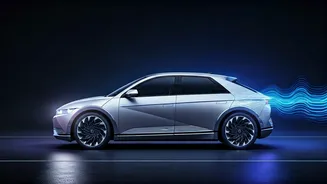
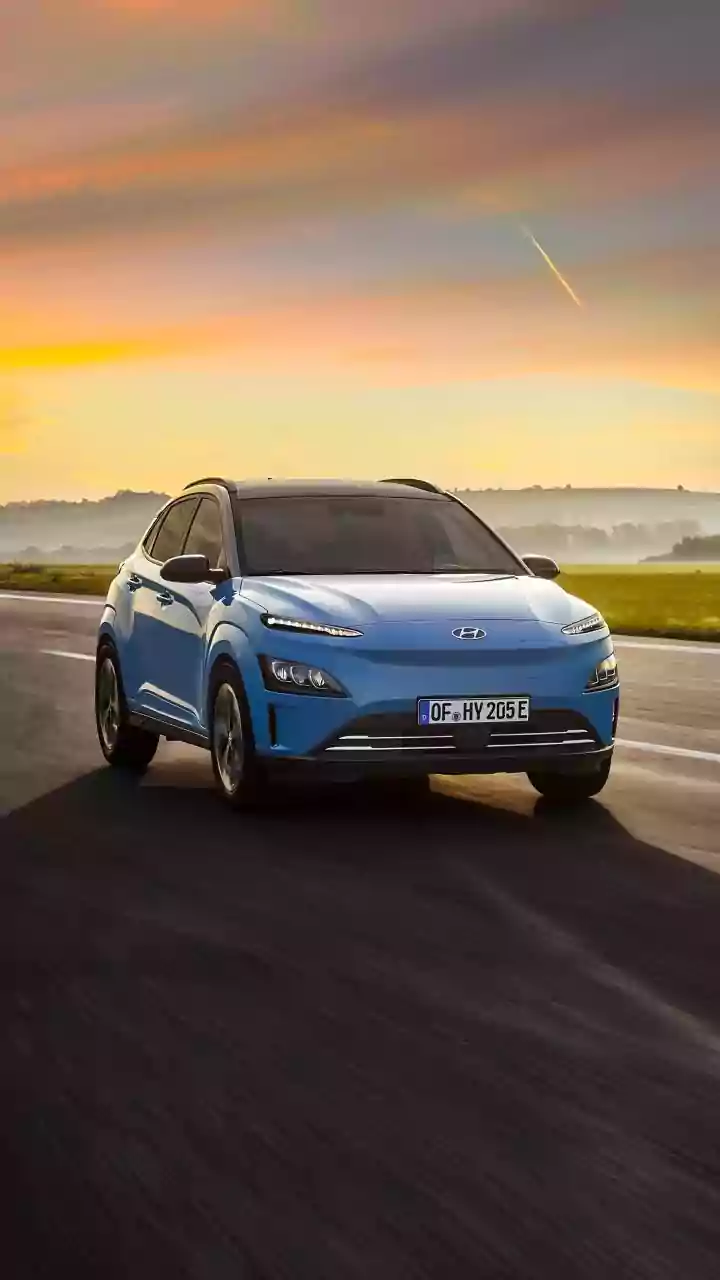
The first and most potent example of this philosophy is the Hyundai Ioniq 5 N. This high-performance crossover has been widely praised not just for its staggering 641 horsepower, but for how fun it is to drive. It serves as a proof-of-concept for Hyundai's entire strategy. The N e-Shift system uses motor torque adjustments to create the physical sensation of a gear change, complete with a simulated rev-limiter. Paired with the N Active Sound+, which offers sound profiles ranging from a traditional N-brand gasoline engine to a futuristic jet-fighter-inspired whine, the experience is layered and immersive. It's a car that proves an EV can have a distinct personality.
More Than Just Fake Noise?
While some critics initially dismissed these features as gimmicks, Hyundai argues it's all about the experience. According to Manfred Harrer, head of Hyundai's R&D division, the goal isn't just to chase raw performance numbers but to maximize driver enjoyment. He admits that while some may call the features 'fake,' the positive response proves people enjoy them. This strategy is also a clever business move, creating a unique brand identity in a market where many EVs share similar underlying platforms. By appealing to the emotions and senses, Hyundai is carving out a niche for drivers who want more than just silent speed. Other automakers, including Porsche and BMW, are now developing similar features, validating Hyundai's approach.
The Future is More 'Realistic'
Hyundai isn't stopping with what it has already built. Harrer has stated that the company is leading this technological charge and plans to make the experience even more realistic in its next generation of N cars. He has hinted at features like simulated engine idling, exhaust backfires, and even physical vibrations in the car to deepen driver engagement. These future developments will be built on a new 'IMA' platform, an evolution of the current E-GMP architecture, designed to support enhanced thermal management and these new sensory features. Hyundai is making it clear that this commitment to synthetic engagement is a core pillar of its future, not just a temporary solution.