


A New Chapter in Indian Travel
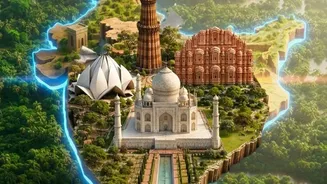
For decades, Indian tourism has been synonymous with historical monuments and spiritual journeys. While these remain popular, a significant shift is underway. Travellers, both domestic and international, are increasingly seeking unique, experience-led
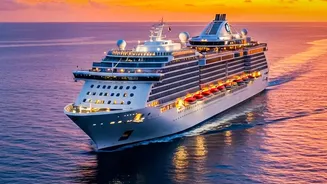
holidays. This has fueled the rise of segments like wellness retreats, rural homestays, and wildlife safaris. Now, joining these specialized sectors is cruise tourism, an industry moving from a niche luxury offering to a significant pillar of the national tourism strategy. Recent reports highlight that alongside spiritual and MICE (Meetings, Incentives, Conferences and Exhibitions) travel, cruise tourism is opening new avenues for growth and investment across the country.
The Government's Push on Waterways
A major catalyst for this growth is strong government backing. The ambitious Sagarmala Programme, a flagship initiative of the Ministry of Ports, Shipping and Waterways, is designed to promote port-led development. While its primary goal is to boost logistics efficiency, a key component is the development of coastal and riverine tourism. This involves upgrading port infrastructure, building dedicated cruise terminals, and simplifying regulations to attract cruise liners. The government aims to make India a top destination for deep-sea, coastal, and river cruises, leveraging the country's extensive 7,500-kilometre coastline and 14,500 kilometres of potentially navigable waterways.
From Oceans to Mighty Rivers
The Indian cruise experience is unfolding on two fronts: coastal and river. Ocean cruising along the west coast, connecting cities like Mumbai, Goa, and Kochi, and including destinations like the Lakshadweep islands, is gaining traction. Simultaneously, river cruising is emerging as the faster-growing and perhaps more unique segment. The launch of the MV Ganga Vilas, the world's longest river cruise, captured global attention. This 51-day journey from Varanasi to Dibrugarh across 27 river systems showcases the immense potential of India's inland waterways. These cruises offer an intimate way to explore remote regions, visiting historical sites, national parks, and vibrant riverside communities that are otherwise difficult to access.
The Economic Ripple Effect
The impact of cruise tourism extends far beyond the ships themselves. The sector is a powerful economic multiplier. Every cruise ship that docks brings passengers who spend on local tours, handicrafts, and dining, providing a direct boost to local economies. Furthermore, the industry creates a wide range of jobs, from on-board crew and hospitality staff to port agents, tour guides, and transport providers. Projections indicate that the cruise sector could contribute significantly to the Indian economy and create over 2.5 lakh jobs in the coming years, demonstrating its potential as a major pillar for employment and economic development.
What This Means for Travellers
For travellers, the rise of cruise tourism in India means more choice and new ways to explore the country. It offers a relaxed, all-inclusive style of travel, removing the stress of planning multiple hotel stays and transport connections. Whether it's a short weekend getaway on a coastal cruise or an immersive, multi-week expedition along the Ganga or Brahmaputra, there are growing options for various budgets and interests. It provides a unique vantage point, allowing you to witness the changing landscapes, diverse cultures, and daily life along India’s coasts and rivers in comfort and style.