

The Theatre of the Street Corner
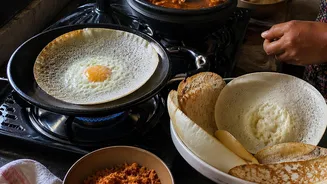
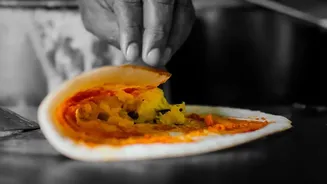
It all starts with the pan. Not just any pan, but a special, deep, wok-like vessel called an 'appachatti'. The vendor, a master of their craft, places it over a dancing flame, letting it get searingly hot. A ladle of milky-white batter is poured into
the centre. With a practiced flick of the wrist, the pan is swirled, sending a thin layer of the batter up its curved sides. A lid is placed on top, and for a minute, the magic happens in secret. The sound is a gentle sizzle, a promise of the contrast to come: a soft, spongy centre and impossibly crisp, lacy edges. This is the street-side theatre of the appam, a beloved South Indian pancake that is as much an experience as it is a meal.
More Than Just a Pancake
To call an appam a simple pancake would be an understatement. Originating in South India, with deep cultural roots in Kerala and Tamil Nadu, it is a culinary marvel. The batter is the heart of the matter, traditionally made from a fermented blend of rice and coconut. Some recipes call for a touch of toddy (palm wine) to aid fermentation, lending a subtle, tangy sweetness, though yeast is a common substitute today. This fermentation process is what gives the appam its unique texture—a thick, pillowy middle that soaks up curries beautifully, surrounded by a delicate, crunchy latticework.
The Heart of the Matter: The Appachatti
The unique, bowl-like shape of the appam is no accident; it’s the direct result of the 'appachatti' it's cooked in. Traditionally made of heavy cast iron, these pans are designed for perfect heat distribution. The curved sides allow the batter to spread thinly, creating those signature crispy edges, while the base collects a thicker pool of batter that steams gently under the lid. This dual-cooking process—frying on the edges and steaming in the centre—is what makes the appam so distinct from other flatbreads or pancakes. Using the right pan is not just about tradition; it's fundamental to achieving the authentic texture.
A Taste of Tradition
While its exact origins are debated by food historians, with mentions in ancient Tamil literature, the appam is a staple breakfast or dinner item across South India and Sri Lanka, where it's known as a 'hopper'. It holds particular cultural significance in Kerala, especially within the Syrian Christian community, where it is a celebratory dish often prepared for Easter breakfast. But its appeal is universal. From bustling city street corners to quiet family kitchens, the process of making and sharing appams is a cherished ritual. It’s a food that signifies comfort, celebration, and the simple joy of a well-made meal.
The Perfect Pairing
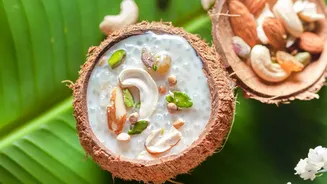
An appam is rarely eaten alone. Its mild, slightly sweet flavour makes it the perfect vehicle for a variety of accompaniments. The most classic pairing is a fragrant vegetable stew, gently spiced and rich with coconut milk, allowing the soft centre of the appam to act like a sponge. Other popular partners include spicy 'kadala' curry (made with black chickpeas), egg roast, or savoury chicken or mutton curries. For those with a sweet tooth, a simple bowl of sweetened, cardamom-infused coconut milk is a divine dip. The vendor will often ask for your preference, ladling the chosen curry alongside the hot, fresh appams, completing a perfect, handheld meal.