




The Dream Versus The Reality
For generations, names like Shimla, Manali, and Mussoorie have evoked a sense of tranquility. Today, during peak season, they are synonymous with gridlock. Journeys that once took minutes can now stretch for hours. Tourists heading to Manali have reported
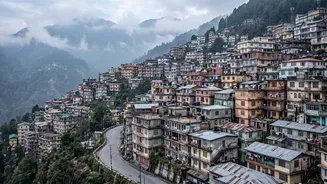
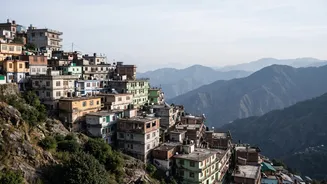
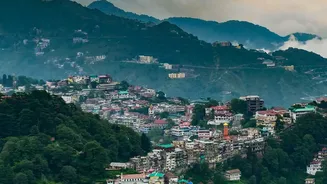
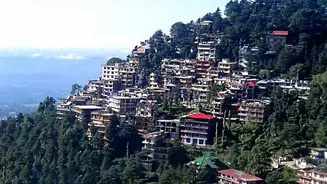
being stuck in traffic for up to 12 hours on a 16km stretch. The sheer volume of vehicles is staggering; in one recent 72-hour period, nearly 70,000 vehicles entered Shimla. This bumper-to-bumper reality extends beyond the roads. The famous Mall Roads and scenic viewpoints are often packed shoulder-to-shoulder, transforming a quest for solitude into a battle for space. This isn't just a holiday inconvenience; it's a symptom of a much deeper issue where the infrastructure of these fragile towns is buckling under unsustainable pressure.
What Changed? The Perfect Storm of Popularity
Several factors converged to create this surge. A growing middle class with more disposable income, coupled with vastly improved road and air connectivity, has made mountain getaways more accessible than ever. The post-pandemic era unleashed a wave of "revenge travel," as people flocked to domestic destinations to make up for lost time. Social media also plays a huge role, turning picturesque but remote villages into viral must-visit spots overnight, often without the infrastructure to handle the sudden fame. This relentless demand, driven by the desire to escape soaring temperatures in the plains, has turned a seasonal rush into a year-round phenomenon, with annual visitor numbers far exceeding the carrying capacity of these towns. Shimla, a city originally planned for about 25,000 people, now hosts up to 80,000 on peak days.
The Price of Progress: What Was Lost
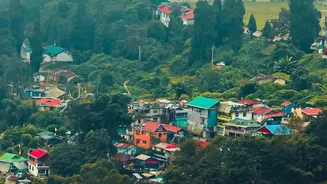
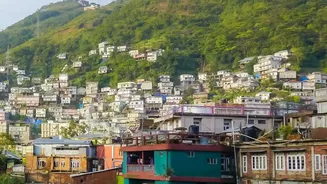
The most significant casualty is the environment. Unregulated construction of hotels and guesthouses has led to widespread deforestation, destabilising fragile slopes and increasing the risk of landslides. Water, the most basic resource, has become a critical issue. Hill stations like Shimla have faced severe water crises, with supplies dropping dramatically during tourist season, forcing rationing for residents. The influx of tourists puts an immense strain on water sources, with a tourist consuming significantly more water per day than a local resident. Waste management is another looming disaster, with towns generating tonnes of garbage daily that they are ill-equipped to process, leading to pollution of rivers and soil. The very natural beauty that draws visitors is being systematically degraded by their presence.
What Hasn't Changed: The Enduring Allure
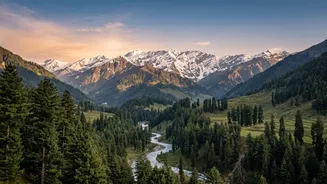
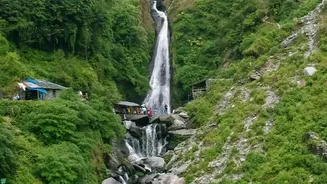
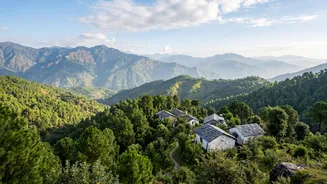
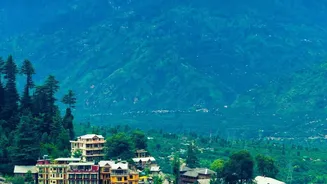
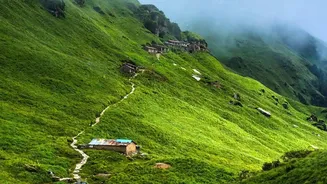
Despite the crowds and the chaos, the fundamental magic of the mountains persists. The majestic Himalayan panoramas, visible from just outside the congested town centres, remain as breathtaking as ever. The crisp, cool air—a powerful antidote to city heat and pollution—is still a primary draw. The core appeal of these destinations, built on natural beauty and a cooler climate, has not diminished. This enduring allure is precisely why they continue to attract millions. For those willing to venture off the beaten path or travel during the shoulder seasons, pockets of the old-world charm can still be found. Lesser-known villages and trails offer a glimpse of the tranquility that once defined the mainstream hill stations, even as they too face the risk of future commercialisation.