



The Quiet Heart of 'Empty Spain'
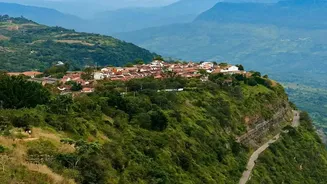
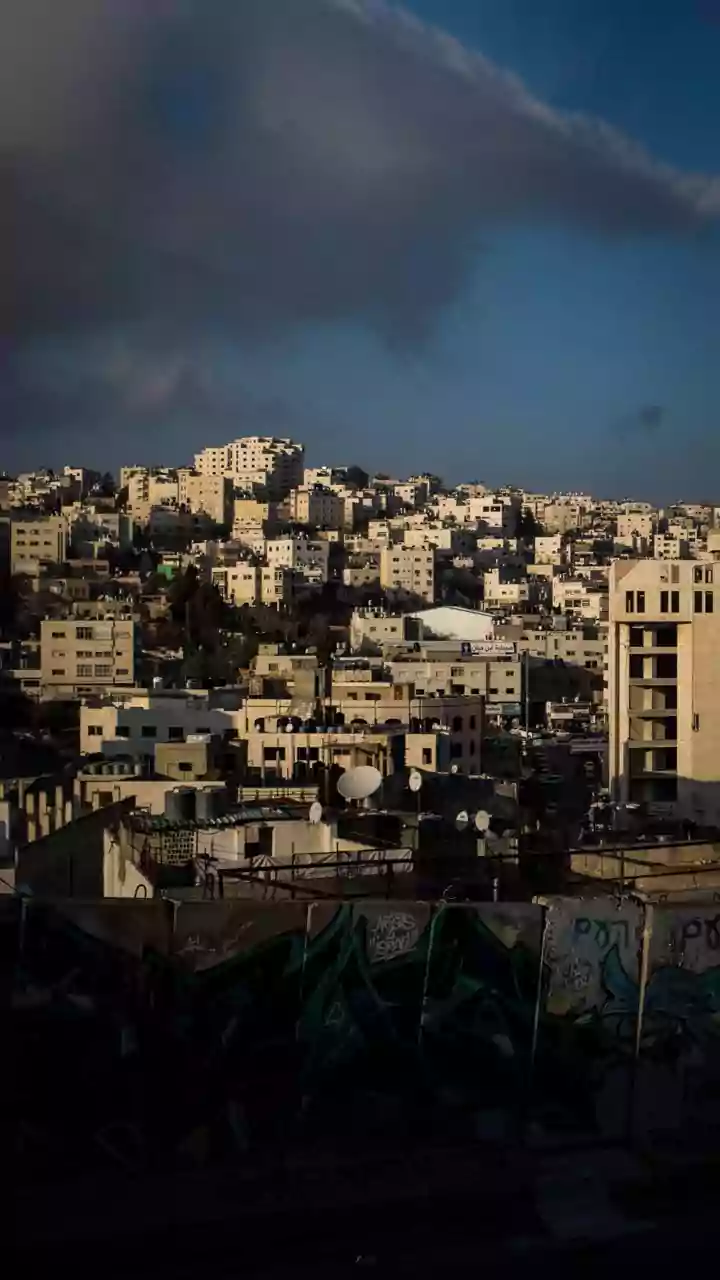
The province of Burgos is a landscape of stark contrasts. It is home to a vibrant provincial capital, yet it is also a poster child for what is known as 'España Vaciada' or 'Empty Spain'. A recent study highlighted Burgos as the province where the population
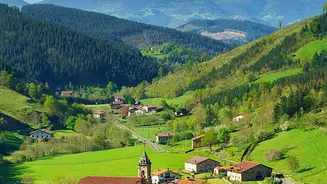
is most heavily concentrated in a tiny urban area, leaving vast stretches of the territory sparsely inhabited. Hundreds of small villages, rich with history and heritage, have seen their populations dwindle over decades as younger generations move to cities for work. Life in these hamlets follows ancient rhythms, dictated by seasons and harvests, far from the frantic pace of the 21st century. Many exist in a state of quiet preservation, their stone houses and Romanesque churches a testament to a time when rural life was the region's backbone.
A Celestial Appointment
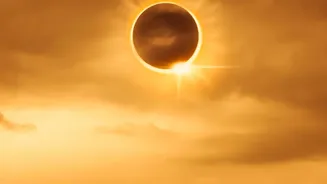
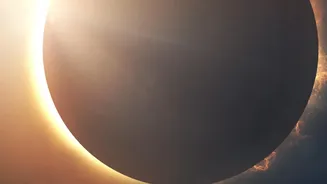
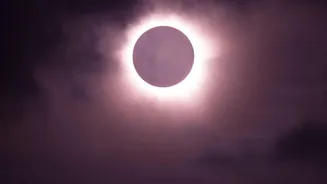
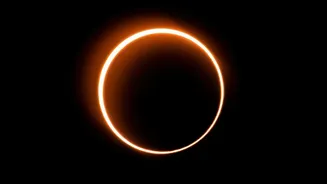
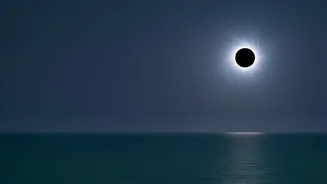
On the evening of August 12, 2026, this timeless tranquility will be spectacularly interrupted. A total solar eclipse—the first to be visible from mainland Spain in over a century—will trace a path across the northern part of the country. By a stroke of cosmic luck, the path of totality, where the Moon completely obscures the Sun, passes directly over this region. The area around Burgos offers one of the best vantage points in all of Europe, boasting a high probability of clear August skies and a relatively long duration of totality, lasting around one minute and 44 seconds. The event will occur late in the evening, with the eclipsed sun sitting low on the western horizon, promising a dramatic spectacle for all who gather to watch.
The World Comes Calling
This rare astronomical alignment has turned these quiet Burgos villages into unlikely global hotspots. What was once a forgotten corner of Spain is now a primary destination for thousands of eclipse chasers, scientists, and astro-tourists from around the world. Hotels in the main city of Burgos and surrounding areas have been booked for months, if not years, in advance. Local authorities and businesses are preparing for an unprecedented influx of visitors, a phenomenon seen in other small towns that have found themselves in the path of totality. Previous eclipses in the US have shown that such events can bring a massive, if temporary, economic boom to small communities, with visitors spending on accommodation, food, and local goods. For a few days, the population of these villages could swell to many times their normal size.
More Than Two Minutes of Darkness
For the local residents, the eclipse is more than just a scientific curiosity; it's a source of both excitement and apprehension. The sudden attention brings a welcome economic infusion and a sense of pride. It’s an opportunity to showcase their local heritage, cuisine, and the rugged beauty of their landscape to an international audience. However, there is also the challenge of managing the crowds and the question of what comes after. Will this fleeting moment of fame have a lasting impact? Organizers and local leaders hope the event will do more than just provide a short-term boost. They see it as a chance to put their region on the map permanently, attracting future tourism and perhaps even encouraging some to see the appeal of life in this historic, sun-beaten corner of Spain, long after the shadow of the moon has passed.