



Two Practices, Two Philosophies
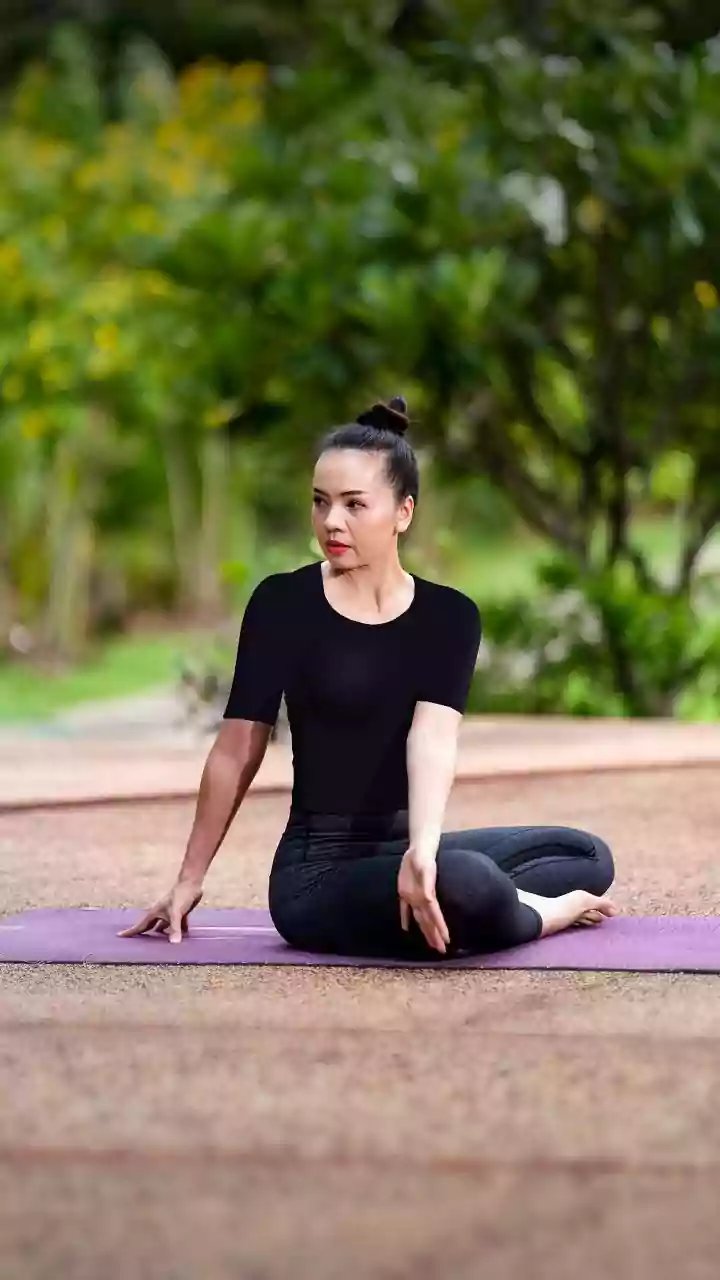
At first glance, Pilates and Tai Chi might seem similar. Both involve slow, deliberate movements and a strong mind-body connection. However, their origins and core goals are quite distinct. Pilates, developed by Joseph Pilates in the early 20th century,
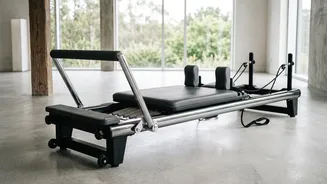
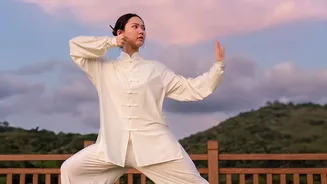
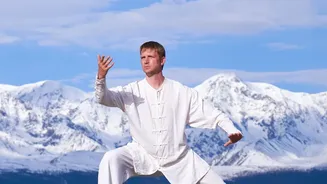
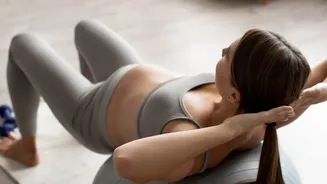
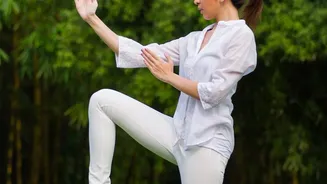
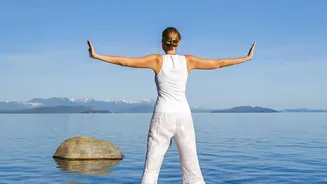
is an exercise system focused on building core strength, improving posture, and enhancing flexibility through controlled, precise movements. It often involves repetitions of exercises on a mat or specialized equipment. Tai Chi, on the other hand, is an ancient Chinese internal martial art. It is often described as 'meditation in motion' and consists of a series of flowing, continuous movements designed to improve balance, coordination, and mental calm. While Pilates targets specific muscle groups, Tai Chi focuses on coordinating the entire body in harmonious, circular motions.
The Nature of Intensity
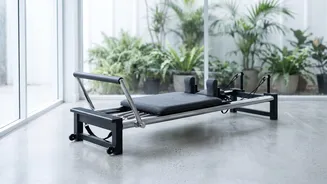
Intensity means something different in each practice. In Pilates, intensity is often related to muscular engagement and endurance. It builds through precision, control, and resistance, whether from your own body weight or from equipment like reformers. Slowing down a movement or extending a lever (like straightening a leg instead of bending it) can dramatically increase the intensity by forcing your core to work harder to maintain stability. In Tai Chi, the intensity is more subtle and internal. It comes from maintaining a flexed stance, moving slowly and deliberately, and focusing the mind. The lower you sink into the stances and the slower you perform the flowing form, the more you build leg strength and endurance. The challenge is less about muscle burn and more about sustained balance and mental focus.
Building Strength and Stability
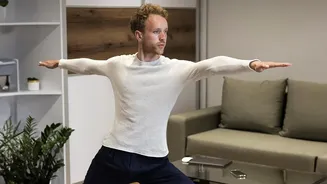
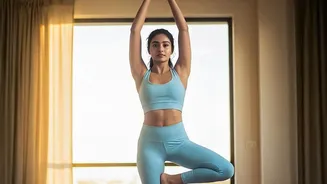
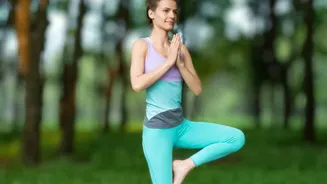
Both practices are excellent for building strength, but they do it differently. Pilates is renowned for its ability to develop deep core strength, which includes the muscles supporting the spine and pelvis. This focus on a strong center enhances posture and provides a stable base for all other movements. Tai Chi builds functional strength through whole-body coordination and constant, mindful weight shifts. By practicing a 'separation of weight'—balancing completely on one leg before moving the other—you build incredible leg strength and stability. This makes it particularly effective for improving balance and reducing the risk of falls, especially in older adults.
The Mind-Body Connection
While both disciplines require concentration, their approach to the mind-body link varies. Pilates demands intense focus on breath, alignment, and the precise execution of each muscle contraction. This deep concentration helps you develop a greater awareness of your body's mechanics. Tai Chi's mental component is more meditative. The goal is to achieve a state of relaxed awareness, where the mind is calm and present in the moment. This continuous, flowing practice helps reduce stress and can be applied to daily situations, helping you remain calm under pressure. It trains you to combine mental focus with physical action, moving from your center with a quiet mind.
How to Find Your Comfortable Intensity
The beauty of both practices is their adaptability. You are in control of the intensity. In Pilates, you can modify any exercise to suit your level. A good instructor will show you how to start with a smaller range of motion, bend your knees to reduce strain, or use props for support. Intensity can be increased by lengthening levers or slowing down movements to challenge control. In Tai Chi, intensity can be adjusted by the depth of your stance; a higher, more upright posture is less demanding, while sinking lower creates a greater challenge. The practice can even be adapted for seated positions, focusing on weight shifts and upper-body movements. Listening to your body is crucial in both. The goal is to find a level that feels challenging but not painful.