




A Landmark Return
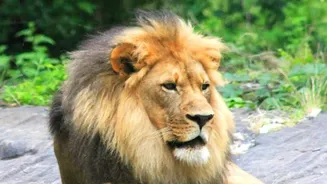
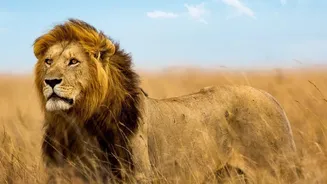
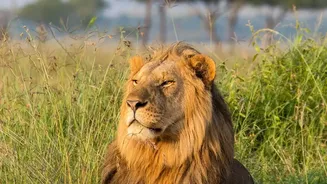
The long wait is officially over. The Barda Wildlife Sanctuary, located about 100 kilometres from the famous Gir National Park, is once again home to Asiatic lions. The journey began in early 2023 when a single, radio-collared male lion naturally migrated
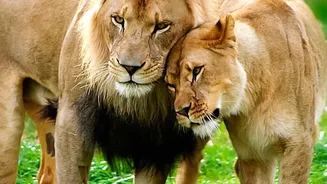
into the sanctuary, the first of its kind recorded since 1879. Following this pioneering move, the Gujarat Forest Department augmented the population by introducing five females to establish a new, viable community. Recent reports confirm the success of this initiative, with the population now growing to include adults and cubs, signifying that the lions are adapting well to their ancestral home.
Why This Is a Critical Milestone
For decades, the entire global population of wild Asiatic lions has been confined to a single location: the Gir landscape in Saurashtra, Gujarat. While conservation efforts there have been a resounding success—growing the population from a few dozen to over 800—this has also created a high-risk scenario. A single epidemic, like the Canine Distemper Virus outbreak that affected African lions, or a natural disaster could have a devastating impact on the species. Wildlife experts and even the Supreme Court have long advocated for establishing a second, geographically separate population to act as an insurance policy against such a catastrophe.
The Long Road to a Second Home
The idea of a second home for lions is not new. For years, the Palpur-Kuno National Park in Madhya Pradesh was identified as a prime location, with a Supreme Court order in 2013 even directing the translocation. However, the plan faced prolonged delays. The natural migration of a lion to Barda and the subsequent government approval under 'Project Lion' provided a breakthrough. This move keeps Gujarat's pride within the state while still achieving the crucial ecological goal of population diversification. The Barda Sanctuary, established in 1979, has been prepared for this moment, with efforts to increase the prey base and improve the habitat making it suitable for lions once more.
What Makes Barda Suitable?
Barda wasn't chosen by chance. A report by the Wildlife Institute of India identified it as a potential site capable of supporting a population of around 40 lions. The sanctuary's rugged terrain, mixed forests, and grasslands provide a suitable habitat. Studies confirm that the area has an adequate prey base, including wild pigs and other animals, which is now being further supplemented with the reintroduction of species like spotted deer to support the growing lion population. Research on the radio-collared lions shows them establishing home ranges and adapting their diet, proving the sanctuary can sustain them long-term.
The Future of the Pride
The successful re-establishment of lions in Barda is a monumental step forward for 'Project Lion', a central government initiative announced in 2020 to ensure the long-term conservation of the species. With a safari park and other facilities planned, the region is also set for a new chapter in eco-tourism. However, the work is far from over. Proactive management focusing on habitat restoration, continued prey-base enhancement, and mitigating potential human-lion conflict will be essential to ensure Barda transforms from a promising site into a permanent, secure stronghold for these magnificent big cats.









