


The Perfect Vrat Companion
During the fasts observed in Sawan, or Shravan, many people turn to a 'falahari' or sattvic diet. This typically excludes grains, onions, garlic, and certain spices, while welcoming ingredients like fruits, dairy, and specific vegetables. Potatoes are
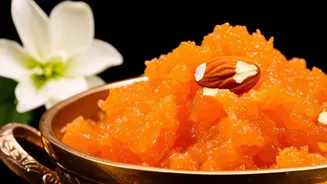
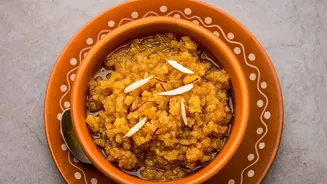
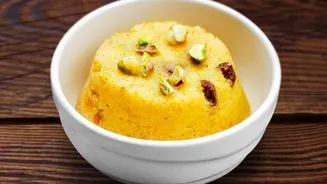
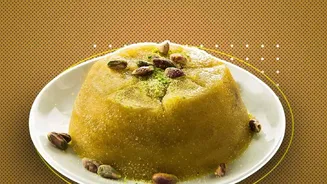
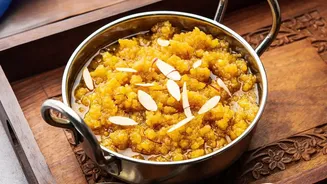
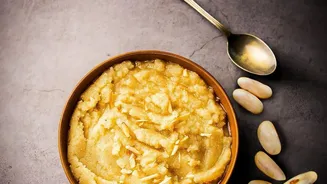
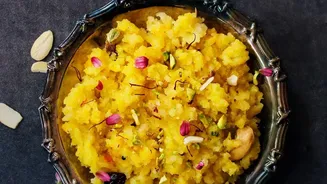
a cornerstone of fasting cuisine, providing energy and versatility. They can be transformed into savoury sabzis or, in this case, a decadent halwa. Aloo ka Halwa is a classic North Indian dessert, especially popular during fasting periods like Navratri and Sawan because it's quick, incredibly satisfying, and made with pantry staples. It provides the necessary carbohydrates and energy to sustain you through the day, making it an ideal choice for a sweet treat after an evening prayer.
Essential Ingredients
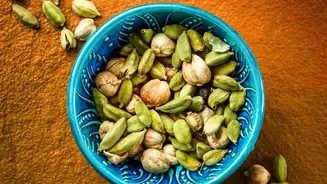
This recipe focuses on simplicity, using just a handful of ingredients to create a memorable dessert. You will need: Potatoes: 4-5 medium-sized (about 500 grams), boiled, peeled, and mashed or grated. Ghee: 3-4 tablespoons. Using pure desi ghee is crucial for the authentic aroma and flavour. Sugar: ½ to ¾ cup, adjusted to your taste. Milk: ¼ to ½ cup (optional, but adds creaminess). Cardamom Powder: ½ teaspoon, for a beautiful fragrance. Mixed Nuts: 2 tablespoons of chopped almonds, cashews, or pistachios for garnish and texture.
Step-by-Step to a Perfect Halwa
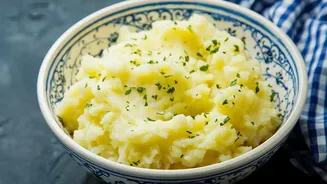
1. First, prepare the potatoes. Boil them until they are very tender, then peel them while still warm. Mash or grate them to ensure there are no lumps for a smoother texture. 2. Heat ghee in a heavy-bottomed or non-stick pan over medium heat. A non-stick pan is highly recommended to prevent the potato from sticking. 3. Add the mashed or grated potatoes to the pan. Sauté the potatoes, stirring continuously, for about 8-10 minutes. The potato will first absorb the ghee and then, as it roasts, it will turn a light golden brown and release a wonderful aroma. 4. Once the potato is well-roasted, add the sugar. Continue to stir as the sugar dissolves and the mixture becomes more liquid. 5. If using, pour in the milk and add the cardamom powder. Keep cooking and stirring until the mixture thickens again and starts to pull away from the sides of the pan. This is the sign that your halwa is almost ready. 6. The final consistency should be glossy, with the ghee separating from the sides. This process can take about 15-20 minutes in total. 7. Turn off the heat, stir in most of your chopped nuts, and serve the halwa hot, garnished with the remaining nuts.
Secrets to a Rich, Melt-in-Your-Mouth Texture
Achieving that signature rich texture is what makes this halwa special. The key lies in a few simple techniques. First, the way you prepare the potatoes matters. Grating the boiled potatoes instead of just mashing them helps create a uniform, lump-free base which results in a silky-smooth finish. Second, be patient during the roasting stage. Roasting the potato in ghee until it turns a consistent golden colour is the most important step for developing flavour and preventing a raw taste. Don't rush this part. Continuous stirring is non-negotiable; it ensures even cooking and prevents the starchy potato from sticking and burning. Finally, using a good quality, heavy-bottomed pan distributes heat evenly, which is essential for getting that perfect, non-sticky consistency where the halwa beautifully leaves the sides of the pan.