





A Nationwide 'Station Mahotsav'
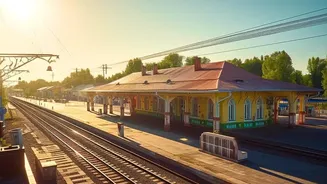
Indian Railways is launching a "Station Mahotsav" (Station Festival) to honour the founding anniversaries of 103 of its most historic stations. Spanning from August to November, this initiative aims to put a spotlight on the unique architectural and cultural
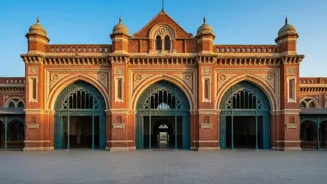
legacy of these British-era structures. Of the selected stations, 72 were established in the 19th century and 31 in the early 20th century, representing a significant slice of India's 173-year railway history. This project is distinct from, but spiritually connected to, other modernisation efforts like the Amrit Bharat Station Scheme, which also seeks to blend modern amenities with local heritage. The Mahotsav specifically focuses on celebrating the past and turning these stations into living museums.
What to Expect at the Celebrations
The events planned are more than just a fresh coat of paint. The Railway Board has outlined a standardised programme designed to engage both travellers and local communities. Visitors can expect historical photo exhibitions showcasing the station's evolution, displays of vintage railway artefacts, and the screening of short films about the station's heritage. To add local flavour, the Mahotsav will also feature regional food festivals and the promotion of local art and handicrafts, tying into the successful 'One Station One Product' scheme. In some locations, dazzling laser shows are also planned as part of the evening attractions, creating a festive atmosphere that brings history to life in a dynamic way.
From Howrah to Lucknow: Icons in the Spotlight
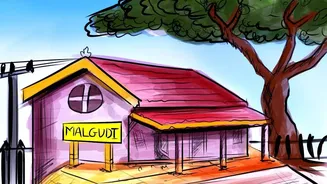
The list of 103 stations includes some of the most iconic names in Indian railway history. Among the oldest are Kalyan in Maharashtra and Howrah in West Bengal, both dating back to 1854, just a year after the first passenger train ran in India. Other 19th-century marvels on the list include Bardhaman in West Bengal (1855), Lonavala in Maharashtra (1858), and the Old Delhi Railway Station (1867). The 20th century is also well-represented, with stations like Uttar Pradesh's Lucknow Charbagh (1926), known for its magnificent architecture, and Kakori (1925), a site intrinsically linked to India's freedom struggle. The list even includes newer heritage sites like Malgudi (Arasalu) in Karnataka, established in 1934.
Preserving a Legacy for the Future
This initiative follows in the footsteps of earlier programmes like 'Azadi Ki Rail Gadi aur Stations,' which highlighted stations connected to the freedom movement. By celebrating their founding anniversaries, the Railway Board is not only honouring the past but also investing in the future. These events aim to foster a sense of civic pride and encourage tourism, turning these colonial-era buildings into destinations in their own right. For a younger generation, it offers a tangible connection to the history of the railways and its foundational role in building modern India. By blending heritage, culture, and community engagement, the Station Mahotsav aims to ensure these architectural gems are cherished for generations to come.