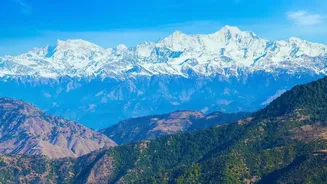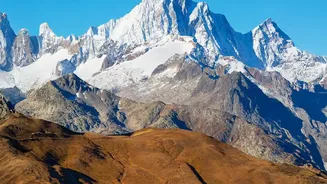

A Young and Restless Mountain Range
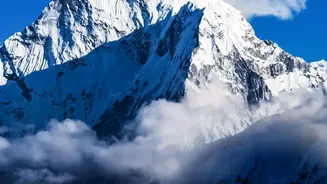
The primary reason for the Himalayas' volatility lies in their geological youth. Formed by the ongoing collision between the Indian and Eurasian tectonic plates, the mountains are still rising. This constant upward push makes the region highly seismically
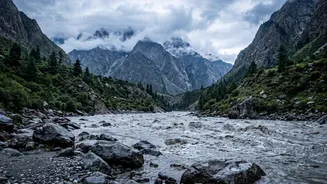
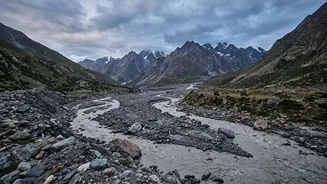
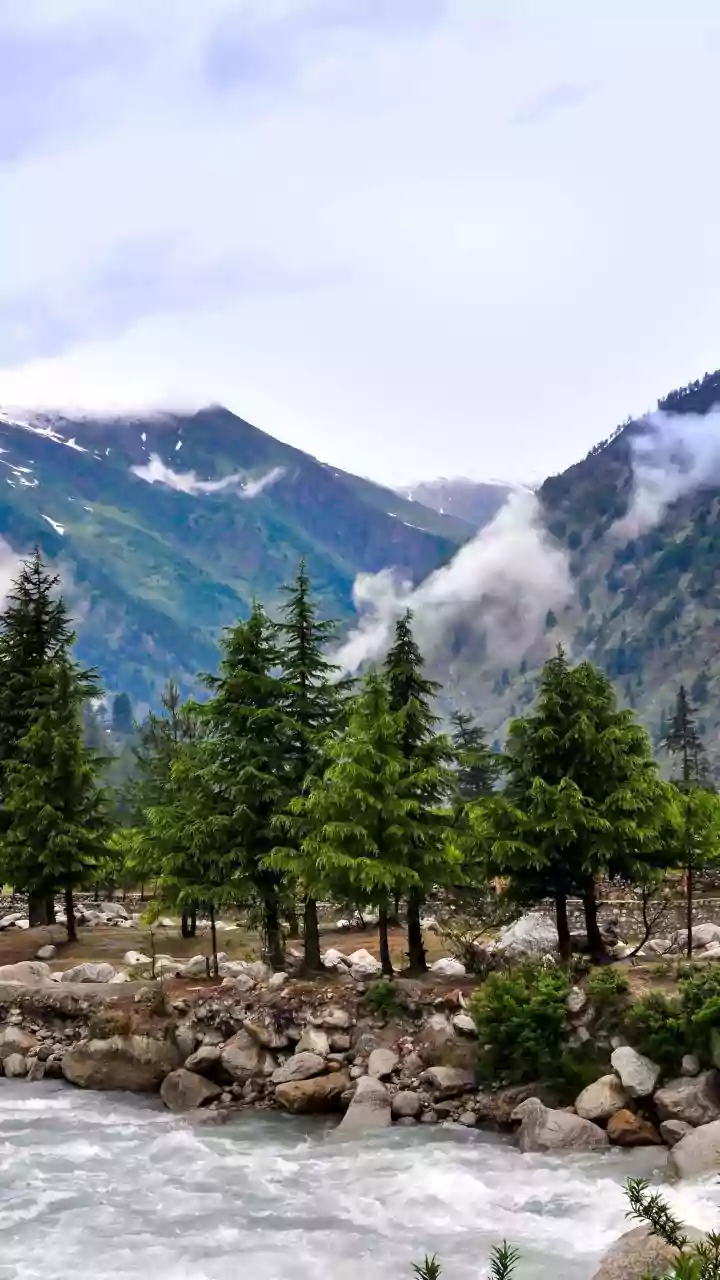
active, prone to earthquakes that can shake loose vast quantities of rock and ice. Unlike older, more settled mountain ranges, the Himalayas have incredibly steep slopes composed of fractured, unstable rock. This inherent instability means that even without a major earthquake, the force of gravity is always at work, making landslides a common occurrence that can dam rivers or flow directly into them, triggering flash floods.
A Collision of Weather Systems
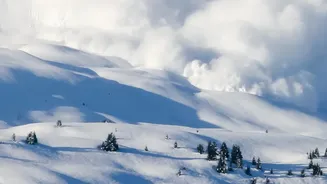
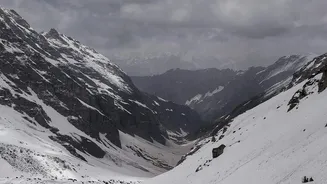
The Himalayas sit at the crossroads of two powerful weather phenomena: the summer monsoon and winter's western disturbances. The monsoon season brings intense, concentrated rainfall that can saturate the ground, dramatically increasing the risk of landslides and flash floods as water rapidly runs off the steep terrain. In recent years, an increase in extreme rainfall events and cloudbursts has exacerbated this threat. Conversely, western disturbances, which originate over the Mediterranean Sea, deliver heavy snowfall during the winter months. This snow builds up into massive packs on the slopes, creating the perfect conditions for avalanches. Climate change is reportedly altering the behaviour of these weather systems, leading to more erratic and intense precipitation, further amplifying the danger.
The Growing Threat of Melting Ice
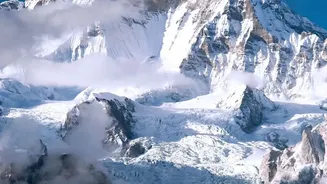
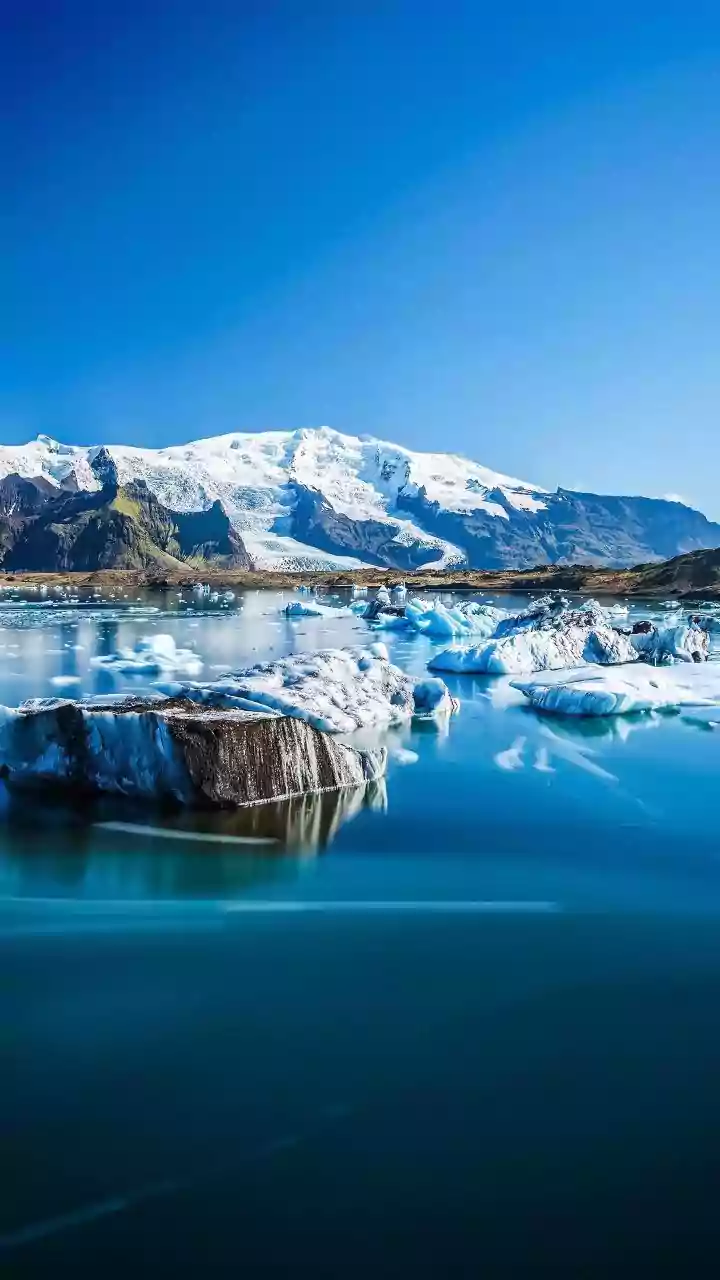
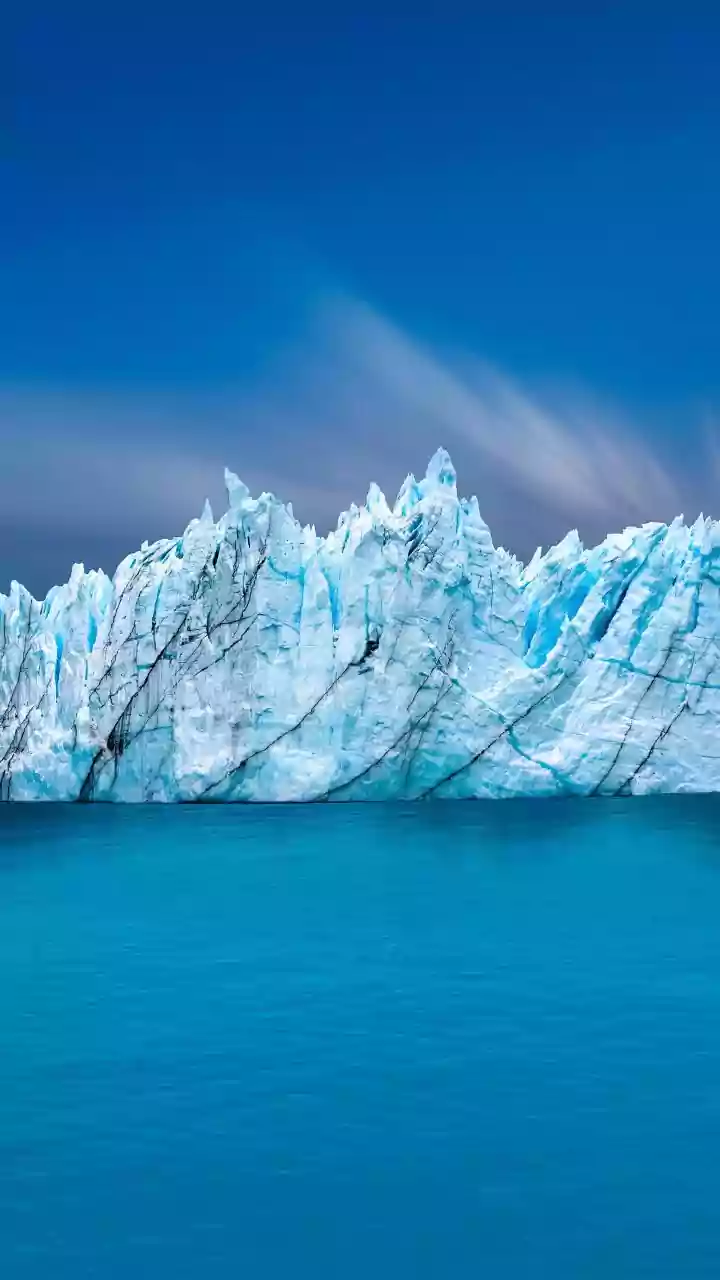
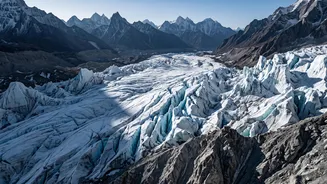
The Himalayas are often called the 'Third Pole' for holding the largest mass of ice outside the polar regions. However, these glaciers are melting at an accelerated rate due to rising global temperatures. This has two dangerous consequences. First, it destabilises the snowpack and the glaciers themselves, making ice avalanches more likely. Second, and more critically, the meltwater is forming thousands of new and expanding glacial lakes. These lakes are often dammed by nothing more than unstable mounds of loose rock and soil called moraines. If this natural dam is breached—by an avalanche, an earthquake, or simply the pressure of the rising water—it can result in a Glacial Lake Outburst Flood (GLOF). These GLOFs release a terrifying, sudden torrent of water, ice, and debris that can travel for kilometres, destroying everything in its path.
The Human Factor
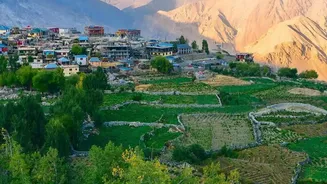
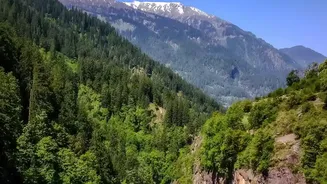
While the primary drivers are natural, human activity has compounded the risks. Unregulated construction of roads, dams, and buildings, often on fragile slopes, can further destabilise the land. Deforestation removes the tree cover that helps bind soil and absorb water, increasing the likelihood of landslides and soil erosion. This development not only puts more infrastructure in harm's way but can actively contribute to triggering these disasters by altering natural drainage patterns and weakening the already delicate mountain ecosystem. The combination of fragile geology and poorly planned infrastructure creates a perfect storm for cascading disasters, where one event like a landslide can trigger a flood that destroys a dam, amplifying the damage downstream.