



A Hidden Gem in Your Vegetable Basket
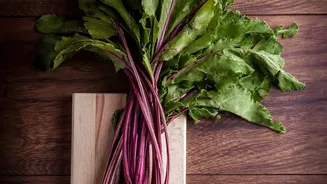
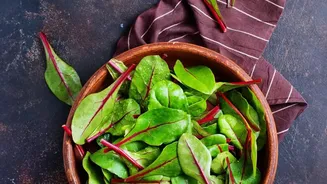
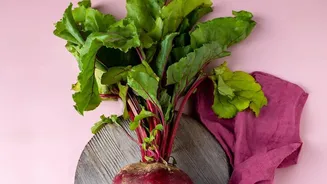
For generations, many of us have been taught to twist off and discard the leafy tops of beetroot, focusing only on the earthy root. However, these greens are a culinary delight in their own right. Their flavour profile is pleasantly mild and earthy, with
a subtle sweetness that makes them incredibly versatile. Often compared to spinach or Swiss chard, beetroot leaves are generally sweeter than kale. The leaves cook down to a silky, tender texture, while their colourful stems, which are also edible, provide a delightful crunch. By using the entire plant, you not only reduce kitchen waste but also unlock a new, delicious ingredient that has been hiding in plain sight.
A Nutritional Powerhouse
Beyond their pleasant taste, beetroot leaves are packed with an impressive array of nutrients. They are an excellent source of essential vitamins, including Vitamin A for vision, Vitamin C for immunity, and Vitamin K for bone health. In fact, some studies suggest that beet greens contain more iron than spinach. They are also rich in vital minerals such as calcium, magnesium, and potassium, which support everything from bone density to heart health. Furthermore, the leaves are loaded with antioxidants and dietary fibre, which can aid digestion, help reduce inflammation, and support overall well-being. Adding these greens to your meals is an easy way to boost your nutrient intake significantly.
How to Prepare Beetroot Leaves
Preparing beetroot leaves is simple and straightforward. The most crucial step is to wash them thoroughly, as the broad leaves can trap a surprising amount of soil and grit. The best method is to submerge them in a large bowl of water, swish them around, and let the dirt settle to the bottom. Lift the leaves out of the water rather than pouring the water out, and repeat if necessary until the water runs clear. Once clean, you can use both the leaves and the stems. Simply chop them up. For most Indian preparations like a sabzi or dal, chopping them together works perfectly well. If the stems seem particularly thick or tough, you can chop them finer and start cooking them a minute or two before adding the more delicate leaves.
Simple Stir-fry (Sabzi or Poriyal)
One of the easiest ways to enjoy beetroot leaves is by making a simple stir-fried sabzi. Heat a little oil in a pan and add a tempering of mustard seeds and cumin seeds. Once they splutter, you can add chopped onions, garlic, and green chillies. Sauté for a minute before adding the chopped beetroot leaves and stems. Season with salt, a pinch of turmeric, and perhaps some coriander powder. Cover and cook for just a few minutes until the leaves have wilted but are still vibrant green. For a South Indian-style poriyal or thoran, finish the dish by stirring in a generous amount of freshly grated coconut and a squeeze of lemon juice. It makes a perfect side dish for rotis or rice.
Enrich Your Dal
Much like palak (spinach) or methi (fenugreek), beetroot leaves can be used to create a hearty and nutritious dal. You can add the chopped greens to any lentil preparation, but they pair particularly well with masoor dal (red lentils) or moong dal (split yellow lentils). Prepare your dal as you normally would. In a separate pan, make a tadka by frying onions, ginger, garlic, and tomatoes in ghee or oil with your preferred spices. Add the chopped beetroot leaves to this tadka and sauté until they wilt. Finally, pour this flavourful mixture into your cooked dal, stir well, and simmer for a few more minutes to allow the flavours to meld. The result is a comforting, wholesome dish.
Get Creative with Greens
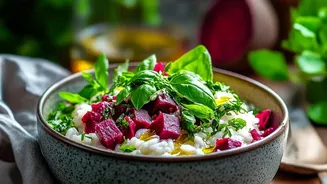
The versatility of beetroot leaves doesn't end with dals and sabzis. You can finely chop them and mix them into the dough for parathas or theplas for an extra layer of flavour and nutrition. The tender leaves can also be used raw in salads, adding an earthy note and beautiful colour. Consider blending them into green smoothies for a nutrient boost or adding them to soups and stews in the last few minutes of cooking. You can even make a delicious chutney or dip by cooking the leaves with garlic and spices and then blending them into a smooth paste. Think of them as a direct substitute for any other leafy green in your culinary repertoire.