




A Spectacle 12 Years in the Making
Neelakurinji, or Strobilanthes kunthiana, is not just any flower. It is a shrub endemic to the shola grasslands of the Western Ghats, growing at high altitudes. Its name itself is a description: 'Neela' means blue, and 'Kurinji' is the local name for
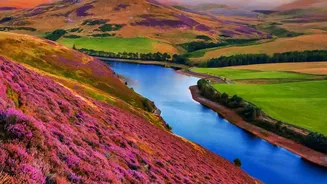
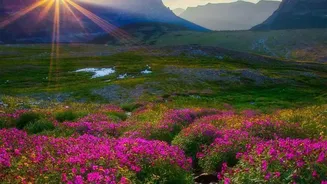
the flower. What makes it extraordinary is its life cycle. This plant blooms only once in its lifetime, a phenomenon known as masting, before it dies and leaves behind seeds for the next generation. This synchronized mass flowering, which blankets entire hillsides in a purplish-blue hue, occurs just once every 12 years, making it one of nature’s most anticipated and spectacular events.
The Cradle of the Bloom
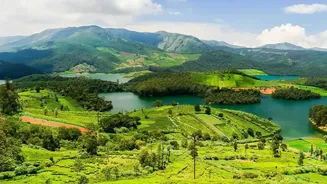
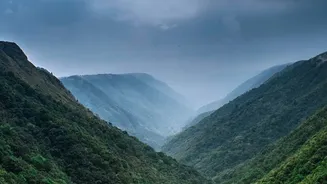
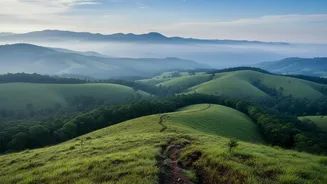
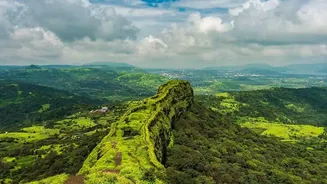
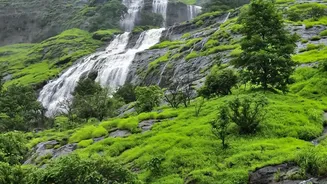
The heartland of the Neelakurinji bloom is Munnar in Kerala, particularly within the protected precincts of Eravikulam National Park. This park, also home to the endangered Nilgiri Tahr, provides a sanctuary for this unique plant. The sight of the blue blossoms against the park's green grasslands is a breathtaking contrast. It is believed that the Nilgiri Hills, which literally translate to 'Blue Mountains', earned their name from the stunning visual of these mass blooms painting the landscape. While the last major flowering event was in 2018, with the next one anticipated in 2030, smaller, localised blooms can sometimes occur in different parts of the Western Ghats.
Why Touching is an Act of Harm
The impulse to reach out and touch, or even pluck, a beautiful flower is understandable, but in the case of Neelakurinji, it is deeply destructive. Each plant blooms only once to produce the seeds for the next 12-year cycle. When a flower is plucked, its life cycle is cut short, preventing it from seeding and jeopardizing the next generation of blooms. Furthermore, these plants are part of a very fragile high-altitude ecosystem. Trampling the bushes to get a better photo or venturing off designated paths can compact the soil, damage the roots, and harm countless other species that coexist with the Kurinji. The plants simply cannot be cultivated at home; they are wild and endemic to these specific elevations.
The Responsible Visitor's Guide
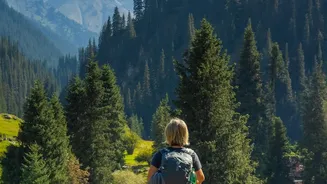
Being a responsible admirer of the Neelakurinji is simple and ensures this natural heritage thrives. The most important rule is to admire with your eyes only. Do not pluck the flowers or harm the plants in any way. During blooming season, authorities lay down clear guidelines which every visitor must follow. Always stay on the marked trails and designated paths to avoid trampling the delicate flora. These areas are strictly no-plastic zones, so be mindful of carrying any litter back with you. The influx of tourists puts immense pressure on the region, and by following these rules, you actively participate in conservation. Authorities have warned of strict penalties, including fines and imprisonment, for damaging these protected plants.
A Collective Responsibility for a Shared Wonder
The conservation of Neelakurinji is not just the job of the forest department. It is a shared responsibility. The flower is now officially listed as a threatened species by the IUCN due to habitat loss and other pressures. When tourists flock to see the bloom, they bring a vital economic boost to local communities, but this must be balanced with ecological preservation. By choosing to be a conscientious visitor, you are casting a vote for sustainable tourism. You are ensuring that this incredible 12-year spectacle is not a story we tell to our children about something that once was, but a wonder they too can witness. Let the legacy of your visit be a photograph, not a plucked flower.