


Meet the International Crew
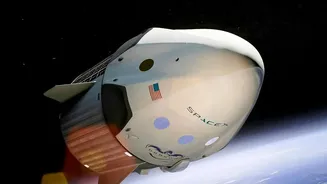
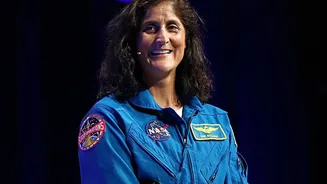
The mission features a diverse, international crew of four astronauts who will travel to the orbiting laboratory aboard the SpaceX Crew Dragon capsule, named "Grace". The crew consists of two NASA astronauts, a Canadian Space Agency (CSA) astronaut, and
a Roscosmos cosmonaut. Leading the mission is Commander Jessica Watkins, a NASA astronaut and geologist on her second spaceflight. She previously spent 170 days in space in 2022 and will be the first NASA astronaut to launch twice on a SpaceX Dragon. She is joined by NASA's Luke Delaney, serving as the pilot for his first mission. The crew is rounded out by two rookie mission specialists: Joshua Kutryk of the Canadian Space Agency, a former fighter pilot, and Roscosmos cosmonaut Sergey Teteryatnikov. This flight marks the 13th operational crew rotation mission to the ISS under NASA's Commercial Crew Program.
The Final Go for Launch
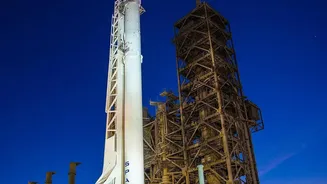
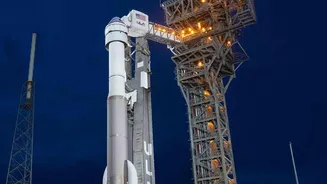
The headline-making step closer to launch was the successful completion of the Flight Readiness Review (FRR), where NASA and SpaceX mission managers gave the final 'go' for the October 1 launch. This crucial review assesses the preparedness of the rocket, the Dragon spacecraft, and all ground support systems, ensuring everything is ready for a safe mission. A previous launch attempt in September was delayed after a minor leak was discovered in the capsule's propulsion system during checkouts, but mission managers have since cleared the spacecraft for flight. The mission is targeting liftoff for 11:10 a.m. EDT from Cape Canaveral Space Force Station in Florida. The only remaining uncertainty is weather, with current forecasts showing a 55% chance of favorable conditions at launch time.
An Ambitious Six-Month Mission
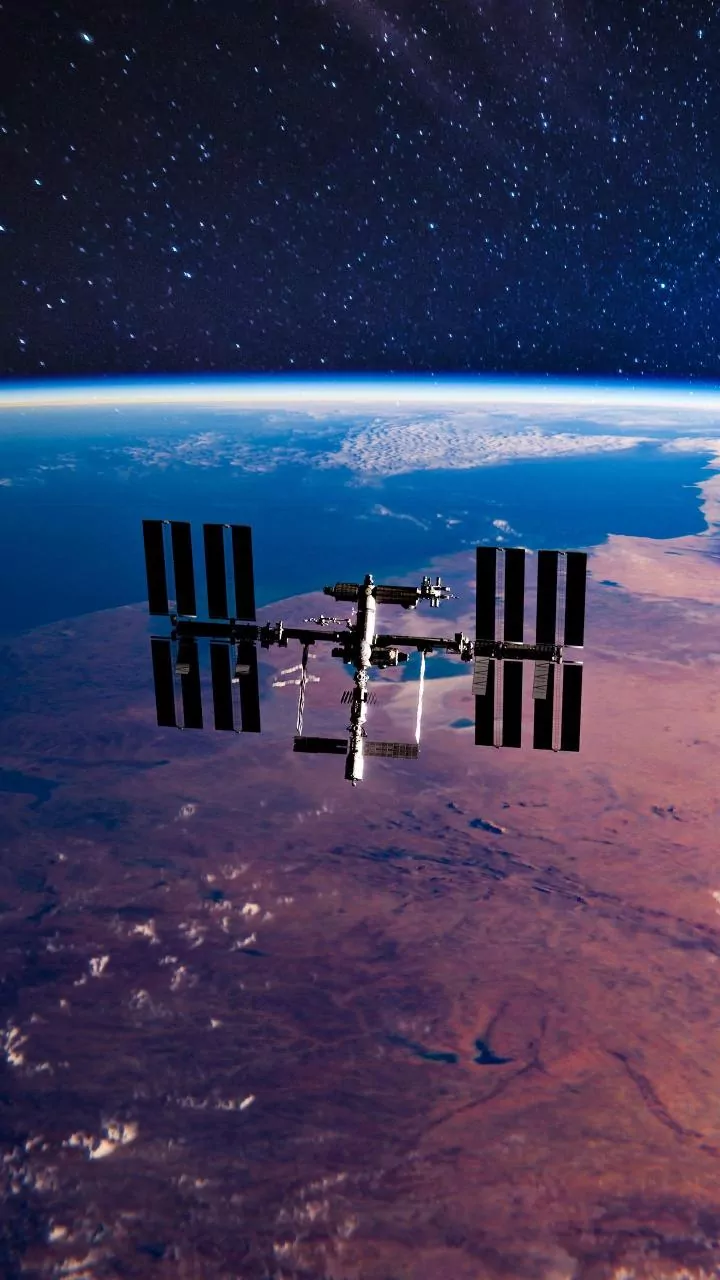
Once docked with the ISS, the Crew-13 astronauts will join the Expedition 75 crew for a mission lasting roughly six months. Their stay will be packed with scientific research and technology demonstrations designed to benefit life on Earth and prepare for future long-duration missions to the Moon and Mars. Key experiments include studying human stem-cell-derived tissues to advance treatments for diseases like Parkinson's and heart disease. They will also conduct research into crop production in microgravity, which is vital for sustaining crews on longer voyages into deep space. Furthermore, the crew will help scientists better understand blood flow abnormalities seen in space and test new medical diagnostic equipment.
A New Era of Space Travel
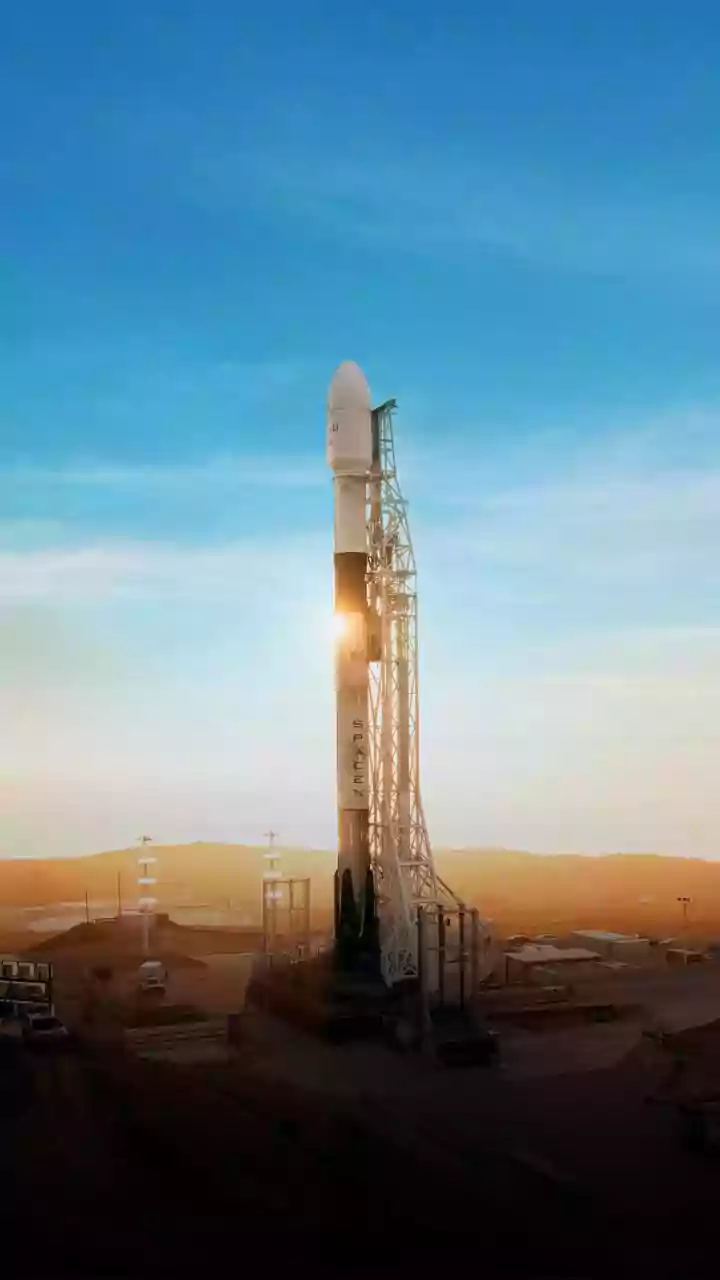
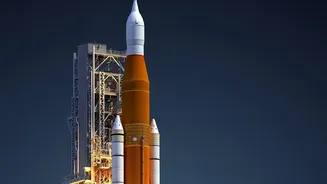
The Crew-13 mission highlights the continued success of NASA's partnership with private industry. The Commercial Crew Program, which utilizes SpaceX's Falcon 9 rocket and Crew Dragon capsule, has restored the United States' ability to launch astronauts from American soil since its first operational flight in 2020. This mission will use a flight-proven Falcon 9 booster that has previously launched another crew and a Starlink satellite mission. The journey to the station is expected to be swift; if all goes as planned, the Crew Dragon will dock just under eight hours after liftoff, potentially setting a new record for the fastest trip to the ISS by a U.S. spacecraft. Upon their arrival, the Crew-13 astronauts will have a brief handover with the four members of Crew-12, who have been on the station since February and are preparing for their return to Earth.