





Start With Your Eyes
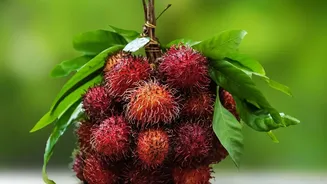
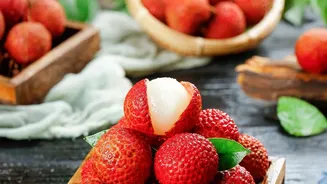
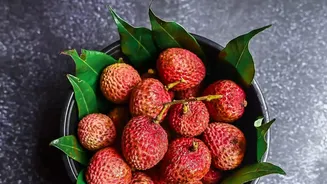
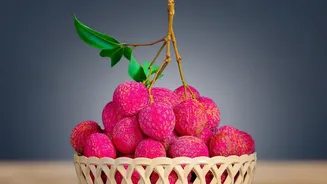
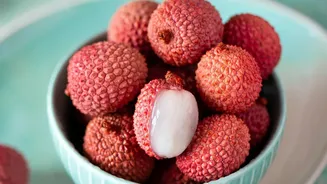
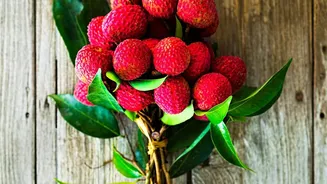
Your first assessment begins with a simple visual scan. Look for lychees with vibrant, bright skin. For most common varieties, this means a lively pink or reddish hue. While some types can be more orange or even have yellow tones, you should generally
avoid those with large brown patches or a dull, dark appearance, as this often indicates the fruit is past its prime. A healthy lychee should be about one inch in diameter or larger. Steer clear of any fruits that are cracked, leaking juice, or showing visible signs of mould. Remember that lychees do not ripen after being picked, so what you see is what you get. Choosing a bright, unblemished fruit is your first step toward lychee perfection.
Trust Your Touch
Once a lychee has passed the eye test, it's time to pick it up. Gently squeeze the fruit between your thumb and forefinger. A perfectly ripe lychee should be firm but have a slight spring to it. If it feels rock-hard, it’s likely unripe and won't have developed its full, sweet flavour. Conversely, if it feels overly soft, mushy, or wet, the fruit is probably overripe and may have started to ferment or spoil. The bumpy skin should feel tight and intact, not loose or soggy. This balance of a firm exterior with just a little give is the textural sweet spot you’re looking for, promising a plump, juicy interior.
Follow Your Nose
Your sense of smell is a powerful tool in selecting the best produce, and lychees are no exception. Bring the fruit close to your nose, ideally near the stem. A ripe, fresh lychee will have a distinct sweet and floral aroma. Some people describe it as a mix of grape and rose. This fragrant scent is a strong indicator of the delicious flavour waiting inside. If you don't smell anything, the fruit may be old or underripe. An even bigger red flag is a sour, fermented, or vinegar-like odour. If a lychee smells anything like alcohol, it has gone bad and should be avoided entirely.
Feel the Weight
The final part of this multi-sensory test is assessing the fruit's weight. Pick up a few similarly sized lychees and compare how they feel in your hand. A good lychee should feel heavy for its size. This heft is a direct indication of its water content. A heavier fruit means it is dense with juice, promising that signature burst of sweet, flavourful liquid when you peel it. A lychee that feels surprisingly light is likely dehydrated and will have a drier, less satisfying flesh. This simple test, combined with the others, helps you filter out the disappointing fruits before you even get them home.
Bringing Your Perfect Lychees Home
Once you've used your senses to select the best bunch, proper storage is key to maintaining their quality. Since lychees are perishable, they should be refrigerated if you don't plan to eat them within a day or two. Place them in a plastic bag or a sealed container in the fridge; this will help them stay fresh for up to a week. It’s normal for the skin to turn a bit brown in the cool, dry air of the refrigerator, but this typically does not affect the taste of the fruit inside. For longer storage, you can even peel, de-seed, and freeze them for a refreshing treat later on.