




As India fortifies its space capabilities, the focus sharpens on the next wave of navigation satellites. While NVS-03 remains on the horizon, its eventual launch is part of a grander strategy to modernise and expand our indigenous GPS.
Understanding the NVS Series
The NVS series of
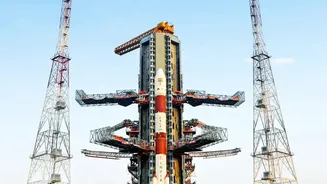
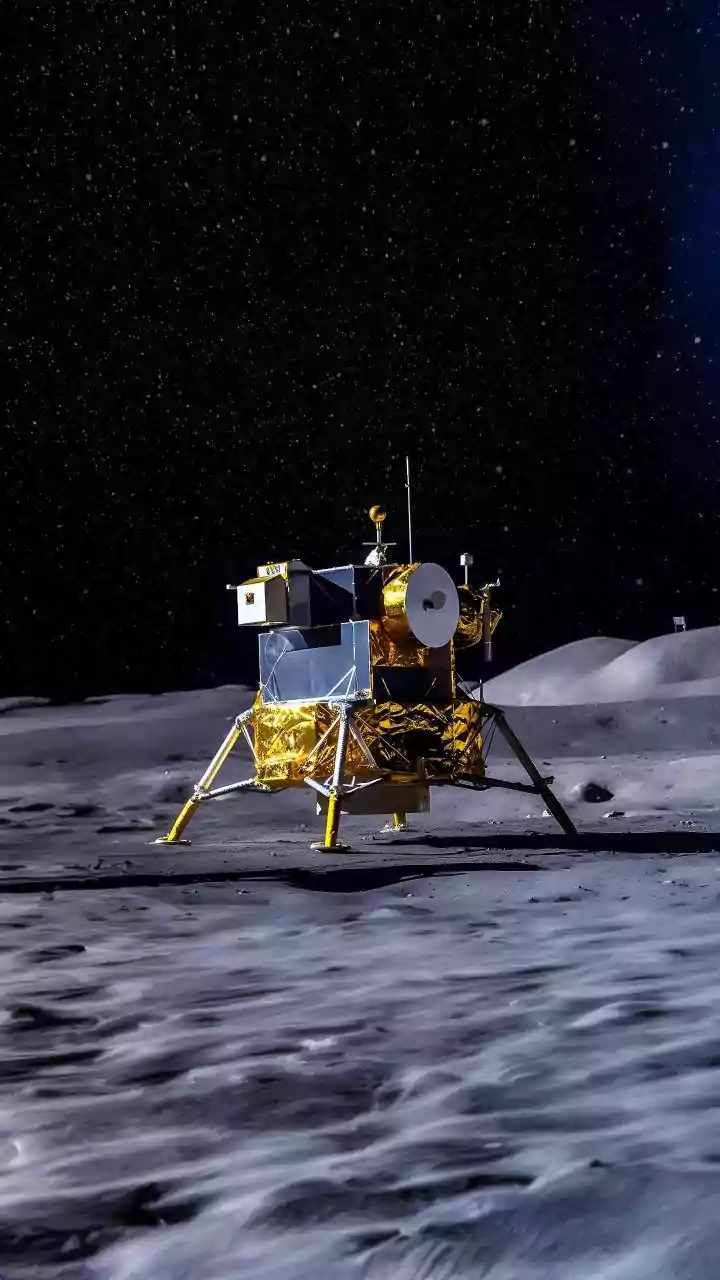
satellites represents the next generation of spacecraft designed to power India’s indigenous navigation system, NavIC (Navigation with Indian Constellation). While the headline points to NVS-03, it's important to see it as part of a larger, phased upgrade. ISRO plans to launch a constellation of five of these advanced satellites—NVS-01 through NVS-05—to replace and enhance the original first-generation IRNSS (Indian Regional Navigation Satellite System) satellites. The primary goal is to ensure the continuity and improvement of NavIC services, which are critical for both civilian and military applications. The first of this new generation, NVS-01, was successfully launched back on May 29, 2023, aboard a GSLV rocket. This initial launch was a significant milestone, setting the stage for the deployment of its successors. Therefore, while NVS-03 is indeed yet to be launched, its journey is part of a well-defined roadmap.
The Crucial Role of NavIC
NavIC is India's answer to foreign-owned Global Positioning Systems (GPS). It is designed to provide accurate real-time positioning and timing services over India and a region extending approximately 1,500 kilometres around the mainland. This capability is a cornerstone of India's strategic autonomy, reducing reliance on the US-owned GPS, Russia's GLONASS, or Europe's Galileo systems. NavIC provides two levels of service: the Standard Positioning Service (SPS) for all users and a Restricted Service (RS) that is encrypted for authorised users, such as the military. The system is vital for disaster management, vehicle tracking, fleet management, and terrestrial, aerial, and marine navigation. The push to upgrade the constellation with the NVS series underscores the system's growing importance in national security and economic development.
What Makes the NVS Satellites Better?
The second-generation NVS satellites are a significant leap forward. Unlike their predecessors, they are designed for a longer mission life of more than 12 years. One of the most important upgrades is the inclusion of an indigenous rubidium atomic clock. This is a critical component for providing precise location data, and its domestic development on NVS-01 was a major achievement for Indian science, especially since failures in imported atomic clocks had hampered some of the original IRNSS satellites. Furthermore, the NVS series transmits signals in an additional band, L1, besides the L5 and S bands used by the first generation. The L1 band is one of the most commonly used frequencies for GPS worldwide, and its inclusion will significantly increase the interoperability of NavIC with other global systems and broaden the use of NavIC_compatible devices for civilian use.
The Road Ahead: NVS_02 and Beyond
With NVS_01 already in orbit, ISRO's immediate focus has shifted to the next satellite in the series, NVS_02. As of early 2024, work was well underway on this second satellite. Although a precise launch date for NVS_02 in 2026 has not been officially announced, it is the next logical step in the constellation's augmentation. The plan is to launch a total of five NVS satellites to fully modernise the NavIC network. The project to develop the four subsequent satellites, from NVS_02 to NVS_05, has a dedicated budget, highlighting the government's commitment to the program. NVS_03, the satellite named in the headline, will follow NVS_02. While its launch is not imminent, its development is part of this clear, sequential plan. Each launch will bring India closer to a more robust, reliable, and globally compatible indigenous navigation system.