
Why We Shy Away from Structured Sport
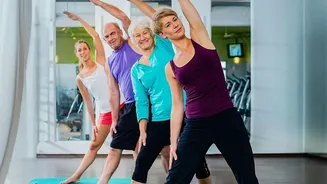
For many, the biggest hurdle to getting active isn't physical; it's psychological. Structured environments like gyms or competitive sports classes can trigger feelings of anxiety, self-consciousness, and a fear of not keeping up. The pressure to perform,
master complex choreography, or compare oneself to others can overshadow any potential enjoyment. This is often compounded by a lack of confidence or previous negative experiences. This perceived need for a certain level of competence just to participate can prevent many from starting at all.
The Freedom of Unstructured Activity
Unstructured activity, on the other hand, is movement that is self-directed and spontaneous. It's about following your own interests and pace without predetermined rules or adult supervision. This approach shifts the focus from performance to enjoyment. When you’re moving for the fun of it, you’re more likely to experience a state of “flow,” which is a powerful stress reliever. This kind of play fosters creativity, improves problem-solving skills, and enhances overall fitness without feeling like a chore. It's about personal progress, not public performance.
Reconnect with the Outdoors
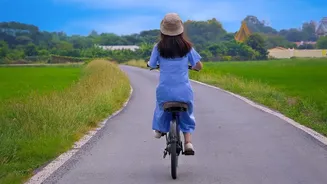
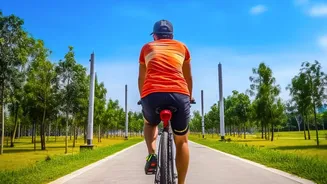
One of the most accessible alternatives is simply heading outside. Walking is a popular and effective low-impact exercise that requires nothing more than a good pair of shoes. You can easily control the intensity by choosing a hilly route or picking up the pace. Hiking on local trails offers similar benefits with the added bonus of scenery and a connection to nature, which can improve mental well-being. Kayaking is another great option that provides an excellent workout for the arms, back, and core while being gentle on the joints.
Move to Your Own Rhythm
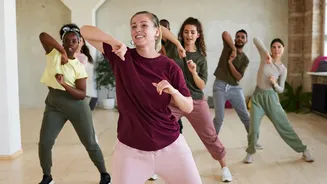
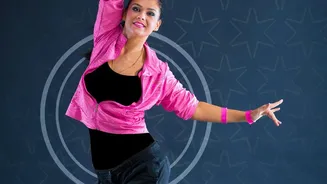
If you find joy in music, dance can be a fantastic way to get your heart rate up. This doesn't require a formal class. Simply putting on your favourite music at home and dancing can be a powerful and liberating form of exercise. If you do want a little structure without the high-pressure environment, look for beginner-friendly or community-based dance classes like Zumba or salsa, where the emphasis is on having fun and moving your body, not perfect technique. The social aspect can also be a great motivator.
Turn Chores into Workouts
You don't always need to set aside dedicated time for exercise. Many daily activities can contribute to your fitness goals. Gardening, for instance, is an excellent low-impact activity that builds strength, endurance, and flexibility. Raking, digging, and watering can burn a surprising number of calories. Even vigorous household chores can count towards your daily movement. The key is to see these tasks not as obligations, but as opportunities to move your body in a functional and productive way.
Find Your Playful Side
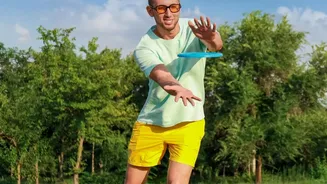
Embracing activities that feel like play is a sustainable way to stay active. Indoor rock climbing or bouldering, for example, is often described as problem-solving with your body, building strength and patience. Many climbing gyms have a welcoming atmosphere for beginners. Social sports in a park, like frisbee or badminton, also provide exercise in a fun, low-stakes setting. The goal is participation and enjoyment, which helps build positive associations with being active.