


When you think of Bihar, the historic trail of Bodh Gaya, Nalanda, and Rajgir often comes to mind. But beyond the well-trodden path lies a state brimming with serene landscapes and hidden gems that offer a more intimate travel experience.
The Wild Heart: Valmiki Tiger Reserve
Tucked away in
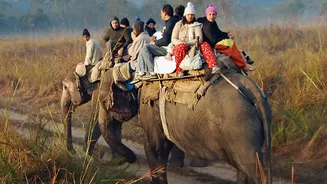
West Champaran, bordering Nepal, Valmiki is Bihar’s only tiger reserve. It's a world away from bustling cities, offering a raw, untamed wilderness of sal forests, sprawling grasslands, and the Gandak River. Safaris here are quieter and less commercial, providing a chance to see tigers, leopards, and over 250 bird species. Visiting Valmiki supports conservation and offers a glimpse into the Tharu community's unique culture, reminding us that travel can be about more than just sights; it can be about preserving ecosystems.
The Hilltop Sentinel: Rohtasgarh Fort
Perched atop a hill in the Kaimur range, the sheer scale of Rohtasgarh Fort is breathtaking. This ancient structure, with a history stretching from Raja Harishchandra to Sher Shah Suri, is a trekker’s delight. The climb up its limestone steps reveals a sprawling complex of palaces, temples, and mosques in ruins. Exploring its vast, quiet grounds feels like stepping into a history book. It’s a testament to the idea that the journey, especially one that requires effort, makes the destination more rewarding.
The Serene Cascade: Kakolat Falls
In Nawada district, Kakolat Falls is a stunning waterfall that cascades from a height of about 160 feet into a natural reservoir. Surrounded by lush greenery, it’s a picturesque spot perfect for a day of relaxation. The water is refreshingly cool year-round, making it a popular local escape. Choosing a spot like Kakolat means trading crowded tourist hubs for the simple pleasure of nature's company, where the sound of falling water is the only thing on the agenda.
The Ancient Echo: Barabar Caves
Located in the Jehanabad district, the Barabar Caves are the oldest surviving rock-cut caves in India, dating back to the Mauryan Empire in the 3rd century BCE. Carved from monolithic granite, their most astonishing feature is the mirror-like polish of the interior walls, a testament to ancient craftsmanship. Standing inside these silent, echo-filled chambers—which inspired the 'Marabar Caves' in E. M. Forster's 'A Passage to India'—is a humbling experience connecting you to millennia of history.
The Peak of Peace: Griddhakuta Peak, Rajgir
While Rajgir is a major tourist hub, Griddhakuta, or Vulture's Peak, offers a quieter spiritual retreat. This was one of Lord Buddha's favourite meditation spots and the site of many of his sermons. The climb or ropeway journey to the top is rewarded with panoramic views and a profound sense of peace at the Vishwa Shanti Stupa. It’s a reminder that even within popular destinations, seeking out smaller, significant spots can lead to a more personal and reflective experience.
The Hidden Oasis: Telhar Kund, Kaimur
Deep within the Kaimur Hills lies Telhar Kund, a stunning waterfall that plunges into a clear, deep pool. This spot is a true hidden gem, perfect for nature lovers and photographers. The journey through winding roads and forest cover is part of the adventure. A visit here is a vote for hyperlocal tourism, discovering places cherished by locals for their raw beauty rather than their tourist infrastructure.
The EcoFriendly Escape: Ghorakatora Lake
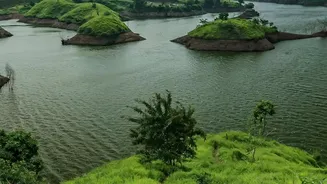
Near Rajgir, Ghorakatora Lake is a manmade marvel of ecotourism. Surrounded on three sides by hills, this serene lake is a zeroemission zone, accessible only by horsedrawn carts, erickshaws, or bicycles. The highlight is a towering 70foot statue of a meditating Buddha in the middle of the lake. Paddling on the quiet waters offers a tranquil break, proving that sustainable slow travel can be both beautiful and deeply restorative.
The Artistic Soul: Manjusha Art of Bhagalpur
A trip doesnt always have to be about a place ; it can be about a living tradition. In Bhagalpur , seek out Manjusha art , a vibrant folk painting style known for its narrative panels and distinct motifs , especially serpents . Unlike the more famous Madhubani art , Manjusha is a sequential art form that tells the story of BihulaBishahari . Engaging with this art , which recently received a GI tag , supports local artisans and offers a deep dive into the region s unique cultural fabric.