

What is Rhythmic African-Inspired Training?
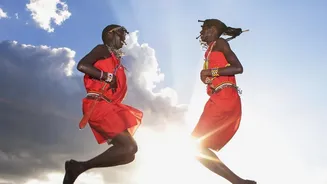
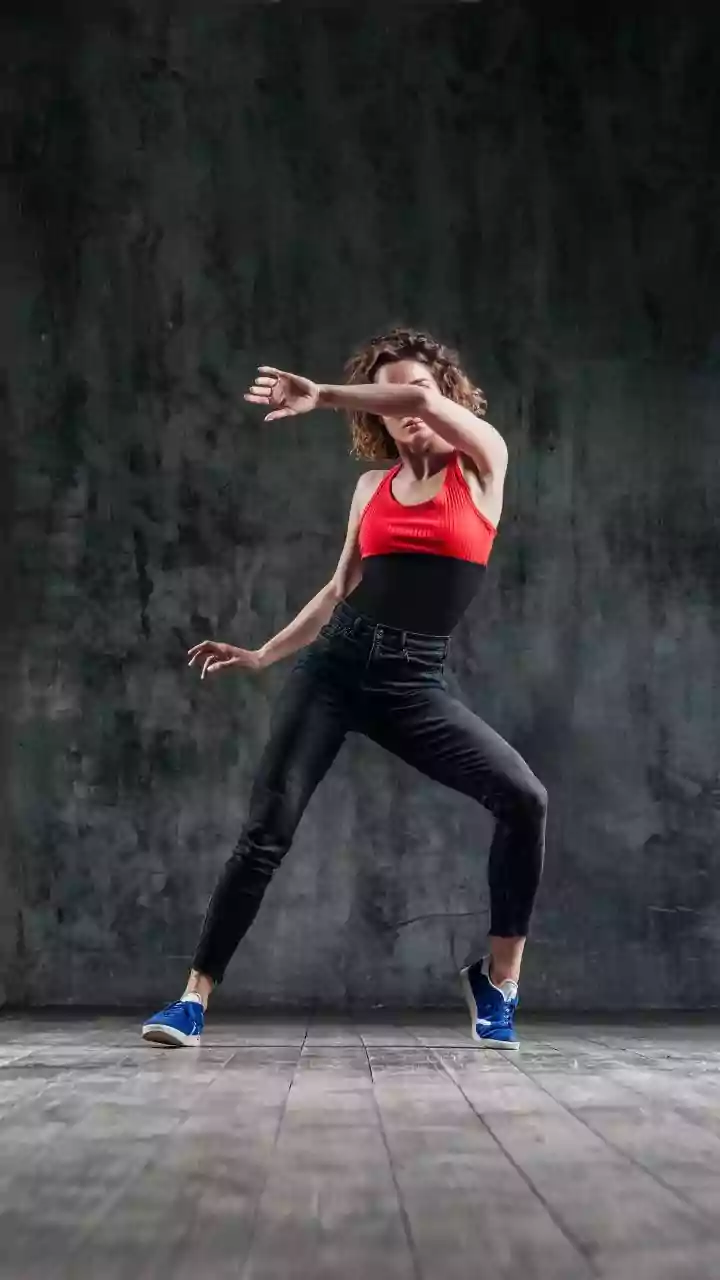
Imagine a workout that feels more like a celebration than a chore. That’s the essence of African-inspired rhythmic training. It’s a holistic approach to fitness that blends traditional and contemporary African dance movements with strength-building exercises.
This isn't about simply following a set of reps; it's about connecting with the music, moving your body with intention, and engaging multiple muscle groups simultaneously. Routines often feature dynamic, flowing movements that build strength, improve flexibility, and boost cardiovascular health all at once. From the intricate shoulder work found in West African dances to the powerful arm movements that mimic drumming, these exercises offer a functional and engaging way to sculpt your upper body without needing a gym full of equipment.
The Advantage of a Rhythmic Workout
The benefits of this fitness style go far beyond aesthetics. While consistent practice will certainly tone your arms, shoulders, and back, the rhythmic nature of the workout provides unique advantages. Firstly, it enhances mind-body coordination as you learn to synchronize your movements to the beat. This improves your agility, balance, and spatial awareness. Secondly, these workouts are a fantastic cardiovascular challenge. The constant motion keeps your heart rate elevated, burning calories and improving endurance in a way that feels fun and sustainable. Many of the movements also require significant core engagement to maintain stability, meaning your abs get a great workout too. Perhaps most importantly, the joyful and expressive nature of dance-based fitness can be a powerful mood booster, helping to reduce stress and make exercise something you genuinely look forward to.
Key Movements for Your Upper Body
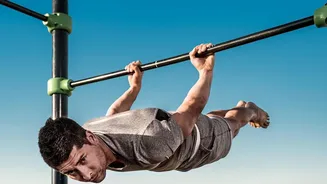
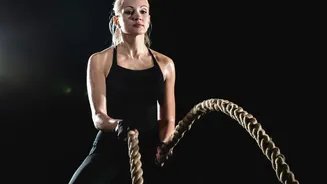
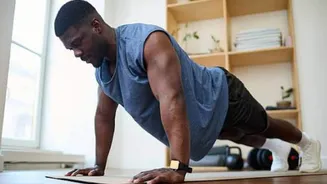
African-inspired workouts utilise a variety of movements that specifically target the upper body. These often involve bodyweight exercises or the use of light resistance. For instance, many routines include dynamic arm sequences where you push, pull, and circle your arms in time with the music, engaging the deltoids, biceps, and triceps. Chest pops and shoulder isolations, common in many Afrobeats choreographies, are excellent for building mobility and control in the pectoral muscles and rotator cuffs. Some workouts incorporate the motion of drumming, a powerful exercise that strengthens the entire arm and shoulder girdle. Even simple bodyweight moves like push-ups and planks are given a cultural twist, sometimes with staggered hand positions to add intensity and challenge different muscle fibres.
More Than Just Exercise
Embracing this workout style is also an opportunity to connect with a rich cultural tradition. The movements are not random; they are rooted in the history and cultural expression of diverse African communities. This adds a layer of depth and meaning to your fitness routine that you won’t find on a treadmill. It transforms the act of exercising into a form of learning and appreciation. It’s a chance to celebrate global cultures while achieving your fitness goals. This connection can be a powerful motivator, providing a sense of purpose that keeps you coming back to the workout long after the initial novelty has worn off.
How to Get Started
Getting started is easier than you might think. Many fitness instructors and online platforms now offer classes specifically labelled as "Afrobeats Fitness," "Afro Dance Sculpt," or similar names. These classes are designed for all levels, so you don't need any prior dance experience. Look for instructors who explain the cultural context of the movements. If you prefer to start at home, you can find numerous follow-along workout videos online. All you need is some space to move, an energetic Afrobeats playlist, and an open mind. Start with the basic movements, focus on feeling the rhythm, and don't worry about getting every step perfect. The goal is to move your body and have fun.