






The Core Philosophy: A Sattvic Diet
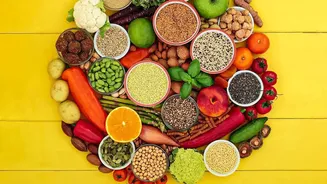
The dietary customs of Sawan are deeply connected to the principles of a sattvic diet, a concept from Ayurveda. Sattvic foods are believed to be pure, light, and calming, promoting mental clarity and spiritual focus. In contrast, foods classified as rajasic
(stimulating) or tamasic (heavy or dulling) are avoided. This philosophy is combined with practical wisdom for the monsoon season, when digestion is considered to be weaker and the risk of foodborne illnesses is higher. While fasting rules can vary by region and family, a few key food groups are commonly excluded to align with these principles.
Non-Vegetarian Foods, Including Eggs
One of the most widely followed rules is the complete avoidance of non-vegetarian food, including meat, fish, and eggs. This practice is rooted in the principle of non-violence and is seen as a way to maintain spiritual purity during the sacred month. Additionally, the monsoon season, which coincides with Sawan, is the breeding period for many animals, making the consumption of meat and fish traditionally seen as less hygienic. Eggs are typically excluded as many Hindu traditions consider them non-vegetarian.
Onion and Garlic
You will notice that most fasting recipes and temple foods prepared during Sawan are made without onion and garlic. According to Ayurveda, these alliums are classified as rajasic and tamasic. They are believed to generate heat in the body and stimulate the senses, which can lead to restlessness and distract from a calm, meditative state. Devotees aim for mental tranquility, and avoiding these pungent ingredients is believed to support that goal.
Common Grains and Lentils
Many fasting traditions during Sawan involve abstaining from common grains like wheat, regular rice, and all-purpose flour (maida). Most lentils (dals) and legumes like chickpeas and kidney beans are also avoided. These foods are considered heavy and can be harder to digest, which goes against the goal of keeping the body light. Instead, special fasting-friendly flours and grains are used, such as buckwheat flour (kuttu), water chestnut flour (singhara), amaranth (rajgira), and barnyard millet (samak rice).
Regular Table Salt
During Sawan fasts, regular iodised table salt is replaced with sendha namak, or rock salt. Regular salt is considered a processed food, while rock salt is in its purer, unprocessed form, making it more suitable for vrat (fasting) meals. Sendha namak is also believed to be cooling in nature and helps in maintaining the body's electrolyte balance during a fast.
Certain Vegetables, Especially Leafy Greens
Some vegetables are traditionally avoided, not for spiritual reasons, but for practical, seasonal ones. During the heavy monsoon rains, leafy green vegetables like spinach and fenugreek are more prone to harbouring insects, larvae, and mud, making them difficult to clean thoroughly. Similarly, brinjal (eggplant) is also often skipped as it is known to be susceptible to worms during this season. These ancient precautions helped prevent foodborne illnesses long before modern refrigeration and cleaning methods were available.
Alcohol, Tobacco, and Processed Foods
To maintain purity of mind and body, alcohol and tobacco products are strictly forbidden during Sawan. They are considered impure and are seen as obstacles to spiritual discipline. In a similar vein, processed, packaged, and deep-fried junk foods are also avoided. The emphasis is on fresh, homemade meals that are simple and easy to digest, which is especially important when the digestive system is considered more sensitive during the monsoon.