





Beyond the Calorie Count
Let's be clear from the start: toe-tapping exercises are not a shortcut to torching calories. While any movement contributes to energy expenditure, the primary benefits here are not about weight management or high-intensity cardio. Instead, their value
lies in the subtle but powerful impact on our nervous system and muscular control. These low-impact movements are accessible to almost everyone, regardless of fitness level, and can be done anywhere without a single piece of equipment. They are gentle on the joints, making them an excellent choice for those new to exercise, recovering from injury, or simply seeking a way to stay active safely.
The Brain-Body Connection
The core benefit of toe-tapping exercises is their ability to improve coordination, balance, and proprioception—your body's awareness of its position in space. When you perform these rhythmic taps, you are actively training your brain and muscles to communicate more effectively. This neuromuscular coordination is crucial for everything from walking steadily to preventing falls, an especially important consideration for older adults. Regularly engaging in these drills can strengthen the muscles in the feet and lower legs, particularly the anterior tibialis, which is vital for ankle stability and helps prevent conditions like shin splints. This builds a foundation of stability that supports all other physical activities.
How to Perform Basic Toe Taps
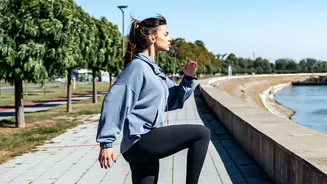
The beauty of toe taps lies in their simplicity. You can perform them while seated or standing.Seated Toe Taps: Sit tall in a sturdy chair with your feet flat on the floor. Keeping your heels on the ground, lift the toes and forefoot of both feet, then tap them back down. You can tap both feet simultaneously or alternate them. For a greater challenge to coordination, try tapping your right toes and left heel at the same time, then switch. Focus on a steady, controlled rhythm.Standing Toe Taps: Stand with your feet hip-width apart. You can hold onto a chair or wall for support if needed. Simply lift one foot and tap your toes on the ground in front of you, then return it to the start and repeat with the other foot. The goal is to maintain balance on the standing leg while precisely controlling the tapping foot.
Challenge Your Coordination
Once you're comfortable with the basics, you can introduce variations to further challenge your coordination. The 3-Way Toe Tap is an excellent progression. While balancing on one leg, slowly bend the standing knee slightly and reach your other foot forward to tap the floor. Bring it back to the centre, then tap it out to the side, and finally, tap it behind you. Repeat this sequence several times before switching to the other leg. This forces the stabilizing muscles in your standing leg and core to work harder while demanding precise control of the moving leg. Another variation is to alternate toe taps with heel taps, which engages different muscles and requires more mental focus.
Making It a Daily Habit
You don't need to set aside a full workout session for toe taps. Their convenience is their superpower. Incorporate them into your daily routine by doing a few minutes while you're seated at your desk to break up long periods of sitting and improve circulation. Perform them while watching television or waiting for water to boil in the kitchen. They also serve as an excellent dynamic warm-up before a walk or a more strenuous workout, as they prepare the ankles and lower leg muscles for activity. The repetitive, rhythmic nature of the movement can also have a calming effect, helping to reduce stress. Consistency is more important than intensity; just a few minutes each day can lead to noticeable improvements in your balance and control over time.