






A Landmark Moment in Indian Television
When Kaun Banega Crorepati (KBC) first aired on July 3, 2000, Indian television was at a crossroads. The idea of a high-stakes quiz show airing on primetime was a huge gamble. Adapted from the British hit 'Who Wants to Be a Millionaire?', KBC was an expensive
production, costing nearly ten times more than other shows of its era. Skeptics wondered if the format would resonate with Indian audiences, but the decision to bring in Amitabh Bachchan, a megastar of Hindi cinema making his television debut, proved to be a masterstroke. The show wasn't just an instant success; it was a revolution. It shattered viewership records, with families across the nation gathering around their television sets, captivated by the drama, knowledge, and life-changing sums of money on offer. Streets would empty, and the show's iconic tune became the soundtrack of a new Indian dream.
The Bachchan Factor
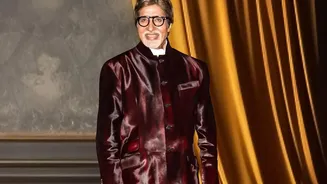
It is impossible to separate KBC from Amitabh Bachchan. While the original British show had a presenter, KBC had an icon. At a time when his film career was facing a slump and he was navigating financial difficulties, Bachchan took a leap of faith into television. The move not only revived his career but also redefined celebrity hosting in India. He was not just a host; he was a guide, a confidant, and a paternal figure to every contestant. His command over both Hindi and English, his empathetic engagement with participants' personal stories, and his signature phrases like “Lock kiya jaaye?” and addressing the machine as “Computer-ji” transformed the show from a tense quiz into a warm, human experience. Even when Shah Rukh Khan hosted the third season, the ratings saw a dip, cementing the fact that Bachchan was, and remains, the soul of KBC.
A Platform for the Common Person
Unlike many celebrity-driven shows, the true stars of KBC have always been the contestants. The show democratised opportunity, offering a platform to ordinary Indians from all walks of life—teachers, farmers, students, and small-business owners. The hot seat became a symbol of hope, a place where knowledge, not background, was the currency. The audience heard stories of struggle, aspiration, and resilience, making the show deeply relatable. The winnings were often life-altering, funding education, medical treatments, new homes, and entrepreneurial dreams. The journey of winners like Harshvardhan Nawathe, the very first crorepati, or Sushil Kumar, the first to win five crores, became national news, reinforcing the show's core message: anyone can achieve the extraordinary.
An Enduring Cultural Legacy
Over more than two decades and numerous seasons, KBC has done more than entertain; it has become woven into India's cultural fabric. It became a shared family ritual, bringing generations together and making general knowledge a topic of dinner-table conversation. The show’s success spawned numerous versions in other Indian languages and inspired countless other quiz formats, but none have matched KBC's scale or emotional connection. Its influence extended globally, with the show's premise forming the backdrop for the novel 'Q & A', which was later adapted into the Oscar-winning film 'Slumdog Millionaire'. By seamlessly blending a global format with local sensibilities—drawing questions from Indian mythology, history, and pop culture—KBC became a uniquely Indian phenomenon.