





Malaysia is positioning itself as a major player in the global artificial intelligence race. A recent announcement by Prime Minister Anwar Ibrahim about a potential blockbuster investment from Japan's SoftBank has sent waves through the region's tech
scene.
The Landmark Announcement
Malaysian Prime Minister Anwar Ibrahim recently announced that SoftBank Group is planning a massive investment in the country, potentially reaching $50 billion. This declaration came after a video conference between the Prime Minister and SoftBank's founder, Masayoshi Son. The focus of this ambitious plan is to bolster Malaysia's artificial intelligence capabilities, along with investments in other emerging technologies and the development of state-of-the-art data centres. While SoftBank itself has not officially confirmed the $50 billion figure, it acknowledged it is exploring business opportunities in the country. The announcement signals a significant step in Malaysia's strategy to become a leading AI nation by 2030.
A Strategic Three-Way Partnership
The foundation for this potential investment was laid earlier in October with a framework agreement between three key players: SoftBank, ride-hailing and services giant Grab, and the state-owned energy company Petroleum Sarawak (Petros). This memorandum of understanding outlines a collaborative effort to explore the development of a comprehensive AI and digital infrastructure platform. The division of labour is clear: SoftBank will provide expertise in AI technology, infrastructure design, and fundraising; Grab will contribute its vast customer base across Southeast Asia; and Petros will manage the crucial energy supply needed to power these new facilities. This synergistic approach aims to create a robust ecosystem for AI development.
Sarawak: The Energy-Rich Hub
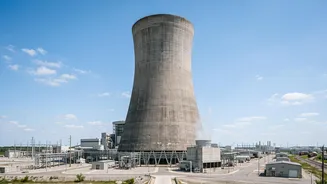
A significant focus of the proposed investment is the state of Sarawak, on the island of Borneo. Prime Minister Anwar specifically mentioned Kuching, Sarawak's capital, as a key location. Sarawak is strategically important due to its abundant and diverse energy sources, including hydropower and natural gas. This is a critical factor, as large-scale AI data centres are notoriously power-hungry. By leveraging Sarawak's energy resources, the project aims to ensure a sustainable and reliable power supply for the immense computational needs of AI infrastructure, making it an attractive base for such a large-scale project.
More Than Just Data Centres
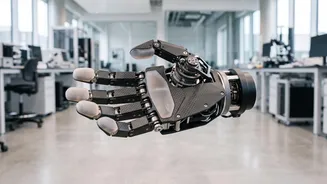
The plan extends beyond just physical infrastructure. The framework agreement also includes provisions for developing local talent and exploring the deployment of robotics and other AI_related services. This holistic approach recognizes that building a successful AI ecosystem requires not only hardware but also skilled human capital. By investing in workforce development, the partnership aims to create higher_skilled job opportunities for Malaysians and ensure the long_term sustainability of its AI ambitions. The goal is to transition Malaysia's tech sector from back_end assembly to front_end innovation.
Malaysia's Bid to Become a Regional Tech Power
This potential SoftBank investment does not exist in a vacuum. It is part of a larger trend of major tech companies pouring capital into Malaysia. Giants like Google, Microsoft, and Amazon Web Services have already committed billions of dollars to build data centres and cloud regions in the country. Between 2021 and mid_2026, Malaysia attracted approximately $94 billion in data centre_related investments. The government has been actively courting these investments with its national AI action plan, aiming to establish the nation as a neutral and stable hub for technology in Southeast Asia. If it materialises, the sheer scale of SoftBank's plan would dwarf previous commitments and cement Malaysia's status as a key destination in the global AI infrastructure race.