


What Happened on the Recent Flight?
On August 4, 2026, an Air India flight from Phuket to Delhi with 137 passengers encountered a sudden pocket of severe turbulence. The aircraft reportedly experienced a rapid altitude loss of around 300 feet, causing unbuckled passengers and crew members
to be thrown around the cabin. In total, 17 people—13 passengers and four crew members—sustained injuries and required medical attention upon landing in Delhi. Eyewitnesses described a chaotic scene where people hit the ceiling before falling back down. The incident was attributed to clear-air turbulence (CAT), a type that is invisible to pilots and radar, striking without warning.
Understanding In-Flight Turbulence
Turbulence is essentially unstable air movement caused by various conditions like atmospheric pressure changes, jet streams, thunderstorms, or air flowing over mountains. While it can feel alarming, it is a normal part of flying. Aircraft are built to withstand incredible stress and the amount of turbulence needed to cause structural damage is exceedingly rare. However, what is not rare are injuries sustained inside the cabin. The Federal Aviation Administration (FAA) reports that turbulence is the leading cause of nonfatal injuries on commercial flights. These injuries almost always happen to people who are not wearing their seatbelts.
Your First and Best Defense
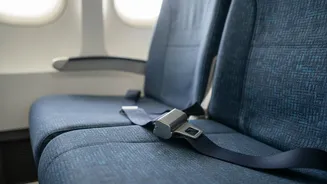
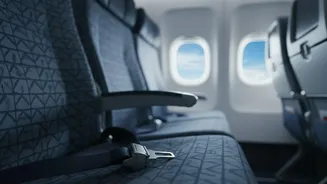
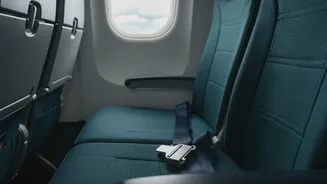
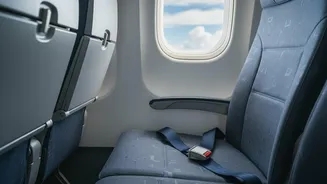
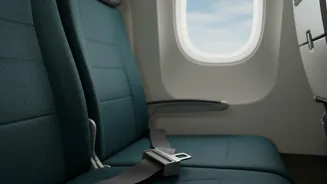
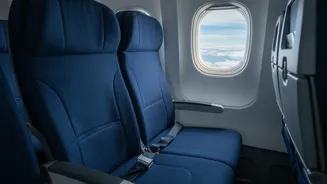
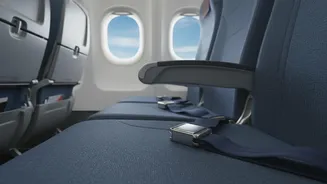
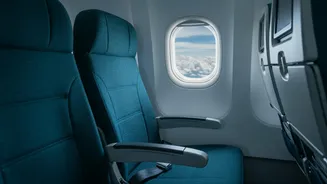
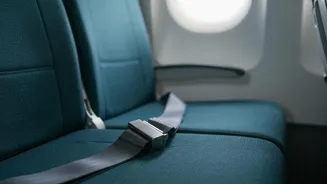
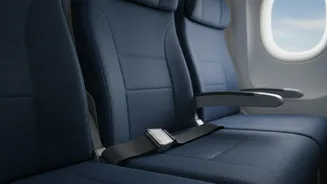
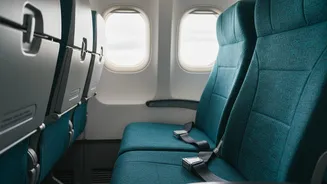
Aviation experts and regulatory bodies are unanimous in their advice: the most effective way to prevent injury from turbulence is to keep your seatbelt fastened whenever you are seated. FAA regulations require passengers to be buckled during takeoff, landing, and whenever the seatbelt sign is on. However, safety professionals take it a step further, advising that you keep the belt fastened even when the sign is off. The logic is simple: the most dangerous turbulence is often the kind that arrives unexpectedly. A loosely fastened belt is far better than no belt at all when a sudden jolt occurs. It can prevent you from being thrown from your seat, which is the primary cause of injuries like fractures, head trauma, and sprains.
The Invisible Threat of Clear-Air Turbulence
The incident involving Air India highlights the specific danger of Clear-Air Turbulence (CAT). Unlike turbulence associated with visible storm clouds, CAT occurs in clear, cloudless skies at high altitudes. It's created when bodies of air moving at different speeds meet, often near jet streams. Pilots cannot see it, and aircraft radar cannot detect it, making it an unpredictable hazard. Some studies suggest that the frequency of severe clear-air turbulence has increased significantly in recent decades, possibly due to climate change affecting wind patterns in jet streams. This growing unpredictability makes the simple act of staying buckled more important than ever.
Beyond the Buckle: Additional Safety Measures
While fastening your seatbelt is paramount, there are other steps you can take to enhance your safety. Always listen to and follow instructions from the flight crew. They are trained to manage these situations and their guidance is crucial. Ensure your carry-on luggage is securely stowed in the overhead bin or under the seat in front of you, as loose items can become dangerous projectiles during a turbulence event. If you are traveling with a child under two, the safest option is a government-approved child seat, not holding them on your lap. Choosing a seat over the wings may offer a slightly smoother ride, as the rear of the plane tends to experience more motion.