




The Traditional Season Under Pressure
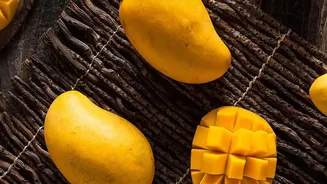
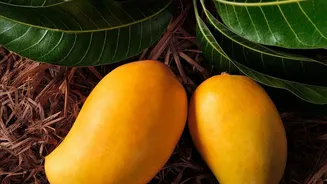
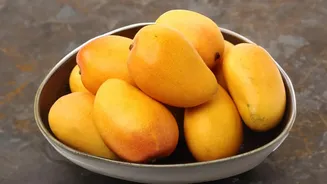
The classic Karnataka mango season runs from April to July, a period when beloved varieties like the Raspuri, Badami, and Mallika dominate markets and households. This four-month window has long dictated the rhythm of the state's mango trade, from farm
to table. However, this dependability is now being challenged. Climate volatility, including unseasonal rains during flowering and intense heatwaves, has started to disrupt this predictable cycle. These weather events can damage blossoms, affect fruit setting, and reduce overall yields, creating uncertainty for farmers and fluctuations in supply for consumers. This pressure is a key driver for exploring a more resilient and extended production model.
The Promise of Late-Season Varieties
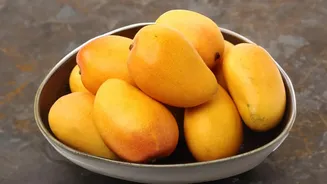
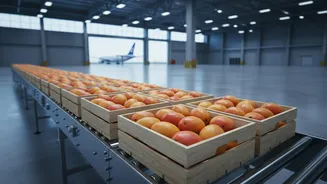
A key strategy for extending the season involves promoting mango varieties that naturally fruit later than the traditional summer crop. Varieties like Neelam are gaining prominence for their ability to produce a harvest from late June through July and sometimes even into August. These late-season mangoes offer a way to stretch the availability of fresh fruit well beyond the peak summer months. The Agricultural and Processed Food Products Export Development Authority (APEDA) has recognized this potential, recently facilitating the first air shipment of Neelam and Totapuri mangoes from Karnataka to the Maldives in late July. This not only opens new international markets but also provides farmers with significantly higher returns compared to saturated local markets, making late-season cultivation an attractive proposition.
New Hybrids and Farming Techniques
Beyond just using naturally late varieties, agricultural research institutes are developing new hybrids designed for regular, high-yield harvests. The Indian Institute of Horticultural Research (IIHR) in Bengaluru, for example, has developed varieties like Arka Suprabhath. Such innovations are part of a broader push towards modernizing mango cultivation. Farmers are also being encouraged to adopt scientific canopy management, high-density planting, and micro-irrigation systems. These techniques not only improve productivity but can also be used to manipulate flowering cycles, potentially inducing trees to bear fruit outside their normal season. While adoption of advanced methods like drip irrigation and growth regulators is still growing, they represent the future of a more controlled and less weather-dependent mango supply chain.
Economic Drivers and Market Response
The push for a broader seasonal calendar is fundamentally about economics. By extending availability, Karnataka’s mango industry can reduce the risks of a single, concentrated harvest period. A longer season helps stabilize prices, which can otherwise crash during peak supply or skyrocket during shortages. Organizations like the Karnataka State Mango Development and Marketing Corporation (KSMDMC) are actively working to connect farmers directly with consumers and new markets. Through initiatives like online portals and organized 'Mango Melas', they aim to ensure farmers get fair prices while consumers get high-quality fruit. The ability to supply mangoes when other regions cannot provides a significant competitive advantage in both domestic and export markets.
Challenges on the Path to Year-Round Mangoes
Despite the promising developments, creating a truly year-round mango supply is fraught with challenges. Off-season cultivation often requires more intensive management, including precise irrigation and pest control, which can increase costs for farmers. There is also the question of consumer acceptance and quality. Off-season mangoes must still deliver the flavour, aroma, and texture that consumers associate with their seasonal counterparts. Furthermore, encouraging widespread adoption of new varieties and farming techniques requires significant investment in training and support for growers. While multi-varietal orchards and extended harvesting are ancient practices, stabilizing them as a modern commercial strategy is a complex task that is still very much in its testing phase.