




A Hard-Won Victory
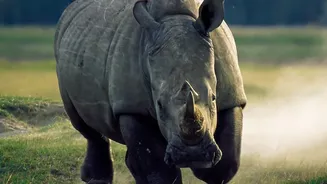
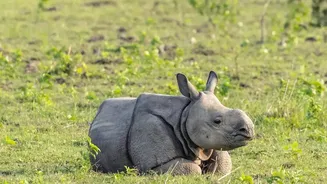
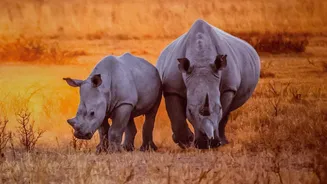
The latest census, conducted in June 2026, reveals a resilient and growing rhino population in Dudhwa. The count confirmed 17 adult males, 25 adult females, and 11 sub-adults and calves, marking a net increase of five animals even after accounting for
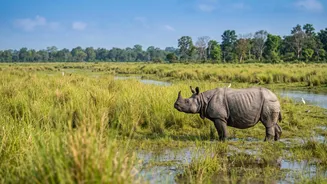
recent mortalities from natural causes like territorial fights and predation. This steady growth is a testament to the intensive, round-the-clock efforts of forest officials and conservation partners. The census itself is a massive undertaking, involving teams on elephant-back systematically combing through the dense grasslands and marshes that the rhinos call home. The final count of 53 is not just a number; it represents a hard-won victory in one of India's most ambitious wildlife reintroduction projects.
From Assam to Uttar Pradesh
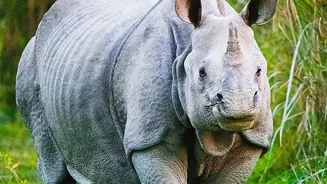
The presence of rhinos in Dudhwa is the result of a visionary conservation plan initiated four decades ago. Historically, the greater one-horned rhino roamed the vast Gangetic plains, including areas in modern-day Uttar Pradesh. However, by the early 20th century, hunting and habitat loss had wiped them out from the region. In 1984, a landmark reintroduction program began, with the aim of establishing a second viable rhino population outside their primary strongholds in Assam and Nepal. The first batch of rhinos was translocated from Assam, followed by another group from Nepal the next year, forming a small founder population of just seven animals. The initial years were fraught with challenges, including some animal losses, but the project persevered, creating a blueprint for rewilding efforts across the country.
The Science of Sanctuary
Managing Dudhwa's rhinos has been a masterclass in adaptive conservation. Initially, the reintroduced animals were kept within large, fenced enclosures called Rhino Rehabilitation Areas (RRAs) to protect them and encourage breeding. As the population grew, a second RRA was established in 2018 to provide more space. The ultimate goal, however, has always been to establish a free-ranging population. In recent years, a crucial new phase began: carefully selected rhinos were fitted with radio collars and released from the enclosures into the larger reserve. Today, 11 rhinos roam freely, a significant step towards reducing inbreeding and improving the genetic diversity of the population. This is supported by organisations like WWF-India, which assist the Uttar Pradesh Forest Department in monitoring, habitat management, and veterinary care.
More Than Just a Number
The success of Dudhwa's rhinos has benefits that extend far beyond a single species. Rhinos are considered 'ecological engineers'. As large herbivores, their grazing habits play a crucial role in maintaining the health of the Terai grasslands. By grazing on tall grasses, they help create a mosaic of habitats that support a wide variety of other species, from the critically endangered Bengal Florican to the swamp deer. A thriving rhino population is an indicator of a healthy, functioning ecosystem. Their revival in Dudhwa signifies the restoration of a vital part of the Terai landscape, an ecologically sensitive zone along the India-Nepal border that is crucial for both wildlife and human livelihoods.
The Road Ahead
The confirmation of 53 rhinos is a moment for celebration, but the work is far from over. Conservation is a continuous effort that requires constant vigilance. The threats of poaching, though controlled, always loom, requiring robust protection measures. Managing human-wildlife conflict and ensuring the free-ranging rhinos remain within safe corridors are ongoing priorities. Furthermore, to ensure long-term genetic health, conservationists may need to introduce new rhinos to prevent issues related to inbreeding within the relatively small population. The success in Dudhwa serves as a powerful model, proving that with long-term vision, scientific management, and dedicated fieldwork, it is possible to bring a species back from the brink and restore it to its historical home.