


More Than Just a Breakfast Dish
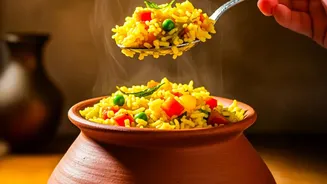
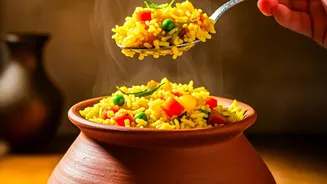
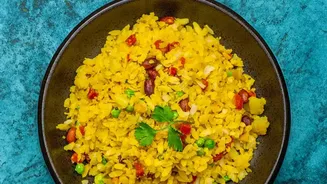
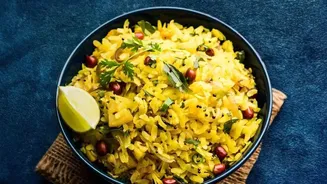
While flattened rice, or poha, is a breakfast staple across many parts of India, in Indore it transcends the breakfast plate to become a cultural symbol. Unlike its Maharashtrian cousin, Kanda Poha, where ingredients are often sautéed together, Indori
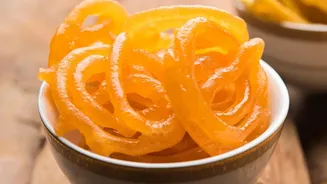
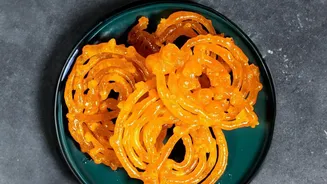
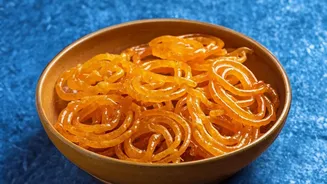
poha has a unique preparation method that sets it apart. The flattened rice is gently steamed, which results in an incredibly soft, fluffy, and moist texture that remains consistent for hours. This process is key to its beloved character. This dish is an affordable, accessible, and unifying meal, enjoyed by everyone from students to office-goers at bustling street-side stalls, often accompanied by sweet, syrupy jalebi.
The Anatomy of a Perfect Plate
The foundation of Indori poha is thick flattened rice, carefully rinsed and then steamed to perfection. A light tempering of mustard seeds, fennel seeds, curry leaves, and green chillies provides a subtle aromatic base without overpowering the dish. A hint of sugar is added to balance the flavours, giving it the characteristic mild sweet-and-spicy taste that Indore is famous for. While some versions across India might include potatoes or other vegetables fried in, the Indori style keeps the focus on the soft texture of the poha itself, using toppings for contrast and complexity.
The Essential Crunch: The Role of Sev
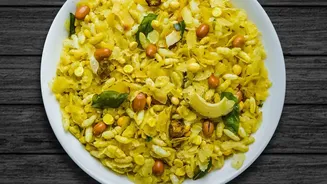
Here is where the magic truly happens. A plate of authentic Indori poha is incomplete without a generous handful of sev. This isn't just any sev; it's often the spicy, locally made Ratlami sev or a special Indori sev. This layer of crispy chickpea flour noodles provides a critical textural contrast to the soft, pillowy poha. Every spoonful becomes a delightful mix of soft and crunchy. The savoury, sometimes spicy, flavour of the sev cuts through the slight sweetness of the poha, creating a perfectly balanced bite. For many purists, serving poha without this crunchy topping is simply unthinkable. It’s the textural heartbeat of the dish.
The Zesty Finish and a Secret Spice
Just as crucial as the sev is the final squeeze of lemon. This burst of citrus brightens all the flavours, adding a tangy finish that cleanses the palate and makes the dish feel fresh and light. But there's one more element that defines the authentic Indori experience: Jeeravan masala. This unique spice blend, often a closely guarded secret recipe of vendors, is sprinkled on top just before serving. Comprising over 20 different spices like cumin, clove, black salt, and dry mango powder, Jeeravan adds a complex salty, spicy, and tangy kick that is entirely unique to the region. It's this final flourish that elevates the dish from merely good to unforgettable.
A Dish That Unites the City
Ultimately, the combination of fluffy poha, crunchy sev, zesty lemon, fresh onions, and aromatic Jeeravan masala is more than just a recipe; it's a shared experience. It’s a taste of home for Indoris and a delicious welcome for visitors. The dish originated in Maharashtra and was brought to the region by Maratha rulers like the Holkars, but Indore adopted it and made it completely its own. Today, it stands as a testament to the city's vibrant street food culture—a simple, unpretentious meal that brings people together and tells the story of a city one delicious plate at a time.