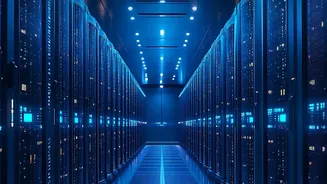








The Energy Guzzler in the Room
The engine of the AI revolution is the data centre, massive facilities packed with powerful, energy-hungry computers. Training and running AI models requires a colossal amount of electricity, and India is in the midst of an unprecedented data centre buildout.
A single large data centre can consume as much electricity as hundreds of thousands of urban Indian households. This surge in demand is putting new pressure on India's already strained power grid, which is still heavily reliant on fossil fuels and faces record peak demand during summer months. The government has ambitious plans to power this expansion with green energy, but acknowledges that meeting the 99.999% uptime required by data centres is a tall order with current renewable technology and storage capacity.
An 'AI Tax' on Your Electricity Bill?
So what does the thirst for power from data centres mean for the average family? The World Bank has issued a warning that households sharing electricity grids with data centres could end up footing a portion of their massive energy bills. This can happen in two ways. First, the sheer demand can increase the overall cost of electricity for everyone on the same grid. While data centres are commercial users and pay higher tariffs than residential ones, the immense infrastructure upgrades needed to support them—such as dedicated high-voltage lines—have costs that can be distributed among all consumers in non-transparent ways. Although states are offering incentives like electricity duty exemptions to attract data centre investment, experts caution that this could lead to higher societal costs and strain on local resources without careful planning.
Chipflation: When Your Gadgets Cost More
The hidden costs aren't just in your power bill. The AI industry's voracious appetite for high-performance memory chips, like HBM and DRAM, is creating a global supply crunch. As chipmakers prioritise these high-margin AI products, less capacity is available for the conventional memory used in everyday electronics like smartphones, laptops, and even pen drives. This phenomenon, dubbed 'chipflation', is already being felt in India. Between 2025 and 2026, prices for some memory chips surged dramatically. Consequently, the average selling price of a smartphone in India has hit record highs, while shipments of budget-friendly phones have plummeted. While the direct impact on overall inflation is currently small due to the low weightage of these items in the Consumer Price Index, it's a tangible price increase for any household looking to buy new electronics.
The Personal Cost of Upskilling
The final hidden cost is a personal one. As AI continues to automate tasks and reshape industries, the need for workers to acquire new skills has become urgent. This has created a booming market for AI and Machine Learning courses. For many professionals, staying relevant means investing their own money into upskilling. The fees for these courses in India can be substantial, ranging from around ₹20,000 for short-term online certificates to over ₹5,00,000 for advanced postgraduate programs. While companies are investing in AI talent, the individual burden of paying for certifications, diplomas, and executive programs represents a significant, direct expense for many households trying to keep pace with the changing job market.