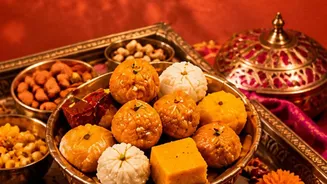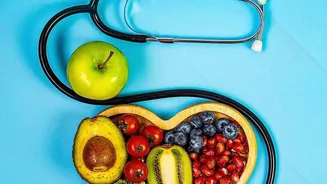




The joyous days of Diwali, filled with sweets, snacks, and celebration, can leave us feeling sluggish and overindulged. Getting back on track is not about punishment, but a gentle reset for your body, especially your heart.
Why a Post-Festive Reset Matters for Your Heart
Diwali feasts are often rich
in sugar, salt, and unhealthy fats. While occasional indulgence is part of life, a sustained period of such eating can affect blood pressure, cholesterol, and blood sugar levels, putting extra strain on the cardiovascular system. A cardiologist’s advice is clear: a thoughtful return to a balanced routine is crucial for heart health. It's not about a dramatic 'detox', but about supporting your body’s natural processes to recover and restore balance. The goal is to counteract the effects of festive overeating and get back to habits that protect your long-term well-being.
Hydration: The First and Easiest Step
Before you change what you eat, focus on what you drink. Rehydrating is the simplest way to start feeling better. Festive foods and drinks can often lead to dehydration, which your body can mistake for hunger. Aim to drink plenty of water throughout the day. This helps flush out toxins, aids digestion, and restores your body's fluid balance. You can also include other hydrating, low-sugar options like coconut water, buttermilk, and herbal teas. Starting your day with a glass of water is a simple habit that can make a big difference.
The Plate Method: Mastering Portion Control
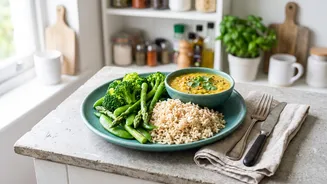
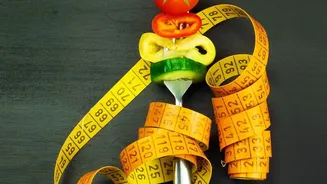
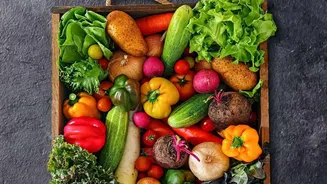
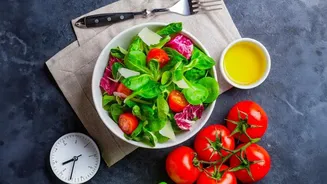
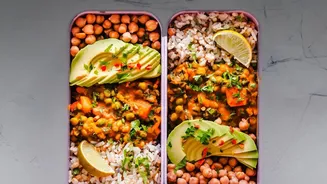
You don't need to starve yourself or eat bland food. The key is portion control. A simple and effective strategy is the 'plate method'. Fill half of your plate with non-starchy vegetables like leafy greens, cucumber, carrots, and broccoli. These are high in fibre and nutrients. Dedicate one quarter of the plate to lean protein—think dal, paneer, sprouts, eggs, or grilled fish. The final quarter should be for whole-grain carbohydrates, such as one or two rotis or a small bowl of brown rice. Using a smaller plate can also psychologically help you feel satisfied with less food.
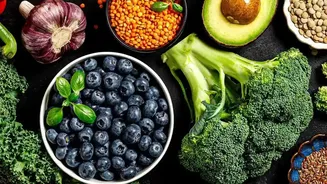
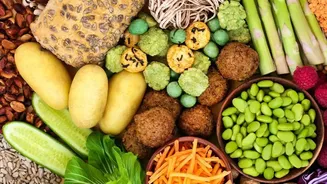
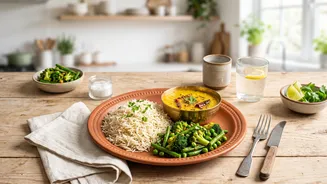
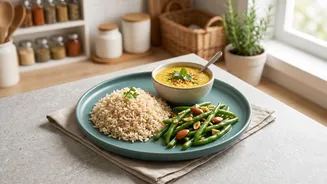
Focus on bringing whole, unprocessed foods back into your diet. Opt for light, home cooked meals that are easy to digest, such as khichdi, dal rice, or vegetable dalia. Increase your fibre intake by including plenty of seasonal fruits and vegetables. Fibre helps improve digestion and keeps you feeling full longer, which can curb cravings for leftover sweets. Include protein in every meal to help stabilize blood sugar and maintain energy levels. Good sources include lentils, chickpeas, yoghurt, and paneer. For snacks, swap the fried namkeen for roasted makhana, a handful of nuts, or fresh fruit.
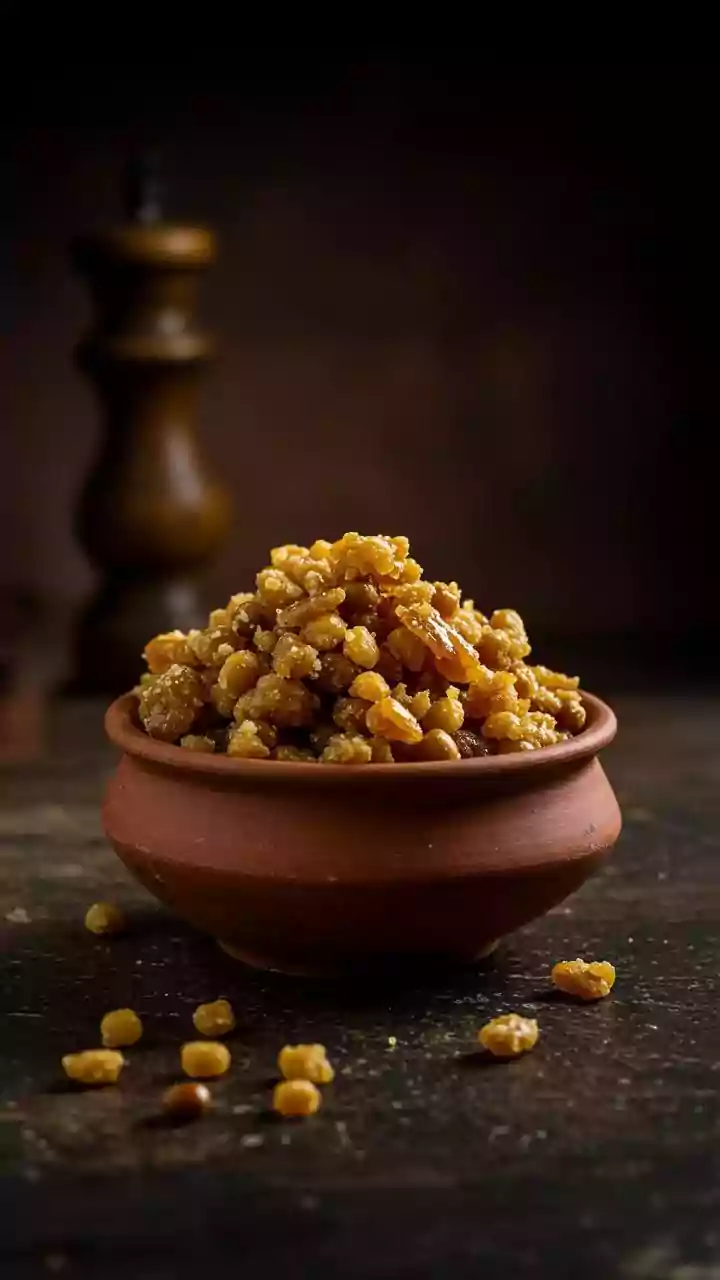
For a few days following the festival , it is wise to consciously reduce your intake of certain items . This includes leftover sweets , deep fried snacks , and sugary drinks , which can prolong feelings of bloating and discomfort . Foods prepared with excess ghee , butter , and cream should also be limited . The goal isn t being to ban these foods forever but to give your digestive system a break . Also , try to avoid eating large meals late at night , as this can disrupt sleep and digestion . Returning to a regular meal schedule and avoiding skipping meals is crucial , as extreme hunger can lead to overeating later .
Diet is only one part of the equation . Physical activity is a fantastic way to boost your metabolism and mood . You don t need to jump into an intense workout routine immediately . Start with gentle activities , like a brisk 20 -30 minute walk each day . A short walk after a meal can be particularly beneficial for digestion and managing blood sugar levels . The key is consistency . Easing back into a regular exercise routine helps your body recover from the festive period and supports your overall heart health .