



Meet PRIMA, NASA's Next Great Observatory
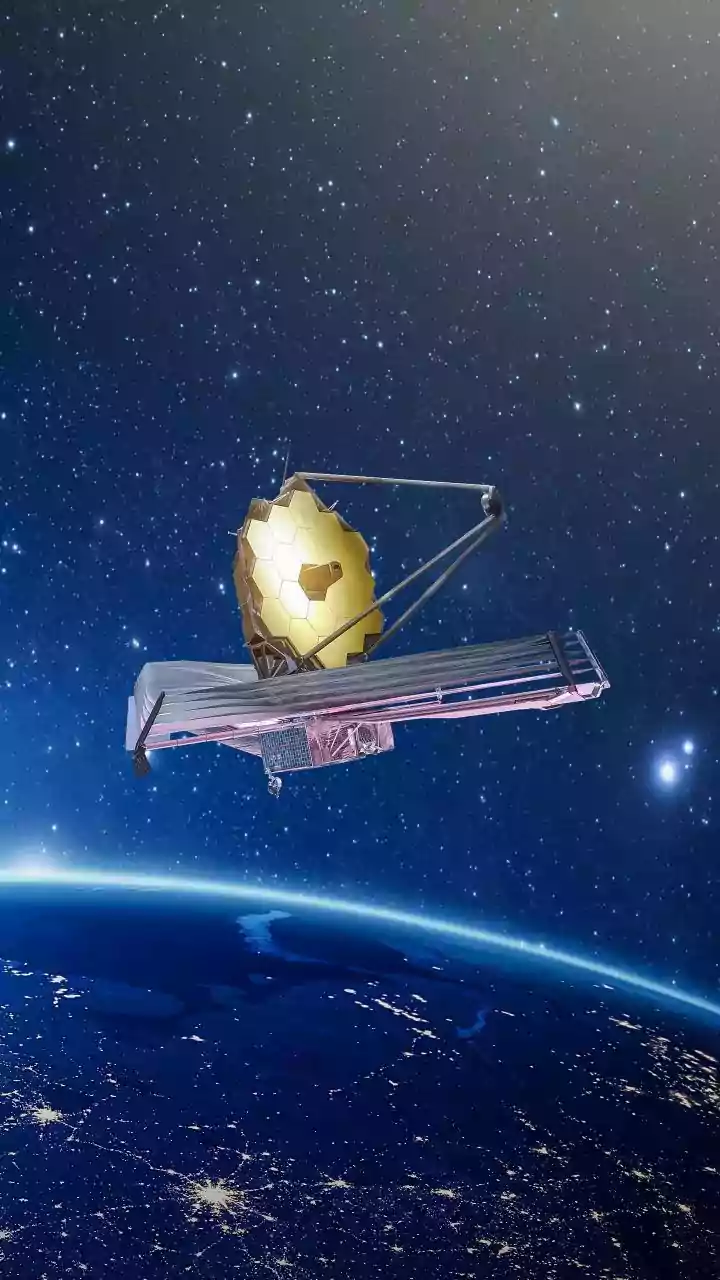
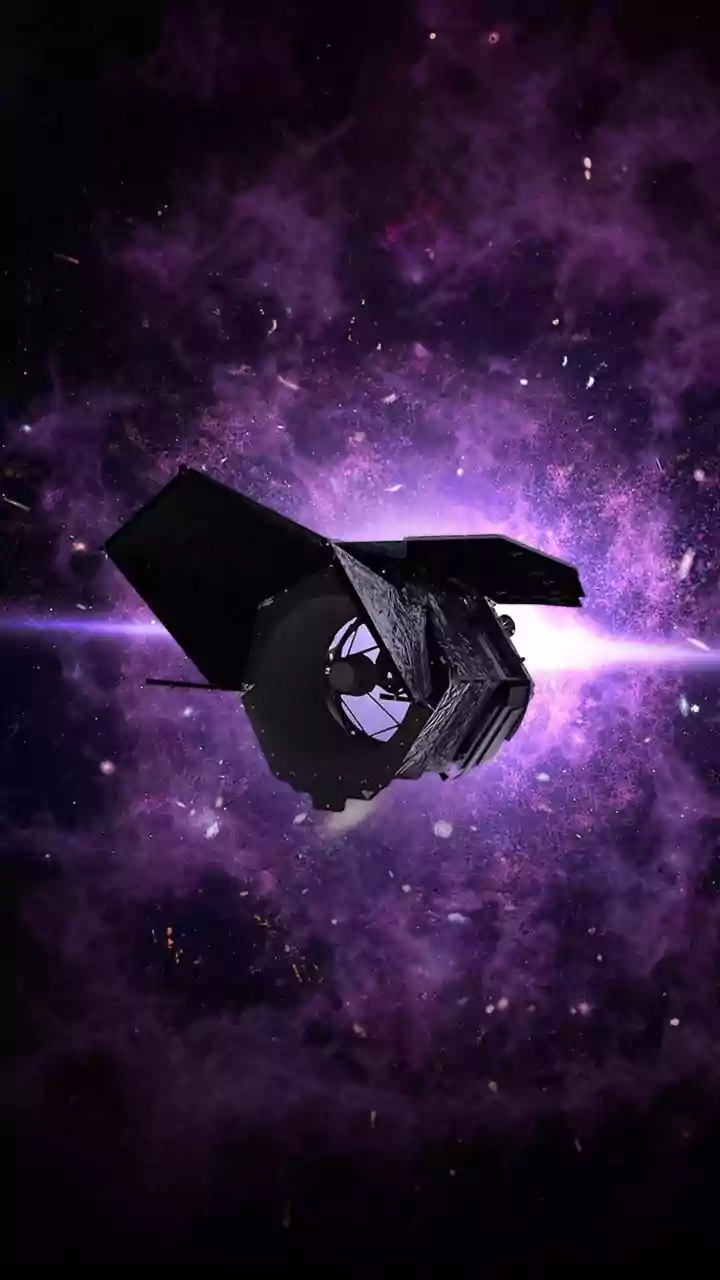
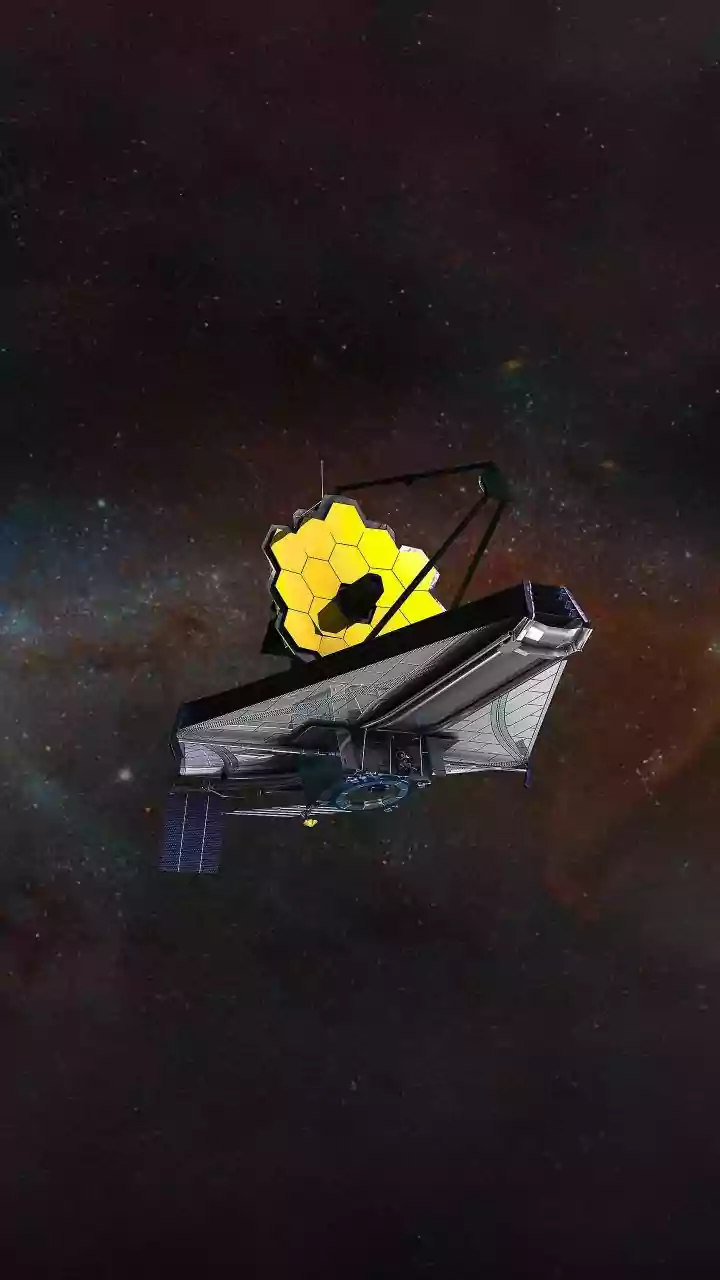
PRIMA, short for the Probe far-Infrared Mission for Astrophysics, is a new space telescope designed to see the universe in a way that other famous observatories, like the James Webb Space Telescope (JWST), cannot. While JWST is a master of near- and mid-infrared
light, PRIMA will focus on the far-infrared part of the spectrum. This allows it to peer through dense cosmic dust clouds to witness the very birth of stars and planetary systems. Think of it as having a new set of eyes that can see things that were previously hidden. The mission will be the first in NASA's new 'Probe Explorer' class, a category of mid-sized missions designed to tackle high-priority science without the massive cost of a flagship like JWST. With a projected cost of around $1.2 billion, PRIMA is a significant but more focused investment in uncovering cosmic secrets.
What Is Phase B, Anyway?
When NASA says a project has moved into 'Phase B,' it's a major vote of confidence, but it's not the final green light to start building. Think of a NASA mission like constructing a massive, complex building. Phase A is the initial concept and feasibility study—like an architect's first sketch. PRIMA just graduated from that. Now, in Phase B, the team gets down to the serious blueprinting. This stage, officially called 'Preliminary Design and Technology Completion,' involves finalizing the engineering designs, maturing the necessary technology (like its advanced cryogenic coolers), and creating a detailed, reliable budget and schedule. It's the phase where the concept is turned into a concrete plan that can be reviewed for cost and technical readiness. It is a crucial step that moves the mission from a promising idea to a buildable project.
Unveiling a Hidden Universe
The scientific goals for PRIMA are ambitious and aim to answer some of the biggest questions in astronomy. By observing in far-infrared light, the telescope will be able to map the distribution of water vapor in newly forming solar systems, providing clues about how Earth got its water. It will also study the growth of galaxies and the supermassive black holes at their centers, processes that are often shrouded in dust. Scientists are particularly excited because PRIMA will fill an observational gap left by the retirement of the European Space Agency's Herschel Space Observatory and NASA's own Spitzer Space Telescope. One expert noted that some of the key questions about planet formation simply cannot be answered with JWST, because the necessary signals only appear in the far-infrared wavelengths PRIMA is designed to see.
The Long Road to 2033
Advancing to Phase B is a milestone, but the journey to launch is still long. The PRIMA team will spend the next couple of years refining its designs and proving its technology. At the end of Phase B, the mission will face a critical 'confirmation review.' This is the ultimate test where NASA managers will scrutinize the project's technical plans, schedule, and budget. If it passes this review, PRIMA will be officially confirmed and move into Phase C—the final design and fabrication stage where construction begins. From there, it will proceed to Phase D (assembly and testing) before its targeted launch in 2033. This methodical, phased approach ensures that taxpayer money is spent wisely and that the complex spacecraft has the highest possible chance of success when it finally reaches space.