





Kyoto During Cherry Blossom Season
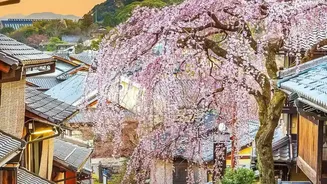
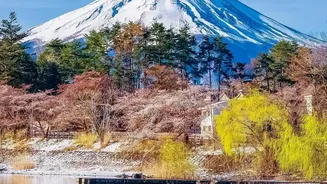
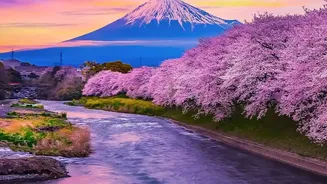
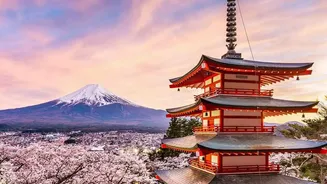
From late March to early April, Kyoto transforms into a magical landscape of pale pink cherry blossoms. This is also when the city is at its absolute busiest, with crowds descending upon popular spots like the Philosopher's Path, Kiyomizu-dera Temple,
and Arashiyama Bamboo Grove. Expect packed trains, long queues for everything, and fully booked hotels. The fleeting beauty of the sakura is a cultural phenomenon, but the crowds can make it a stressful experience. To avoid the crush, try visiting temples early in the morning, right as they open. For a similar traditional atmosphere with beautiful scenery and fewer people, consider Kanazawa. Known as 'little Kyoto,' it boasts beautifully preserved geisha districts, a stunning landscape garden called Kenrokuen, and its own share of samurai history. Alternatively, Takayama, a charming city in the mountainous Hida region, offers historic streets and a more tranquil pace.
Mount Fuji During Climbing Season
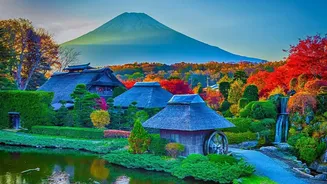
Climbing Japan’s tallest and most iconic peak is a bucket-list item for many. However, the official climbing season is very short, typically lasting only from early July to early September. This narrow window, especially during school holidays in late July and August, leads to extreme congestion on the trails. At peak times, climbers can find themselves standing in literal queues on the mountain paths, particularly at night while heading for the summit to see the sunrise. This practice, known as 'bullet climbing,' is tiring and increases safety risks. If you're looking for a challenging mountain hike without the traffic jam, the Japanese Alps offer numerous spectacular alternatives. Consider a trek in Kamikochi, a stunning highland valley with pristine rivers and trails for all skill levels. For those set on seeing Fuji, consider visiting the Fuji Five Lakes region, such as Lake Kawaguchiko. You can enjoy breathtaking views of the mountain from a comfortable distance, with plenty of other activities like hiking, boating, and onsen.
Hakone on Weekends and Holidays
As a popular and easily accessible hot spring resort from Tokyo, Hakone gets incredibly busy, especially on weekends and during national holidays like Golden Week. The famous 'Hakone Loop' of trains, cable cars, ropeways, and boats can involve long waits at every transfer point. While it offers a great combination of art museums, onsen, and views of Mount Fuji, the experience can be diluted by the sheer volume of fellow visitors. The roads also get highly congested, making travel slow and frustrating. For a more peaceful onsen escape, the Izu Peninsula to the south offers beautiful coastlines and numerous hot spring towns like Shuzenji. Another excellent option is Nikko, a UNESCO World Heritage site with stunning temples, shrines, and beautiful natural scenery, including lakes and waterfalls in the Oku-Nikko area. For those prioritizing hot springs, Kusatsu Onsen is a town that revolves entirely around its powerful thermal waters.
Tokyo's Hotspots Anytime
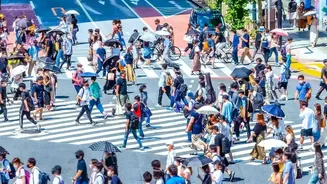
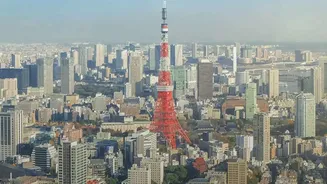
As one of the world's great megacities, Tokyo is perpetually bustling. However, certain districts have become so popular that they feel like a tourist attraction in themselves, leading to constant crowding. Areas like Shibuya Crossing, the streets around Senso-ji Temple in Asakusa, and the main thoroughfares of Shinjuku and Harajuku are almost always packed. While these places are a core part of the Tokyo experience, navigating them can be exhausting. To get a feel for urban Japanese life with more breathing room, explore some of Tokyo's other vibrant neighborhoods. Consider Shimokitazawa for its vintage shops and hipster vibe, Yanaka for a glimpse of old-world Tokyo, or Kichijoji for its cool shops and beautiful Inokashira Park. For a different major city experience altogether, consider making Fukuoka on the island of Kyushu your urban base. It offers fantastic food, modern city life, and easy access to nature without the intense crowds of the Tokyo-Kyoto 'Golden Route.'
Sapporo During the Snow Festival
Every February, the Sapporo Snow Festival attracts over two million visitors to see enormous and intricate sculptures made of snow and ice. While spectacular, this week-long event means flights and hotels are booked solid months in advance, and prices skyrocket. The main festival sites can be extremely crowded, making it hard to move around freely or get a good view of the displays. If you want a magical winter experience in Hokkaido, there are other wonderful, less-crowded festivals. The Otaru Snow Light Path Festival, held around the same time, illuminates the town's charming canal with thousands of candles, creating a quieter, more romantic atmosphere. The Asahikawa Winter Festival is another great choice, featuring one of the largest snow sculptures in the world but with a more local, relaxed feel. For a different kind of winter wonder, the 'snow monsters' (rime-covered trees) of Mount Zao in Yamagata Prefecture offer a unique and otherworldly sight.