




The Myth of Invincibility
Fermentation is one of the oldest forms of food preservation, using beneficial microbes to create an acidic environment that inhibits many harmful bacteria. However, this doesn't make fermented foods indestructible. Factors like improper temperature,
contamination from unclean utensils, or exposure to air can create conditions where undesirable bacteria, yeasts, and moulds thrive. While the good bacteria provide a line of defence, they can be overwhelmed, leading to spoilage or even the growth of dangerous pathogens like Listeria, Salmonella, or Clostridium botulinum in improperly handled foods. The key is to remember that these foods are biologically active and must be treated with care from production to consumption.
Dairy Ferments: Yoghurt, Dahi, and Kefir
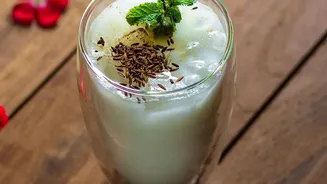
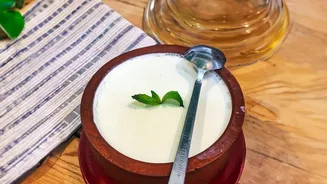
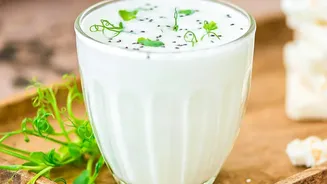
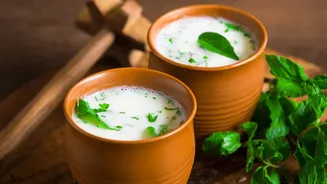
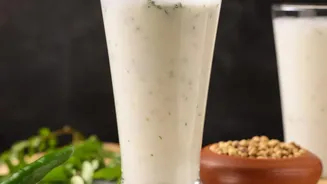
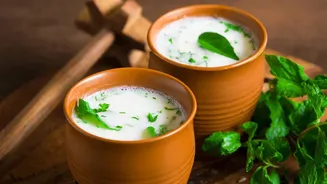
Fermented dairy products are staples in many Indian households. To keep them safe, temperature control is paramount. These items should always be stored in the refrigerator at temperatures between 0°C and 4°C. This slows down the metabolic activity of the live cultures, preventing the product from becoming overly sour and inhibiting the growth of spoilage microbes. Always use a clean spoon to serve yoghurt or kefir, as introducing foreign bacteria from a used utensil can accelerate spoilage. Once opened, ensure the container is sealed tightly. Signs of spoilage in dairy ferments include a strange or rotten odour, visible mould (which can be green, blue, or pink), or an unusually slimy texture.
Plant-Based Ferments: Kimchi and Sauerkraut
Vegetable ferments like kimchi and sauerkraut are preserved using salt, which creates a brine that controls microbial growth. For long-term storage after the initial fermentation period, these products should be kept in the refrigerator. This slows the fermentation process, preserving the desired flavour and crisp texture for months. A crucial rule is to keep the vegetables fully submerged beneath the brine; any pieces exposed to air are prone to developing mould. Using a clean, non-metal utensil is also important, as metals can react with the acidic brine and affect the taste. While a thin, white film known as kahm yeast is generally harmless, any fuzzy, colourful mould is a definite sign of spoilage, and the batch should be discarded.
Fermented Drinks: The Kombucha Case
Kombucha, a fermented tea, has its own unique storage needs. Once it has reached your preferred level of fizz and flavour, it must be refrigerated in an airtight bottle. Refrigeration is not just for taste; it is a critical safety step that halts the fermentation process. If left at room temperature, the yeast and bacteria will continue to convert sugar into carbon dioxide and alcohol, which can lead to over-carbonation (creating a risk of bottles exploding) and an increase in alcohol content. For homemade kombucha, proper sanitation of bottles and equipment is essential to prevent contamination. Do not consume kombucha that has developed fuzzy mould on its SCOBY (the symbiotic culture of bacteria and yeast) or has a foul, rotten smell.
Trust Your Senses: Spotting Spoilage
The most reliable tools for judging the safety of your fermented foods are your own senses. While some changes in aroma and texture are normal, there are clear red flags. Discard any product that has a rotten, foul, or garbage-like smell instead of its characteristic tangy or sour aroma. Visually inspect for fuzzy mould in colours like green, black, blue, or pink. An unusual slimy texture is another sign that harmful bacteria may be present. Finally, if a container's lid is bulging, it could indicate excessive gas production from spoilage microbes, and the product should not be consumed. When in doubt, it is always safest to throw it out.