





The Botanical Botox Buzz
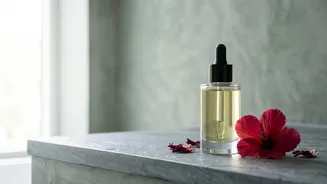
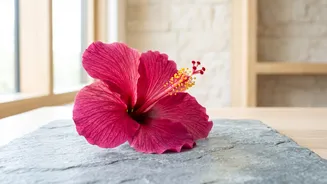
Scroll through any beauty blog or social media feed, and you’ll likely see hibiscus touted as a revolutionary anti-aging ingredient. The claims are bold: that it firms and lifts the skin, smooths wrinkles, and offers results comparable to cosmetic injections.
This has earned it the popular nickname, 'the Botox plant'. The marketing narrative suggests that incorporating this single botanical into your routine can dramatically turn back the clock. Brands point to its natural properties as a safe, plant-based alternative to more invasive procedures, promising a rejuvenated, youthful glow without the need for needles. This potent branding has driven a surge in its popularity, leaving many consumers wondering if they’ve found a holy grail ingredient.
A History Steeped in Tradition
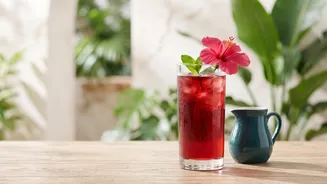
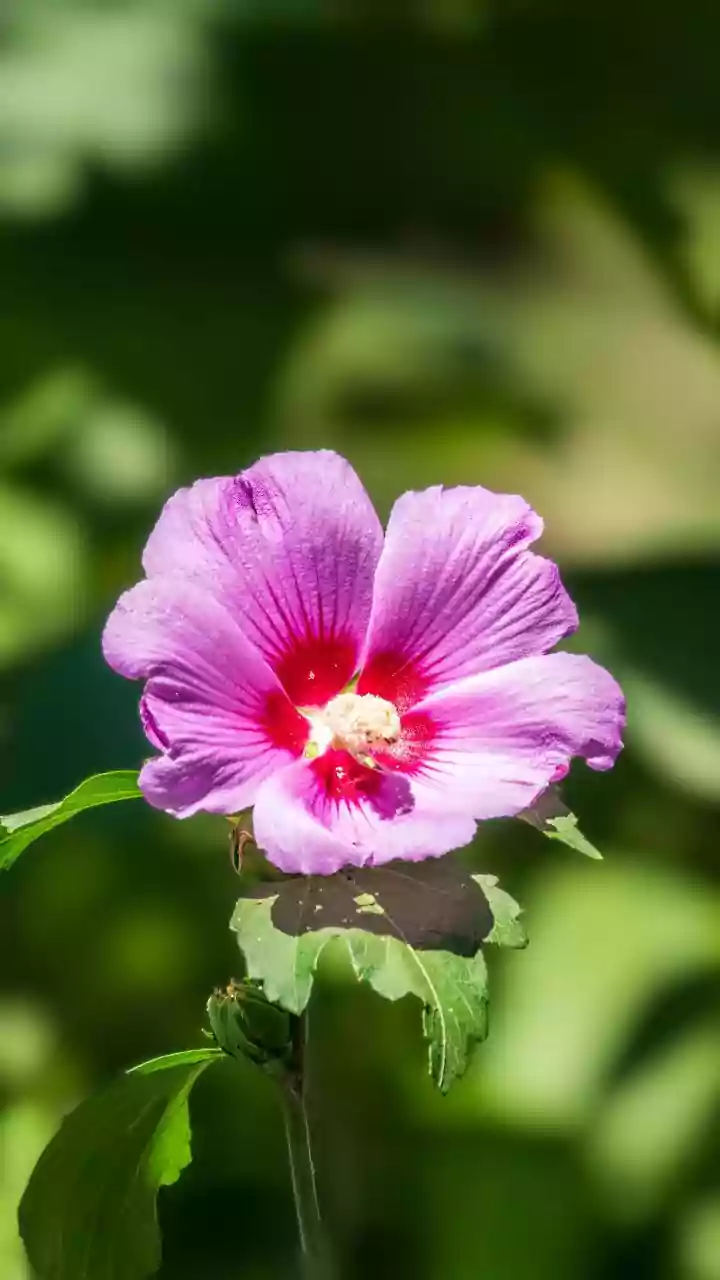
Long before it appeared in glossy jars on department store shelves, hibiscus was a cornerstone of traditional wellness and beauty practices across the globe. Particularly in Africa and Asia, Hibiscus sabdariffa (the species most commonly used) was brewed into teas and used in herbal remedies for centuries. In West Africa, for example, it has been a key part of beauty rituals for its perceived ability to enhance skin radiance and strengthen hair. These traditional applications were based on generations of observational knowledge, recognizing the plant's soothing and beautifying properties. It was used in everything from herbal steams to infusions for promoting a healthy complexion, forming the cultural and historical foundation for its current exploration in modern skincare.
What Science Actually Says
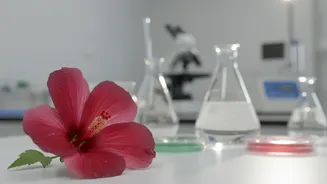
When we move from tradition to the laboratory, the picture becomes more nuanced. Scientific research does support several of the claims, just not the 'miracle' ones. Hibiscus is rich in antioxidants, particularly anthocyanins, which help protect the skin from damage caused by environmental stressors like UV rays and pollution. It also contains natural alpha-hydroxy acids (AHAs) like citric and malic acid. These acids provide gentle exfoliation, helping to remove dead skin cells, brighten the complexion, and improve skin texture over time. Furthermore, the plant has a high mucilage content—a gel-like substance that is excellent for hydrating the skin and locking in moisture, giving it a plumper, more supple feel. So, while not magic, it is a legitimate multi-tasking ingredient with real, scientifically-backed benefits.
Decoding the Latest Research
The 'news peg' mentioned in the headline points to an expanding body of research. Recent studies have aimed to validate hibiscus's anti-aging potential more concretely. For instance, a notable 2022 study highlighted that hibiscus extract could stimulate the production of both collagen and hyaluronic acid in skin cells in a lab setting. The same study identified hibiscus acid as a key component with strong anti-oxidative stress effects. Other research has focused on the flower's ability to inhibit the activity of elastase, an enzyme that breaks down elastin, the protein that keeps our skin firm and able to 'snap back'. By slowing this breakdown process, hibiscus can help maintain skin's firmness. This latest wave of research confirms that hibiscus is more than just a marketing story; its compounds actively work within the skin. However, these studies also show that the effects are cumulative and supportive, not instantaneous and transformative.
The 'Natural Botox' Myth
Here is where we must separate fact from fiction. The term 'Botox plant' is effective marketing, but it's misleading. Injectable botulinum toxin works by temporarily paralyzing facial muscles to prevent the formation of dynamic wrinkles. Hibiscus does not and cannot do this. Its mechanism is entirely different. Instead of freezing muscles, it works on the surface and within the skin's structure by exfoliating, hydrating, providing antioxidant protection, and most importantly, helping to preserve the skin's natural elastin. The nickname arises from its ability to improve skin firmness and smooth the appearance of fine lines over time, which gives a 'fresher' look that some compare to the effects of Botox. It's a supportive ingredient that helps maintain skin health, not a direct replacement for a medical procedure.
How to Be a Savvy Consumer
If you're interested in trying hibiscus, look beyond the hype on the front of the bottle. Check the ingredient list to see where Hibiscus Sabdariffa Flower Extract falls; the higher up the list, the higher the concentration. Remember that formulation is key—the benefits of hibiscus will be enhanced when paired with other supportive ingredients like vitamin C, hyaluronic acid, or nourishing oils. Be realistic about the results. Hibiscus can lead to brighter, smoother, and more hydrated skin with consistent use, but it won't erase deep-set wrinkles overnight. Think of it as a valuable player in a comprehensive skincare routine focused on long-term skin health, rather than an instant fix.