






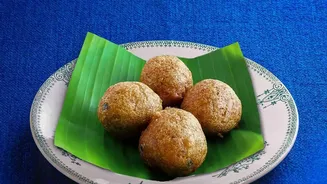
The Foundation: Perfecting Hung Curd
The soul of any dahi kebab is, unsurprisingly, the dahi itself. But not just any curd will do; it must be hung curd. This is a non-negotiable step. The process involves straining regular curd, typically in a muslin cloth, for several hours or even overnight
to drain away all the excess whey. This transforms the yogurt into a thick, creamy mass with a consistency similar to cream cheese. The primary reason for this is to remove as much water as possible. Any excess moisture in the kebab mixture will cause it to fall apart during frying and soak up oil, leading to a soggy, greasy result instead of a crisp one. For the best flavour, it's crucial to start with fresh, thick curd that isn't sour, as any tanginess will dominate the final taste.
Paneer: The Essential Binding Agent
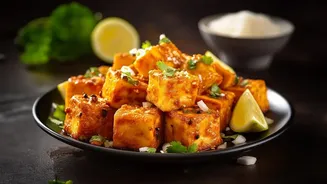
While hung curd provides the creamy texture and primary flavour, it's too delicate on its own. This is where paneer comes in as an essential structural ingredient. Many recipes include grated paneer not just for added richness but to act as a binder, giving the kebabs the body they need to hold their shape. Without a binding agent like paneer or sometimes roasted gram flour (besan), the kebabs would be difficult to form and would likely disintegrate in the pan. The paneer helps balance the moistness of the curd and contributes to the soft, melt-in-your-mouth texture of the interior. For best results, use firm, crumbled or grated homemade or store-bought paneer. The combination of thick hung curd and paneer creates a base that is both flavourful and stable.
A Symphony of Spices and Aromatics
With the core structure in place, the next layer is flavour. Dahi kebabs are delicately spiced, designed to complement the tangy curd rather than overpower it. The common supporting cast includes finely chopped aromatics like ginger, green chillies, and onions, along with fresh coriander. For spices, a subtle blend of roasted cumin powder, garam masala, and black pepper is often used to add warmth and depth. Some recipes also incorporate chopped nuts like cashews to introduce a surprising textural crunch within the soft patty. The key is balance; the mixture should be fragrant and savoury, but the creamy taste of the yogurt should still be the star.
The Gentle Art of Frying
The final, and perhaps most crucial, step is the cooking. Dahi kebabs are incredibly delicate and require careful handling. Aggressive deep-frying can cause them to break apart, while too high a heat will brown the outside before the inside is properly warmed. The ideal method is a gentle shallow fry in a moderate amount of oil or ghee over medium to low heat. Place the shaped patties gently into the hot oil and, most importantly, do not disturb them for the first few minutes. This allows a stable crust to form. Once the bottom is a firm golden-brown, carefully flip them and cook the other side. Some cooks even recommend refrigerating the shaped patties for about 30 minutes before frying to help them firm up and hold their shape better during cooking.