



Nestled in India's northeast, Assam is a world-renowned biodiversity hotspot. Its national parks, fed by the Brahmaputra River, offer a sanctuary for iconic wildlife, inviting adventurers to explore its lush landscapes on guided safaris.
Kaziranga: The Land of the One-Horned Rhino
No journey into
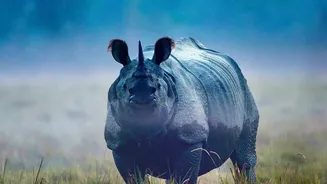
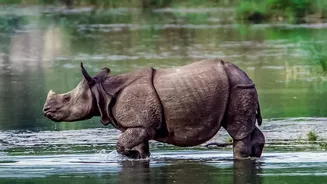
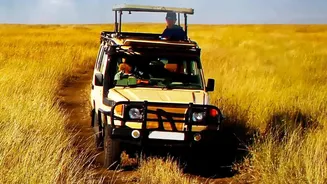
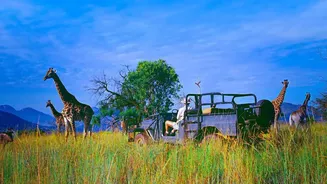
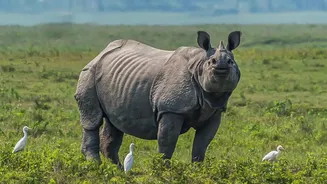
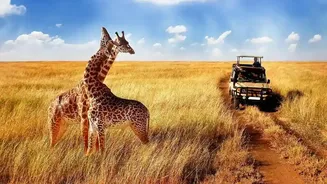
Assam's wilderness is complete without visiting Kaziranga National Park, a UNESCO World Heritage Site that hosts two-thirds of the world's great one-horned rhinoceros population. This iconic park is a mosaic of tall elephant grass, marshland, and dense tropical forests, providing a rich habitat for a variety of species. To manage tourism and protect the ecosystem, the park is divided into distinct safari zones, each offering a unique glimpse into this wild domain. Jeep safaris are available across all zones, while the classic elephant-back safaris are traditionally offered in the Central and Western Ranges. It's advisable to book safaris in advance, especially during the peak season from November to April.
Navigating Kaziranga's Approved Routes
The park's approved routes ensure both visitor safety and minimal disturbance to wildlife. The Central Range (Kohora) is the most popular, offering classic grassland views and frequent rhino sightings. The Western Range (Bagori) is another prime area for rhino and wild water buffalo, known for its beautiful landscape perfect for photography. For birdwatchers, the Eastern Range (Agaratoli) is a paradise with its vast wetlands attracting a plethora of bird species. The Burapahar Range, with its hilly terrain and dense forests, offers a different experience, where you might spot the Hoolock Gibbon. Each zone has a designated entry point and safari timings, typically in the morning and afternoon.
Manas National Park: A Himalayan Foothill Treasure
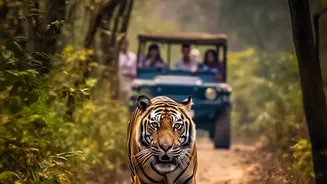
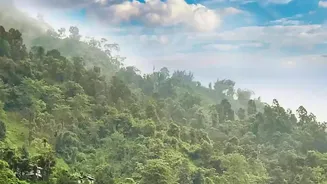
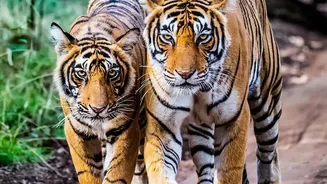
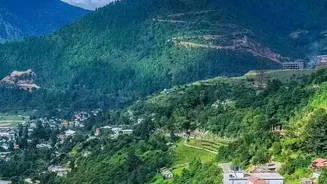
Another UNESCO World Heritage Site, Manas National Park is situated in the Himalayan foothills, sharing a border with Bhutan. It's celebrated for its stunning scenic beauty, combining dense forests, riverine ecosystems, and grassy plains. Manas is a critical habitat for the endangered golden langur, pygmy hog, and is also a designated tiger reserve. The park is divided into three main ranges for safari access: Bansbari (central), Bhuyanpara (eastern), and Panbari (western). Bansbari is the most visited, serving as the gateway to the famous Mathanguri viewpoint on the Bhutan border. Unlike the vast open grasslands of Kaziranga, Manas offers a wilder, more serene experience with fewer crowds.
Beyond the Big Two: Nameri and Pobitora
For a different kind of adventure, Nameri National Park offers a unique experience. Located at the foothills of Arunachal Pradesh, its safaris are not by jeep but through guided forest walks and river rafting on the Jia Bhoroli River. This makes it a fantastic destination for birdwatching, with over 370 recorded species, including the rare white-winged wood duck. Closer to Guwahati, Pobitora Wildlife Sanctuary is often called 'Mini Kaziranga' due to its incredibly high density of one-horned rhinos. Its smaller size allows for excellent wildlife viewing opportunities on both jeep and elephant safaris, making it a great option for those with limited time.
Planning Your Assam Safari Adventure
The best time to visit Assam's national parks is between November and April. During these dry, pleasant months, wildlife sightings are more frequent and all safari routes are accessible. Most parks remain closed from May to October due to the heavy monsoon rains and flooding of the Brahmaputra River. Safaris are generally conducted in two shifts: one in the early morning and another in the afternoon. Accommodation options range from government-run lodges to private eco-resorts and homestays, catering to various budgets. Booking your safaris and accommodation well in advance is highly recommended, as slots, particularly for elephant safaris, are limited and fill up quickly.