




A Promise to the Purists
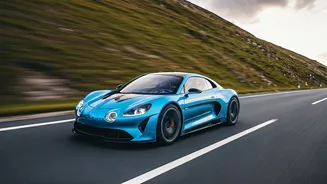
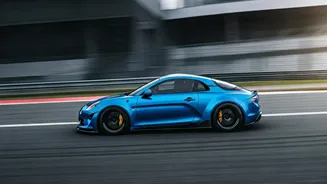
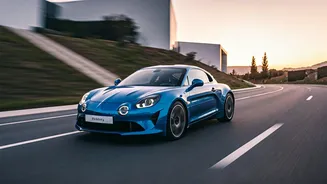
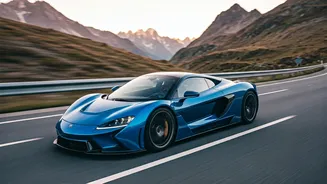
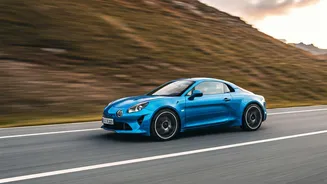
In a move that sends a clear message to enthusiasts, Alpine has confirmed its next-generation A110 will be a fully electric sports car that retains the classic rear-wheel-drive (RWD) layout. This isn't just a minor technical detail; it's a statement of
intent. The decision directly addresses a core concern among sports car fans: that the instant torque and easy traction of all-wheel drive (AWD) would make it the default for all future performance EVs, potentially erasing the playful, engaging character that defines RWD cars. By sticking with RWD, Alpine is betting that the soul of a sports car lies in its dynamic feel, not just its outright acceleration figures. This commitment comes as the final internal-combustion A110 rolled off the production line in early July 2026, marking a definitive pivot towards an electric future built on the brand's historic principles.
The Challenge of an Electric RWD Sports Car
Opting for RWD in a performance EV is the path of greater resistance, which makes Alpine's decision all the more significant. Most high-performance electric cars use dual-motor AWD systems because they make managing the immense, instantaneous torque of electric motors much simpler. Putting all that power through just the rear wheels without it becoming an uncontrollable handful requires sophisticated engineering. Furthermore, the weight and placement of batteries are critical. A single, large battery pack under the floor, common in many EVs, can raise the car's center of gravity and seating position, compromising the low-slung sports car feel. Alpine's solution is a bespoke architecture designed specifically to overcome these challenges and preserve the handling DNA that made the modern A110 a critical darling.
An All-New Platform for the Future
The foundation for this new chapter is the Alpine Performance Platform (APP), an advanced, lightweight aluminum architecture developed entirely in-house. A key innovation is its use of a 'split-pack' battery system. Instead of a single flat slab, the new A110 will use two separate battery modules—one at the front and one at the rear. This clever layout allows Alpine's engineers to achieve a near-perfect weight distribution of 40:60, biased towards the rear, mimicking the balance of a traditional mid-engine car. It also allows the driver to sit low in the chassis, maintaining that crucial sports car connection to the road. The platform will feature two rear-mounted motors and a sophisticated torque vectoring system to precisely manage power delivery, ensuring the electric A110 is as agile and communicative as its petrol-powered predecessor.
Defending the Driving Experience
The current-generation A110 was universally praised for its exceptional balance, lightness, and the pure joy it delivered to the driver—qualities intrinsically linked to its rear-wheel-drive, mid-engine layout. By committing to RWD for its electric successor, Alpine is doubling down on this philosophy. The company is signalling that it understands its customers aren't just buying a fast car; they're buying an experience. In an industry increasingly focused on autonomous features and in-car infotainment, Alpine is carving out a niche as the defender of driver engagement. The choice suggests the brand believes there will always be a market for cars that prioritize feel, balance, and the simple pleasure of navigating a challenging road.
A Glimpse at the Goodwood Festival of Speed
Enthusiasts will get their first look at this new direction at the 2026 Goodwood Festival of Speed. Alpine is set to debut a development prototype named the 'A110 Future', which will run up the famous hill climb. While it will be a test mule, it will showcase the underlying technology of the new APP platform and give the world a tangible sense of how Alpine plans to translate its lightweight, agile formula into the electric age. With its main rival, the Porsche 718 Cayman, also transitioning to an EV, Alpine's bold, purist-focused approach with the new A110 could set the benchmark for what an electric sports car can and should be.