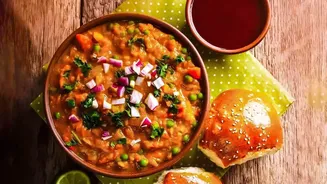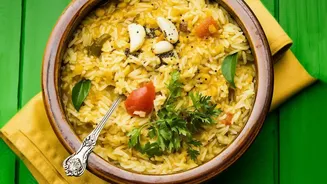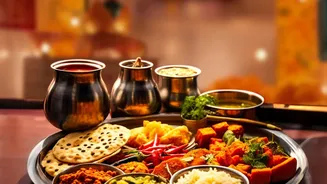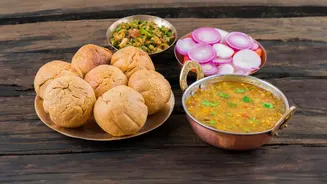




Khichdi: The Ultimate Comfort Food
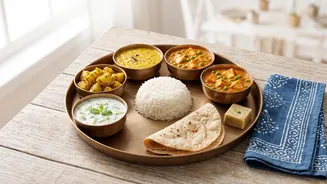
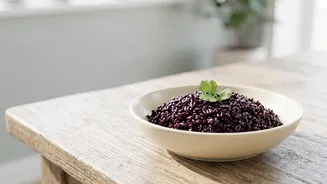
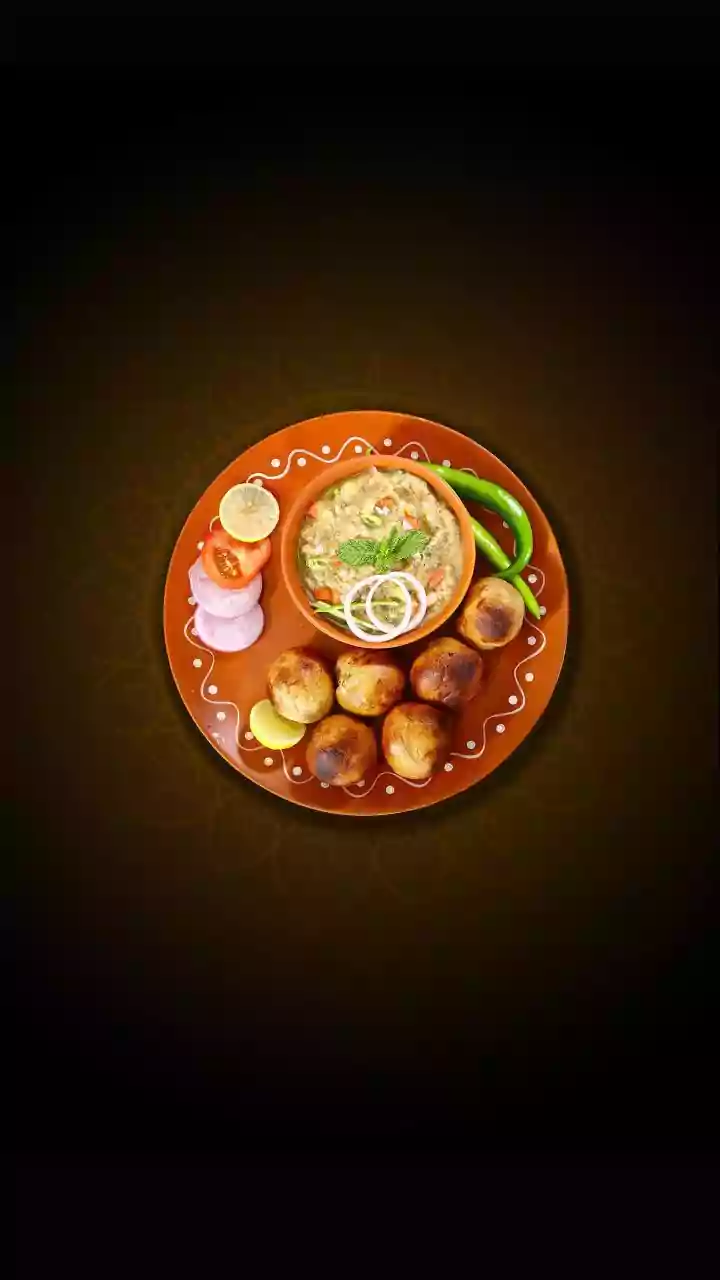
Khichdi is perhaps the food most famously associated with PM Modi. This humble, one-pot dish of rice and lentils is a cornerstone of Indian home cooking, known for being light, easy to digest, and incredibly nutritious. It provides a balanced mix of carbohydrates
and protein, making it a complete meal. Often recommended during illness or for a light dinner, Khichdi is the quintessential comfort food that is both nourishing and simple. Reports suggest it's a regular feature in the Prime Minister's diet, especially for his evening meal, reflecting his preference for light and sattvic food.
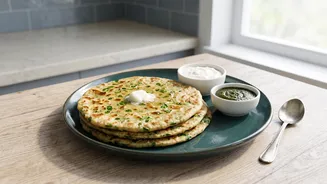
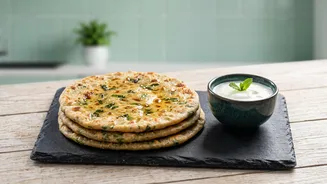
Moringa Paratha: A Nutrient-Packed Flatbread
In a 'Fit India Dialogue', PM Modi himself mentioned his fondness for parathas made from moringa, or drumstick leaves. This revelation brought significant attention to the 'miracle tree'. Moringa leaves are a powerhouse of nutrients, packed with vitamins, minerals, and antioxidants that help boost immunity and protect the body from oxidative stress. They are also rich in fibre, which aids digestion. By incorporating these leaves into a traditional whole wheat paratha, a simple staple is transformed into a superfood, showcasing a practical way to integrate potent greens into a daily diet.
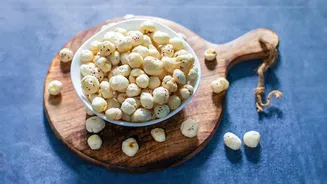
Makhana: The Healthy, Crunchy Snack
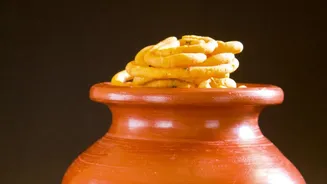
Makhana, or fox nuts, are another traditional food that has gained prominence, partly due to their association with the PM's snacking habits. In one instance, he reportedly mentioned eating makhana on most days of the year. These puffed lotus seeds are light, crunchy, low in calories, and a good source of protein and essential minerals like calcium and magnesium. Typically roasted with a pinch of salt or spices, they serve as a wholesome alternative to processed snacks, aligning with a diet focused on minimally processed, nutrient-dense foods.
Poha: A Light and Wholesome Breakfast
Poha, or flattened rice, is a beloved breakfast dish across many parts of India and another food reportedly favored by the Prime Minister. It's quick to prepare, light on the stomach, and provides sustained energy. The preparation typically involves tempering the rehydrated rice flakes with mustard seeds, turmeric, onions, and sometimes peanuts or vegetables. Turmeric, a key ingredient, is itself a powerful anti-inflammatory and antioxidant, frequently championed by PM Modi for its health benefits. Poha represents the simplicity and regional diversity of Indian vegetarian cuisine.
Buttermilk: The Cooling Digestive
Known as 'Chaas' in Hindi, buttermilk is a traditional Indian beverage consumed for its cooling properties and digestive benefits. It is often mentioned as an accompaniment to PM Modi's meals. Made from yogurt and water, and often spiced with cumin, ginger, or mint, this probiotic drink helps soothe the digestive system, especially after a meal. Its inclusion in his diet underscores a reliance on traditional Ayurvedic principles, where maintaining good gut health is seen as fundamental to overall wellness. It’s a simple, natural way to aid digestion and stay hydrated.
Lemon Water: A Simple Morning Ritual
Many accounts of the Prime Minister's routine highlight a simple but consistent morning ritual: a glass of warm water with lemon. This practice is widely endorsed in wellness circles for its ability to help kick-start digestion, cleanse the system, and provide a dose of Vitamin C. This habit is especially noted during his famous Navratri fasts, where he has been known to subsist on little more than liquids for nine days. It’s a testament to a disciplined approach that values simple, natural practices for maintaining health and vitality.
Millets: The Endorsed Super-Grains
While not a single dish, PM Modi has been a vocal champion for the revival of millets, often referring to them as 'Shree Anna' or the 'mother of all grains'. His advocacy aligns with reports of his own consumption of these ancient grains. Millets like jowar, bajra, and ragi are naturally gluten-free, rich in fibre, and packed with nutrients. They are versatile and can be used to make everything from rotis and dosas to khichdi. His promotion of millets is part of a larger vision for a healthier, more sustainable food system in India, and it starts with personal dietary choices.