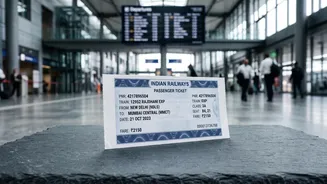







That little checkbox to add travel insurance when buying a train or flight ticket online is convenient. But before you click 'yes' for a few extra rupees, it's crucial to understand what you're actually getting and what's left out.
What is Counter Ticket Insurance?
Counter ticket insurance,
often called trip or ticket protection, is a low-cost insurance product offered directly by travel providers like IRCTC or airlines and booking websites when you purchase a ticket. For a very nominal fee—sometimes as low as 45 paise for a train ticket—passengers get a basic level of financial protection against specific unforeseen events during their journey. For example, the popular IRCTC travel insurance provides coverage for accidental death, disability, and hospitalisation expenses resulting from a train accident or other 'untoward incidents' during the journey. The main appeal is its convenience and affordability, providing a safety net for a small, one-time premium. It’s an easy way to get some peace of mind, especially for short or inexpensive trips.
The Fine Print: Common Exclusions
The low price of ticket insurance often means limited coverage. The policy document, which few people read, contains a list of exclusions that are critical to understand. One of the most significant is pre-existing medical conditions. If you have a known health issue like diabetes or heart disease, any medical claim related to that condition will likely be rejected. Similarly, injuries sustained while participating in adventure sports like paragliding or bungee jumping are typically not covered. Trip cancellations are another tricky area; the policy will only reimburse you for non-refundable costs if you cancel for a reason explicitly listed in the policy, such as a sudden illness or a family emergency. Changing your mind or cancelling due to a work commitment usually won't qualify. Acts of war and certain natural calamities may also be excluded.
Ticket Insurance vs. Comprehensive Travel Insurance
It's vital to know that ticket insurance is not the same as a comprehensive travel insurance plan. Ticket protection is a 'light' version, primarily focused on the journey itself and often with lower coverage limits. A comprehensive plan, while more expensive, offers much broader protection. It can cover not just your flight or train fare, but also other non-refundable expenses like hotel bookings and tours. Comprehensive policies usually offer higher sum insured for medical emergencies, baggage loss, passport loss, and trip interruptions. For a big international holiday or a trip with significant prepaid costs, a comprehensive plan provides a much wider safety net. In contrast, basic ticket insurance might be sufficient for a short, low-cost domestic trip where your main concern is the ticket fare itself.
The Claim Process: What You Need to Know
If you do need to make a claim, the process requires careful documentation. Insurers are strict about proof. For any claim, you will need to notify the insurance company as soon as possible, fill out the required forms, and provide all necessary documents. For a medical issue, this includes all hospital bills and doctor's reports. For baggage loss, you must immediately file a Property Irregularity Report (PIR) with the airline, as a claim is nearly impossible without it. For trip delays, you'll need written confirmation from the airline stating the reason and duration of the delay. With IRCTC insurance, it is crucial to fill in nominee details online after booking; otherwise, your legal heirs could face significant delays in receiving the payout. Keeping organised records of tickets, boarding passes, receipts, and official reports is essential for a smooth claim process.