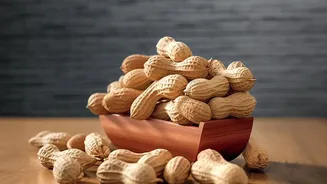






It's a warning many of us in India have heard since childhood: never drink water right after eating peanuts. But is this common food rule based on sound science or is it just a myth passed down through generations? Let's peel back the layers.
The Enduring Myth We All Heard
The belief
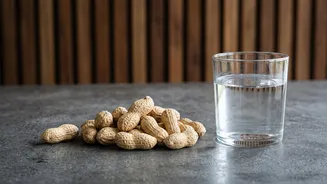
is simple and widespread. If you consume water immediately after eating peanuts, you will trigger a negative reaction, most commonly a severe cough or irritation in the throat. Some versions of the myth are more dramatic, suggesting it causes stomach cramps, indigestion, or even a toxic internal chemical reaction. This advice is often delivered with such certainty by elders that we rarely stop to question it. It becomes an ingrained habit, a food rule followed without a second thought. For many, the fear of that sudden, hacking cough is enough to make them wait a good 15 to 20 minutes before reaching for a glass of water, no matter how thirsty they are after enjoying a handful of salty, roasted peanuts.
The Scientific Reality: A Harmless Combination
Despite how persistent this belief is, there is no scientific evidence to support the claim that peanuts and water create a harmful digestive or respiratory reaction. Nutritionists and doctors widely agree that this is a myth. Our digestive system is a remarkably robust and complex environment, designed to handle a wide variety of food textures and combinations. The stomach's primary job is to break down food using powerful acids and enzymes. Water is a crucial part of this process, not an antagonist. It helps in the transportation of nutrients, softens stool to prevent constipation, and is fundamental to nearly every bodily function, including digestion. The idea that plain water could somehow react negatively with the natural oils or proteins in peanuts to create a harmful substance is not supported by our understanding of human biology.
So, Where Did This Myth Come From?
If it's not true, why do so many people believe it? The myth likely originates from a misunderstanding of a few different sensations. One plausible theory relates to the texture of peanuts. Peanuts are dry, and their oils can coat the throat. Drinking water might cause a tickling sensation or a cough as it rinses this oily residue away, which could be misinterpreted as a 'reaction'. Another possibility is simple discomfort from overeating. Peanuts are dense in calories, fat, and protein. Eating a large quantity and then filling your stomach with a lot of water can lead to a feeling of bloating and fullness. This isn't a chemical reaction, but simply a matter of volume. Finally, eating too quickly and trying to wash food down with water can present a choking hazard, especially for children. Over time, a sensible warning about eating carefully could have morphed into a blanket ban on the combination itself.
Water Actually Aids Peanut Digestion
Far from hindering the process, water is essential for digesting peanuts effectively. Peanuts are a good source of fibre, which is critical for healthy digestion. Fibre works best when it absorbs water, which helps to add bulk to stool and move it smoothly through the digestive tract. Dehydration can actually make digestion more difficult. When you eat peanuts, your body breaks down their fats, proteins, and carbohydrates. Water is involved in every step of this metabolic process. It helps enzymes function correctly and facilitates the absorption of vitamins and minerals from the food you eat. So, sipping water with your peanuts is not only safe, but it can also support the very digestive processes that the myth claims it disrupts. The key, as with anything, is moderation. Gulping down litres of water with any meal is not advisable.
Beware of Other Food Combination Myths
The peanut and water story is not alone; it belongs to a large family of food combination myths that circulate in India and around the world. Another famous example is the warning against eating fish and drinking milk together, which some believe causes skin diseases like vitiligo. This, too, has been debunked by medical science. Unless a person has a specific allergy to either fish or dairy, the combination is perfectly safe. Similarly, you might have been told not to eat fruits after a heavy meal. While some people might experience gas or bloating if they eat fruit on a very full stomach, it is not an inherently dangerous combination. These myths often stem from ancient dietary systems or anecdotal observations that have been passed down without scientific scrutiny. While respecting tradition is important, it's also wise to check the facts when it comes to your health and nutrition.